Lo mein noodles are the ultimate comfort food, providing a canvas for deep umami flavors and vibrant textures that rival any high-end takeout. When you think of the perfect bowl of noodles, you are likely envisioning a dish that is deeply caramelized, dripping in a viscous sauce, and packed with crisp-tender vegetables. This recipe delivers exactly that: a handheld smartphone-worthy meal that balances the sweetness of dark soy with the pungent kick of fresh garlic.
Whether you are looking for a quick weeknight dinner or a meal-prep staple, these lo mein noodles stand out because of their signature dark amber glaze. By mastering the balance of heat and timing, you can achieve those coveted charred edges on the bok choy while keeping the noodles perfectly al dente. If you’ve enjoyed our garlic butter pasta sauce, you will absolutely adore the aromatic intensity of this Asian-inspired glaze.
Why You Will Crave These Better-Than-Takeout Lo Mein Noodles
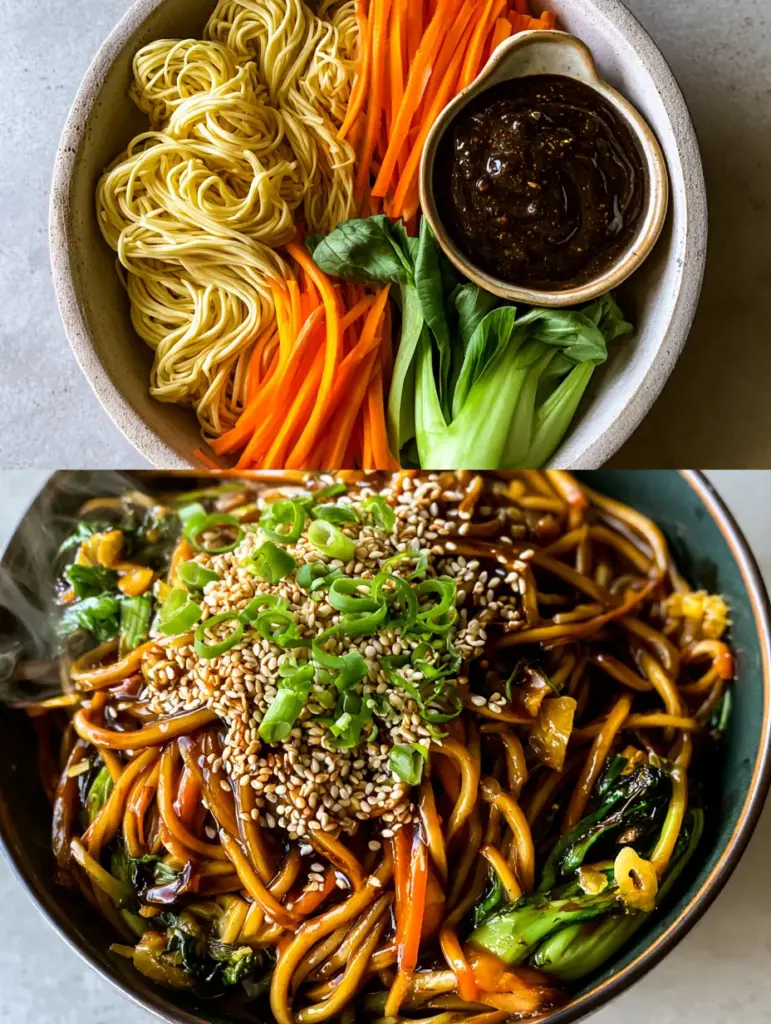
- Viscous Dark Amber Glaze: A thick, shimmering sauce that clings to every strand of the long egg noodles.
- Textural Contrast: Softened julienned carrots paired with the satisfying crunch of charred bok choy leaves.
- Aromatic Depth: A heavy infusion of minced golden sautéed garlic and toasted white sesame seeds.
- Professional Finish: A spray of bright green scallions adds a fresh, biting contrast to the rich, caramelized soy base.
The Blueprint: Essential Ingredients for the Perfect Glaze
Creating authentic lo mein noodles requires more than just boiling pasta. Each ingredient in this list serves a scientific and culinary purpose to ensure the final dish looks exactly like a professional food photograph.
Long Egg Noodles: You will need 12 oz (340g) of fresh or dried long egg noodles. These provide the essential yellow hue and chewy elasticity required to hold up against the heavy sauce. Much like the base for our three-cheese-pasta, the quality of the noodle determines the success of the dish.
Dark Soy Sauce: 2 tbsp (30ml). This is the secret to that “dark amber” look. Dark soy is thicker and less salty than light soy, providing the deep mahogany color and a hint of molasses sweetness.
Light Soy Sauce: 3 tbsp (45ml). This provides the primary salt content and savory backbone. If you are watching your sodium, a low-sodium version works perfectly here.
Sesame Oil: 1 tbsp (15ml). Toasted sesame oil adds a nutty aroma that is foundational to the scent profile of these lo mein noodles.
Aromatic Base: 4 large cloves of garlic, finely minced. We sauté these until they are just turning golden to ensure the flavor permeates the oil without becoming bitter.
Fresh Vegetables: 2 large carrots, julienned into thin matchsticks, and 3 heads of baby bok choy, halved lengthwise. The julienned carrots ensure even cooking, while the bok choy provides the “wilted with charred edges” visual specified in our blueprint.
The Finish: 1 tbsp (9g) toasted white sesame seeds and 1/4 cup (25g) sliced green scallions. These aren’t just garnishes; they provide the final layer of texture and visual highlights.
Mastering the Stir-Fry: Step-by-Step Instructions
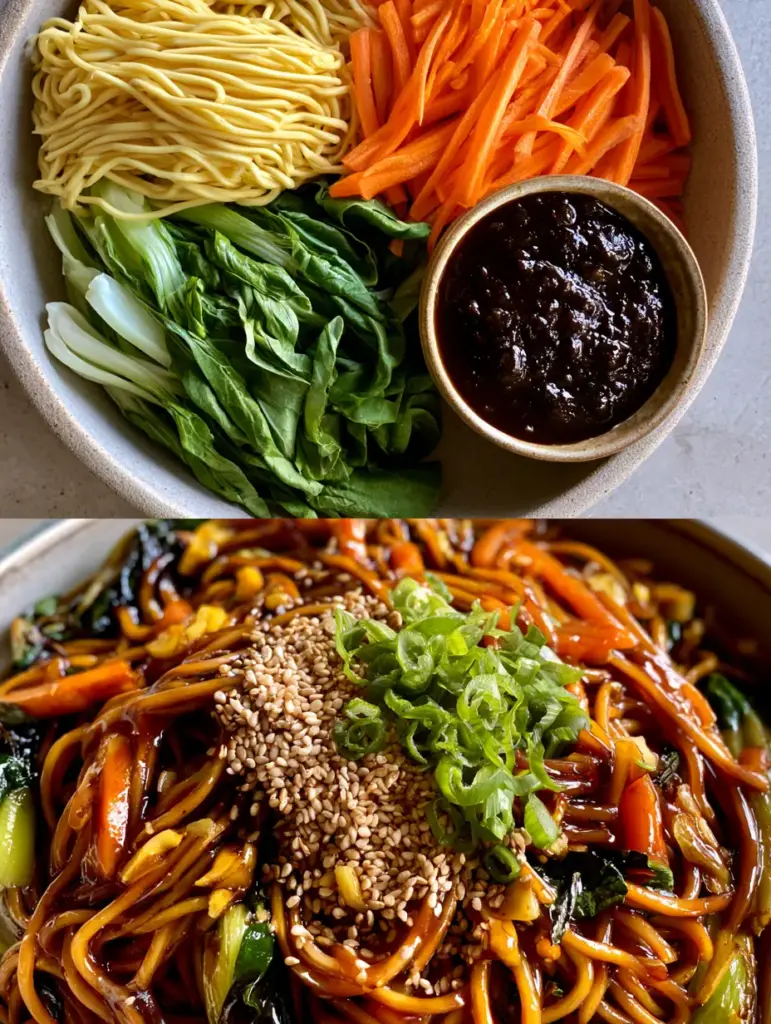
Achieving the perfect lo mein noodles is all about the “Mise en Place.” Because stir-frying happens at high heat, you must have all ingredients ready before the first drop of oil hits the pan.
Step 1: The Noodle Preparation
Bring a large pot of salted water to a boil. Cook 12 oz (340g) of long egg noodles according to the package directions, but aim for 1 minute less than the suggested time. You want them “al dente” because they will continue to soften once they hit the sauce. Drain and rinse briefly with cold water to stop the cooking process and prevent sticking.
Step 2: Whisking the Dark Amber Sauce
In a small ceramic dish, combine the dark soy sauce, light soy sauce, sesame oil, and 1 tbsp (15g) of brown sugar or honey. Whisk until the sugar is dissolved. This mixture should look thick and glossy—this is what creates the “viscous shimmering glaze” that makes these lo mein noodles so addictive. If you prefer a lighter profile, similar to a pasta primavera, you could reduce the dark soy, but you would lose that signature amber color.
Step 3: The Searing and Charring
Heat 2 tbsp (30ml) of neutral oil (like vegetable or canola) in a large wok or heavy-bottomed skillet over high heat. Once the oil is shimmering, add the halved baby bok choy, cut-side down. Let them sear undisturbed for 2 minutes until the edges are slightly charred and the leaves are wilted but vibrant green. Remove them and set aside.
Step 4: The Aromatic Sauté
In the same pan, add the julienned carrots and minced garlic. Sauté for 60-90 seconds. The garlic should turn a beautiful golden color, and the carrots should soften just enough to bend without snapping. The smell at this stage should be intensely savory and sweet.
Step 5: The Final Toss
Add the cooked noodles back into the pan. Pour the dark amber sauce over the top. Using tongs, toss the lo mein noodles vigorously over high heat. The sauce will begin to bubble and reduce, coating the noodles in a shimmering, dark, glossy brown glaze. Add the charred bok choy back in for a final 30-second toss.
Expert Tips for Success
- High Heat is Key: To get those charred edges on the bok choy, your pan needs to be screaming hot. If the pan is too cool, the vegetables will steam rather than sear.
- Don’t Overcook the Noodles: Nothing ruins lo mein noodles faster than a mushy texture. Always aim for a firm bite before adding them to the wok.
- The “Gloss” Factor: If your sauce looks too thin, let it bubble for an extra 30 seconds. The sugars will caramelize and create that handheld smartphone-photo-ready shine.
- Vegetable Variations: While carrots and bok choy are classic, you can easily adapt this technique for a cajun chicken pasta style fusion by adding bell peppers and spice.
Storage, Reheating & Freezing
Storage: These lo mein noodles keep remarkably well. Place leftovers in an airtight container and refrigerate for up to 4 days. The sauce actually intensifies in flavor as it sits.
Reheating: For the best results, reheat in a skillet over medium heat with a splash of water or extra soy sauce to loosen the glaze. Microwave reheating is fine (1-2 minutes), but the noodles may lose some of their signature “chew.”
Freezing: While possible, we don’t recommend freezing this specific dish as the bok choy can become watery and lose its charred texture upon thawing.
What to Serve With This
These lo mein noodles are a complete meal on their own, but they also pair beautifully with other Asian-inspired sides. Consider serving them alongside crispy spring rolls, potstickers, or a light cucumber salad. If you are hosting a fusion-themed dinner, these noodles provide a great savory contrast to something like authentic mexican recipes or even a simple grilled protein.
Frequently Asked Questions
Yes, you can substitute the egg noodles for gluten-free rice noodles and use Tamari or liquid aminos instead of soy sauce. Ensure your dark soy alternative is also certified gluten-free.
The secret is using Dark Soy Sauce. It contains molasses and has a thicker consistency than regular soy sauce, which provides that deep mahogany color and shimmering glaze.
The main difference lies in the cooking method. Lo mein noodles are boiled and then tossed in sauce, resulting in a soft, chewy texture. Chow mein noodles are usually parboiled and then fried until crisp.
Sliced chicken breast, shrimp, or firm tofu work beautifully. Sauté your protein first, remove it from the pan, and toss it back in during the final step with the sauce.
The Ultimate Lo Mein Noodles Recipe
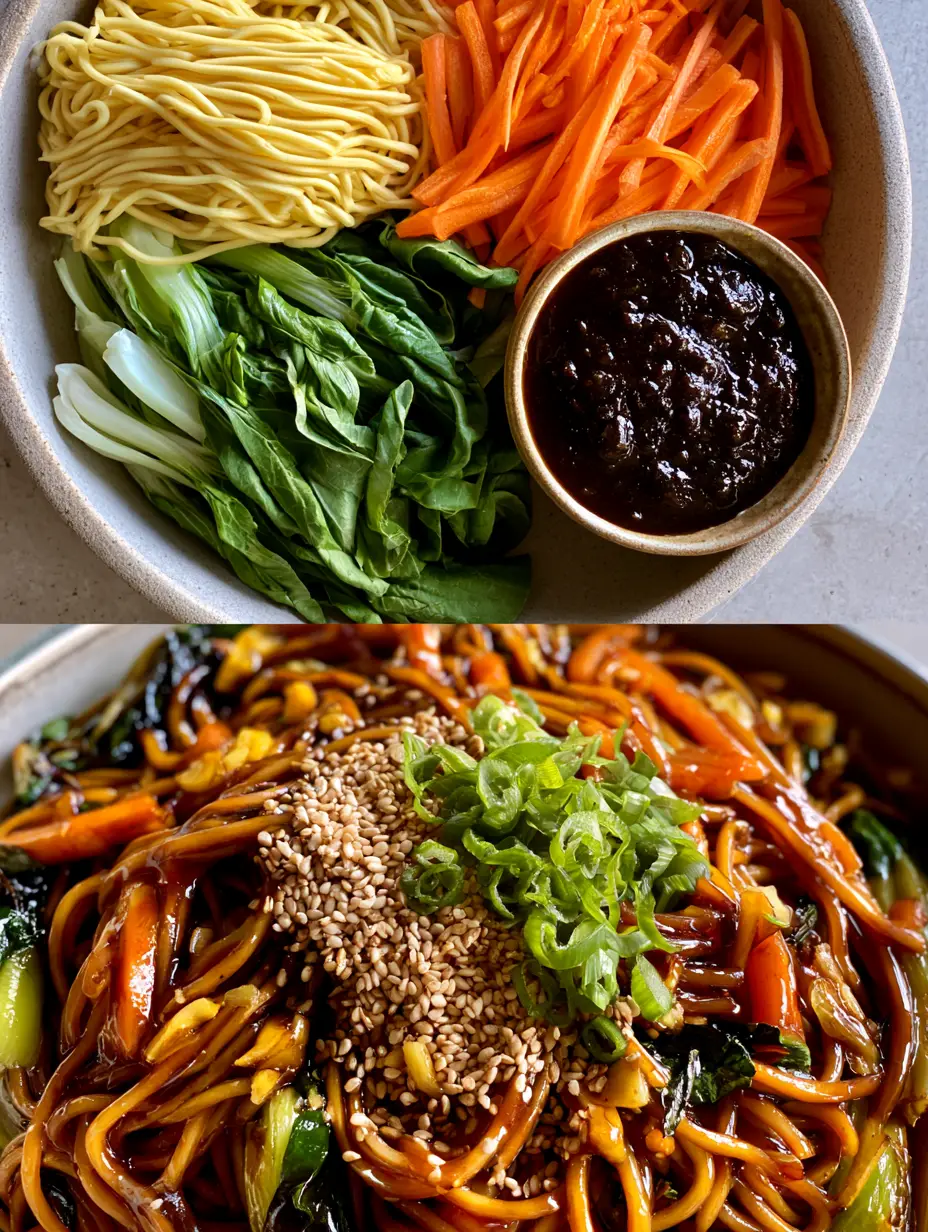
Lo Mein Noodles with Shimmering Garlic Soy Glaze and Charred Bok Choy
Ingredients
Equipment
Method
- Cook the egg noodles in salted boiling water until al dente. Drain and rinse with cold water.
- Whisk dark soy sauce, light soy sauce, sesame oil, and sugar in a small dish until the glaze is dark and viscous.
- Sear bok choy cut-side down in a hot wok with oil until edges are charred and leaves are wilted. Remove and set aside.
- Sauté julienned carrots and minced garlic until the garlic is golden and fragrant.
- Add noodles and sauce to the wok. Toss over high heat until the noodles are drenched in a shimmering dark amber glaze. Return bok choy to the pan and finish with sesame seeds and scallions.
Notes
Use dark soy sauce specifically for the deep amber visual effect.
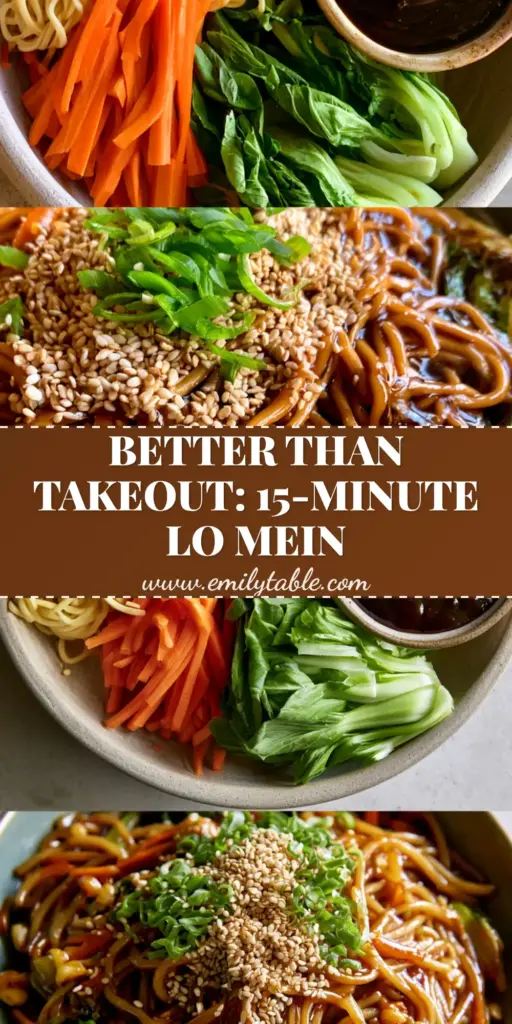
Share Your Culinary Creations!
Did you manage to get that perfect char on your bok choy? We want to see your results! Save this recipe to your Dinner Inspiration board on Pinterest so you never lose it. Follow @Emily_Table for more vibrant, high-flavor recipes that look as good as they taste. Please leave a 5-star rating below and upload a photo of your lo mein noodles in the comments—it helps our community grow!