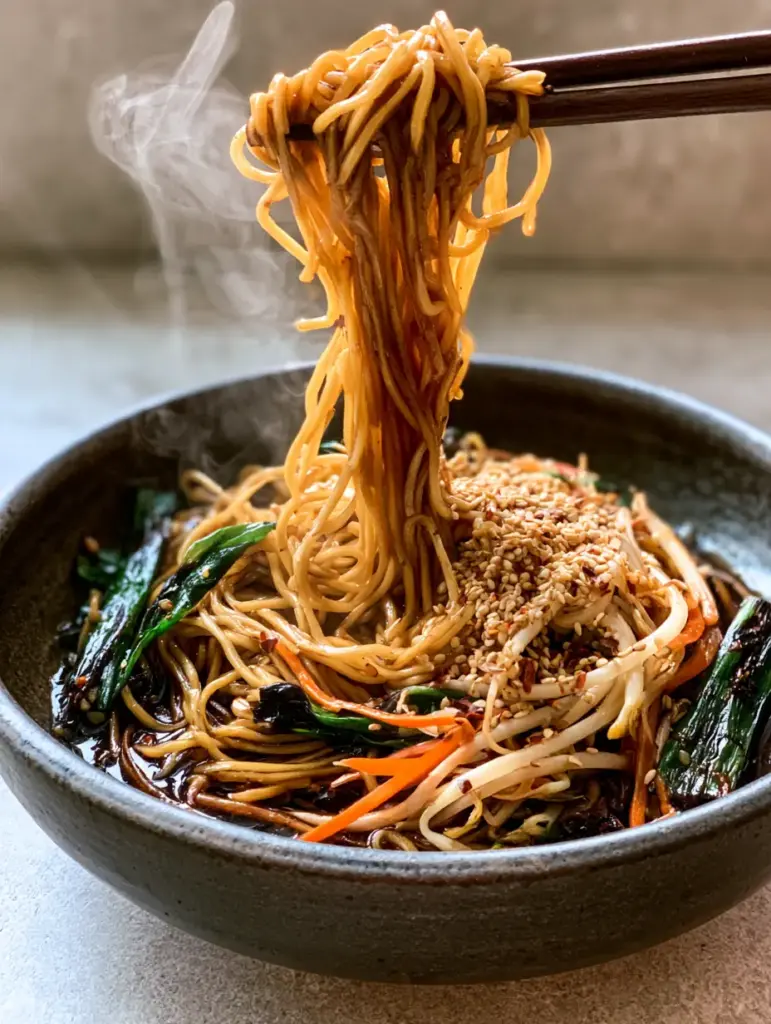
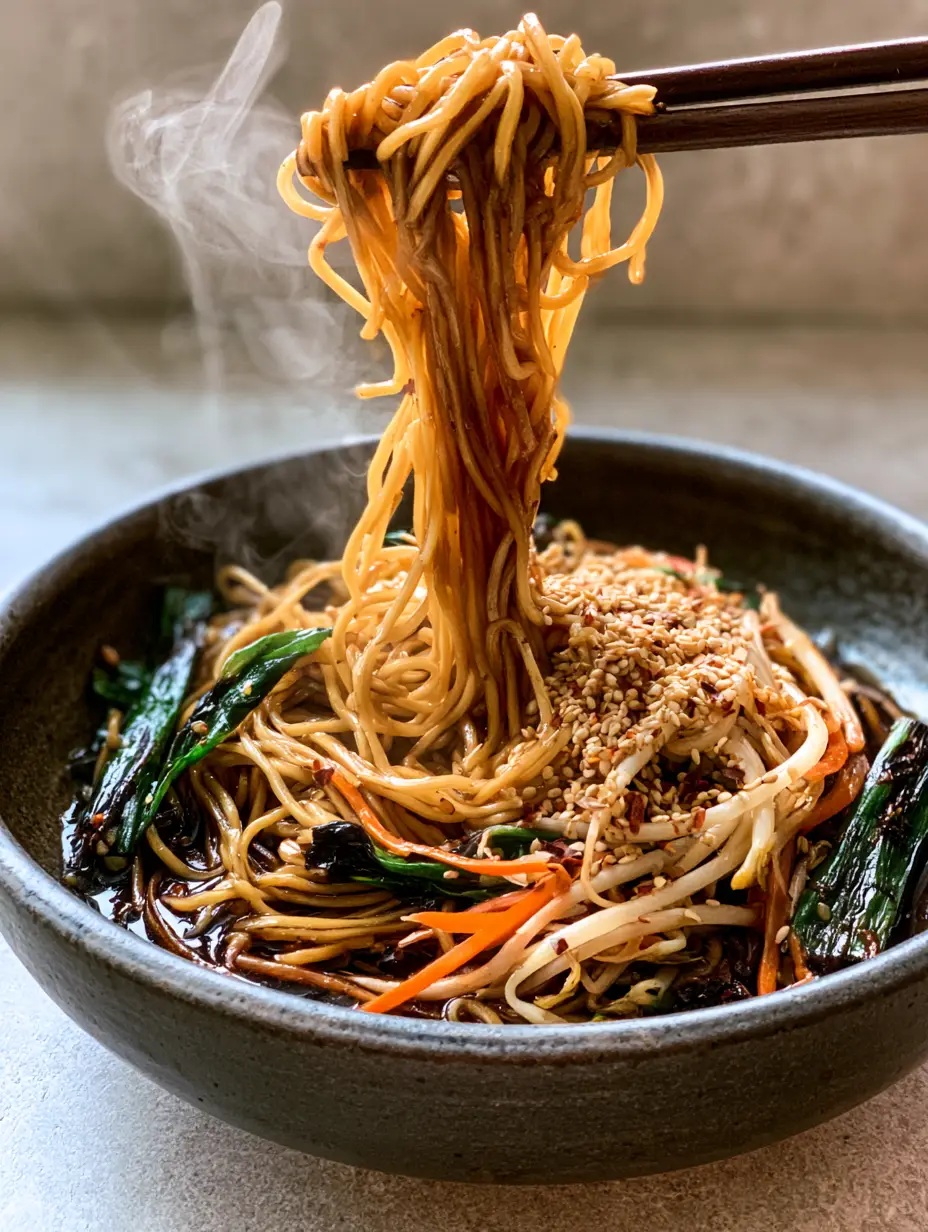
Chow Mein is the quintessential comfort food that brings the vibrant energy of a bustling night market right into your home kitchen. Imagine a steaming bowl of golden-brown wheat noodles, each strand glistening with a rich, dark savory soy-ginger glaze that clings perfectly to the surface. This isn’t just a quick stir-fry; it is a masterclass in texture, combining the soft chew of thin egg noodles with the snap of crisp mung bean sprouts and the smoky aroma of charred green scallions.
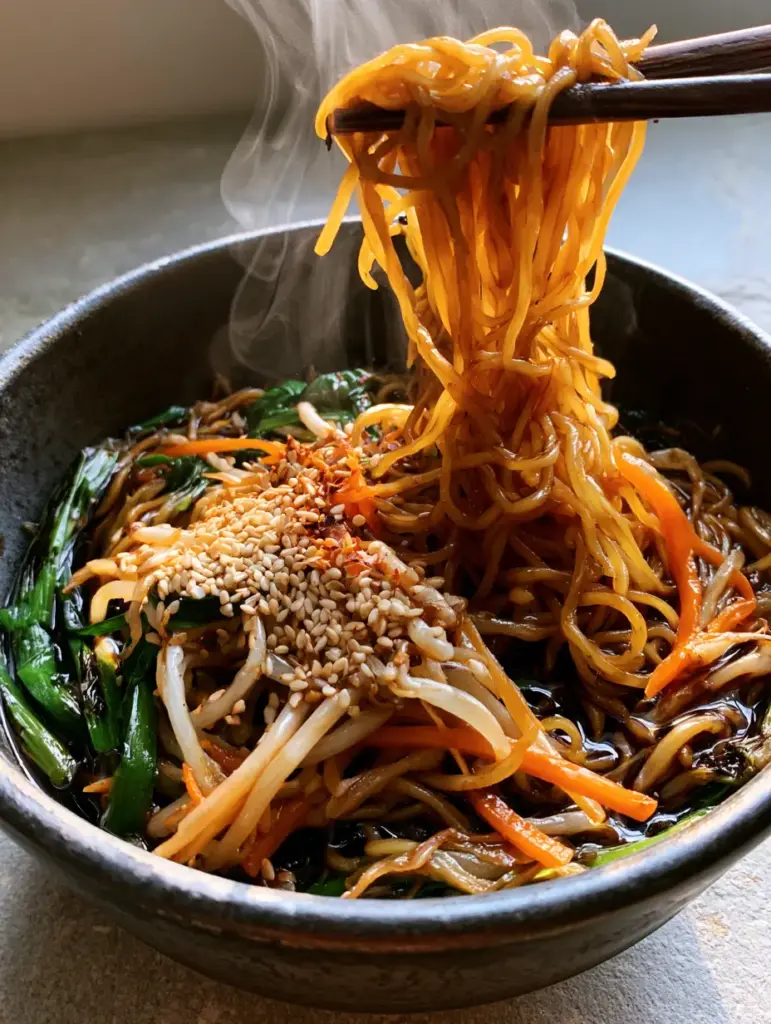
When you lift a bundle of these noodles high with your chopsticks, the delicate wisps of steam carry the fragrance of toasted sesame and spicy red pepper flakes. Whether you are looking for a weeknight staple or a show-stopping side dish, this authentic Chow Mein delivers high-gloss highlights and deep, complex flavors that rival any high-end restaurant. It is a visual and culinary masterpiece designed to satisfy your deepest cravings for savory, salty, and aromatic stir-fried perfection.
Why You Will Crave This Authentic Stir-Fried Noodle Dish
- Perfect Wok-Seared Texture: We use high heat to achieve that elusive “wok hei” (breath of the wok), giving the thin egg noodles a slightly crisped, golden-brown exterior while remaining tender inside.
- Complex Umami Glaze: A balanced blend of dark soy sauce for color and light soy sauce for seasoning creates a rich, mahogany-hued sauce that isn’t overly salty.
- Superior Crunch Factor: The combination of julienned carrots and fresh mung bean sprouts provides a refreshing structural contrast to the savory noodles.
- Aromatic Depth: Freshly minced ginger and charred scallion stalks provide a baseline of warmth and sweetness that ground the entire dish.
- Pinterest-Ready Presentation: Topped with toasted white sesame seeds and dried red pepper flakes, this dish looks as professional as it tastes.
If you enjoy this vibrant stir-fry, you might also love our creamy garlic parmesan orzo for another quick noodle-based dinner solution.
The Essential Components for Restaurant-Quality Chow Mein
To recreate the iconic flavors of Chow Mein, every ingredient must serve a specific culinary purpose. Here is what you will need to gather for your mise en place.
The Noodle Foundation
8 oz (225g) Thin Egg Noodles: Look for “Chow Mein” style wheat noodles. These are thin and hold their shape during high-heat tossing without becoming mushy.
1 tbsp (15ml) Neutral Oil: Use an oil with a high smoke point, like avocado or grapeseed oil, to sear the noodles without burning the fats.
The Signature Savory Glaze
2 tbsp (30ml) Dark Soy Sauce: This provides the deep caramel color and a hint of sweetness seen in the best Chow Mein photos.
1 tbsp (15ml) Light Soy Sauce: This adds the necessary salinity and helps penetrate the noodles with savory flavor.
1 tbsp (15ml) Oyster Sauce: A thick, syrupy addition that provides the “high-gloss” finish and intense umami depth.
1 tsp (5ml) Toasted Sesame Oil: Added at the very end to preserve its delicate, nutty aroma.
Fresh Aromatics and Crisp Vegetables
1 cup (70g) Mung Bean Sprouts: These must be added at the final second to maintain their “crisp silver” appearance and water-rich crunch.
1 large Carrot (julienned): Thin, matchstick-sized pieces ensure the carrots soften just enough while retaining a vibrant orange bite.
4 stalks Green Scallions: Cut into 2-inch segments. We will char these to release their natural sugars.
1 tbsp (6g) Minced Fresh Ginger: Offers a sharp, spicy contrast to the rich sauces.
Finishing Garnishes
1 tsp (3g) Toasted White Sesame Seeds: For a nutty crunch and visual pop against the dark noodles.
1/2 tsp (1g) Dried Red Pepper Flakes: Adds a subtle, lingering heat that balances the savory glaze.
For a different flavor profile during your weekly meal prep, try our cajun salmon pasta for a spicy, creamy alternative.
How to Master the Wok-Sear: Step-by-Step Instructions
Creating the perfect Chow Mein is all about timing and heat management. Follow these steps to ensure your noodles are perfectly glazed and never soggy.
Preparing the Noodles and Sauce
Step 1: Boil the thin egg noodles according to package directions, but shave off 1 minute from the recommended time. They should be “al dente” or slightly firm.
Step 2: Drain the noodles and immediately rinse them under cold running water to stop the cooking process. Shake off all excess water—dry noodles sear better!
Step 3: In a small bowl, whisk together the dark soy sauce, light soy sauce, and oyster sauce. Set this glaze aside.
Searing for Wok Hei
Step 4: Heat your wok or a large cast-iron skillet over high heat until a drop of water flicked onto the surface evaporates instantly. Add the neutral oil and swirl to coat.
Step 5: Add the dried noodles to the wok. Spread them out and let them sit undisturbed for 1-2 minutes until the bottom layer turns golden-brown and slightly crispy. Flip and repeat.
Infusing Aromatics and Textures
Step 6: Push the noodles to one side of the wok. Add the julienned carrots, minced ginger, and the white segments of the scallions. Stir-fry for 60 seconds until the ginger is fragrant.
Step 7: Toss everything together and pour the prepared glaze over the noodles. Use tongs or a wok spatula to lift and turn the noodles, ensuring every strand is coated in the dark savory soy-ginger glaze.
Step 8: Add the green scallion stalks and the mung bean sprouts. Stir-fry for only 30-45 seconds. You want the scallions to show charred segments while the sprouts remain crisp and silver.
The Final Flourish
Step 9: Remove from heat and drizzle with toasted sesame oil. Toss one last time to incorporate the aroma.
Step 10: Transfer the Chow Mein to a rustic matte charcoal bowl. Garnish with a heavy sprinkle of toasted white sesame seeds and tiny flecks of red chili flakes. Serve immediately while the rising steam is still visible.
If you’re craving more Italian-inspired noodles after this, check out our classic spaghetti bolognese for a hearty weekend meal.
Expert Tips for the Perfect Chow Mein Texture
- Dry the Noodles Thoroughly: Any excess moisture will steam the noodles rather than sear them. Use a clean kitchen towel to pat them dry if necessary.
- Don’t Overcrowd the Wok: If you are doubling the recipe, cook in two batches. Overcrowding drops the pan temperature and leads to mushy noodles.
- High Heat is Non-Negotiable: You want the pan screaming hot to achieve the charred scallion effect and the high-gloss highlights on the sauce.
- Prep Everything in Advance: Stir-frying happens in minutes. Have your sauce mixed and veggies chopped before you turn on the stove.
Storage, Reheating & Freezing Instructions
Storage: Store leftover Chow Mein in an airtight container in the refrigerator for up to 3 days. The flavors often deepen overnight!
Reheating: For the best results, reheat in a hot skillet with a teaspoon of oil. This restores the seared texture. Alternatively, microwave in 30-second intervals with a splash of water to keep the noodles moist.
Freezing: While you can freeze Chow Mein, the mung bean sprouts will lose their crunch upon thawing. If you plan to freeze it, omit the sprouts and add fresh ones when reheating.
What to Serve With Authentic Stir-Fried Noodles
This Chow Mein is a hearty meal on its own, but it pairs beautifully with other Asian-inspired dishes. Consider serving it alongside crispy spring rolls, potstickers, or a simple smashed cucumber salad. If you’re planning a multi-course dinner, these noodles provide a savory base for honey walnut shrimp or beef and broccoli.
For more dinner inspiration, browse our list of easy dinner ideas to keep your weekly menu exciting and fresh.
Frequently Asked Questions
While both are wheat-based egg noodles, Chow Mein noodles are typically thinner and firmer, designed to hold up to high-heat stir-frying. Ramen noodles are often softer and meant for soups.
Absolutely. Thinly sliced chicken, shrimp, or tofu work perfectly. Sear your protein first, remove it from the pan, and toss it back in with the sauce and noodles at the end.
Yes! A large cast-iron skillet is a great alternative because it retains heat well, allowing you to achieve the golden-brown sear and charred scallion texture essential for authentic Chow Mein.
The secret is to add them at the very end of the cooking process. Stir-fry them for no more than 45 seconds so they retain their ‘silver’ crispness and internal moisture.
The main difference is the cooking method. Chow Mein means ‘fried noodles,’ where the noodles are seared to achieve a crispy texture. Lo Mein means ‘tossed noodles,’ where boiled noodles are simply mixed with sauce and vegetables without searing.
The Ultimate Steaming Chow Mein Recipe
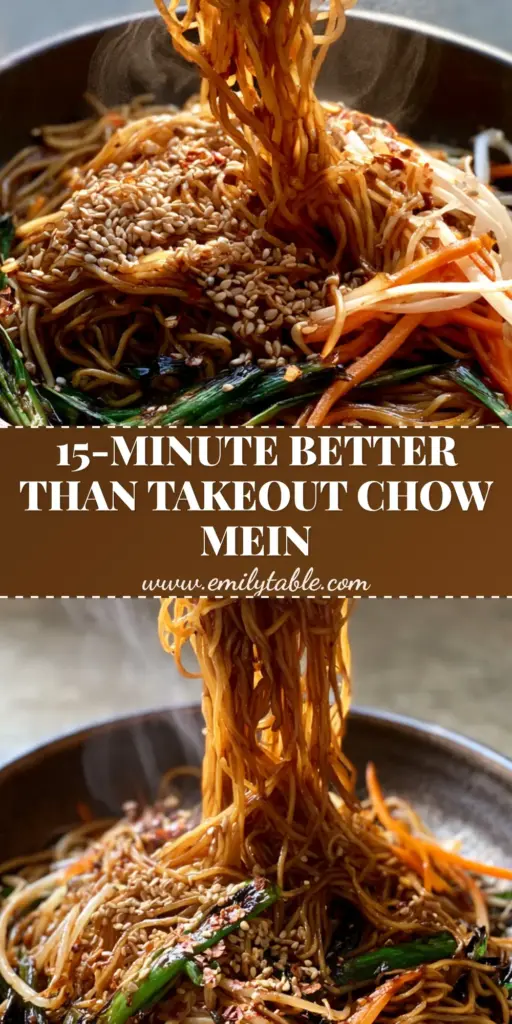
Chow Mein: The Ultimate Wok-Seared Noodle Recipe
Ingredients
Equipment
Method
- Boil noodles for 1 minute less than package directions. Drain, rinse with cold water, and dry thoroughly.
- Heat oil in a wok over high heat. Sear noodles until golden-brown and slightly crisp on both sides.
- Add carrots, ginger, and scallion whites to the wok. Stir-fry for 60 seconds until fragrant.
- Pour in combined soy sauces and oyster sauce. Toss noodles vigorously to coat in the dark glaze.
- Add scallion stalks and mung bean sprouts. Stir-fry for 45 seconds until scallions are charred. Finish with sesame oil, sesame seeds, and chili flakes.
Notes
Ensure the wok is smoking hot before adding the oil to prevent sticking and ensure a proper sear.
Join the Table & Share Your Results!
We hope this Chow Mein becomes a new favorite in your home! The combination of charred scallions and that rich soy glaze is truly addictive. If you make this dish, please come back and leave a 5-star rating in the recipe card above. We love seeing your culinary creations—tag @Emily_Table on Pinterest or upload a photo of your steaming bowl in the comments below. Don’t forget to save this recipe to your “Easy Weeknight Dinners” board so you never lose it!