Spaghetti alla Nerano is a culinary masterpiece born on the sun-drenched shores of the Amalfi Coast, specifically in the small village of Marina del Cantone. This dish recently exploded in global popularity, yet it remains a masterclass in simplicity, relying on the perfect marriage of sweet, deep-fried zucchini and sharp, salty Provolone cheese.
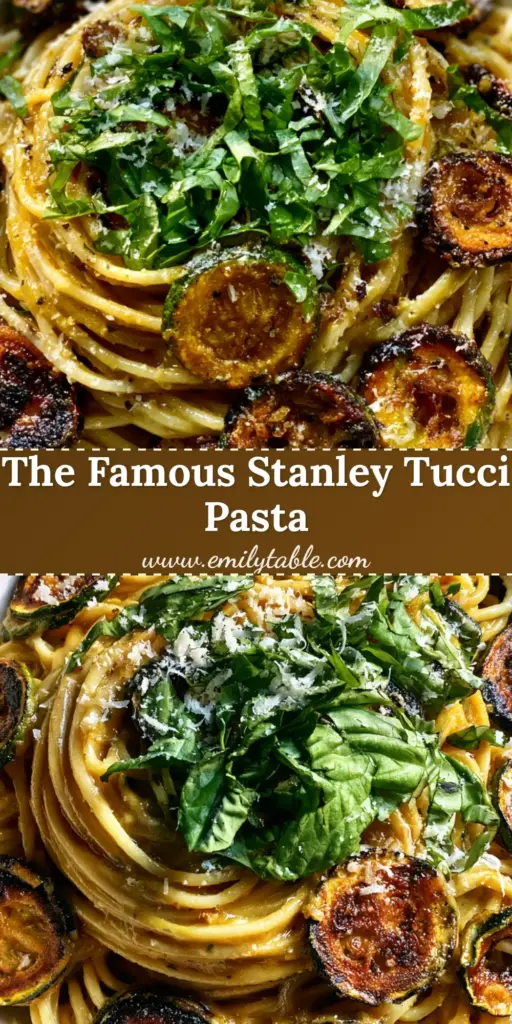
If you have ever seen the iconic macro shots of this dish, you know the visual hallmarks: long, al dente pasta strands coated in a thick, pale-golden sauce that glistens with a starchy sheen. The contrast of the emerald green fresh basil against the rich, golden-brown charred edges of the zucchini coins creates a visual and sensory experience that is truly unparalleled.
To master Spaghetti alla Nerano at home, one must look past the simple ingredient list and focus on the technique of emulsification. By combining the rendered fats of the fried zucchini with the starch-heavy pasta water and finely grated Provolone, we create a silky, creamy texture without a single drop of heavy cream.
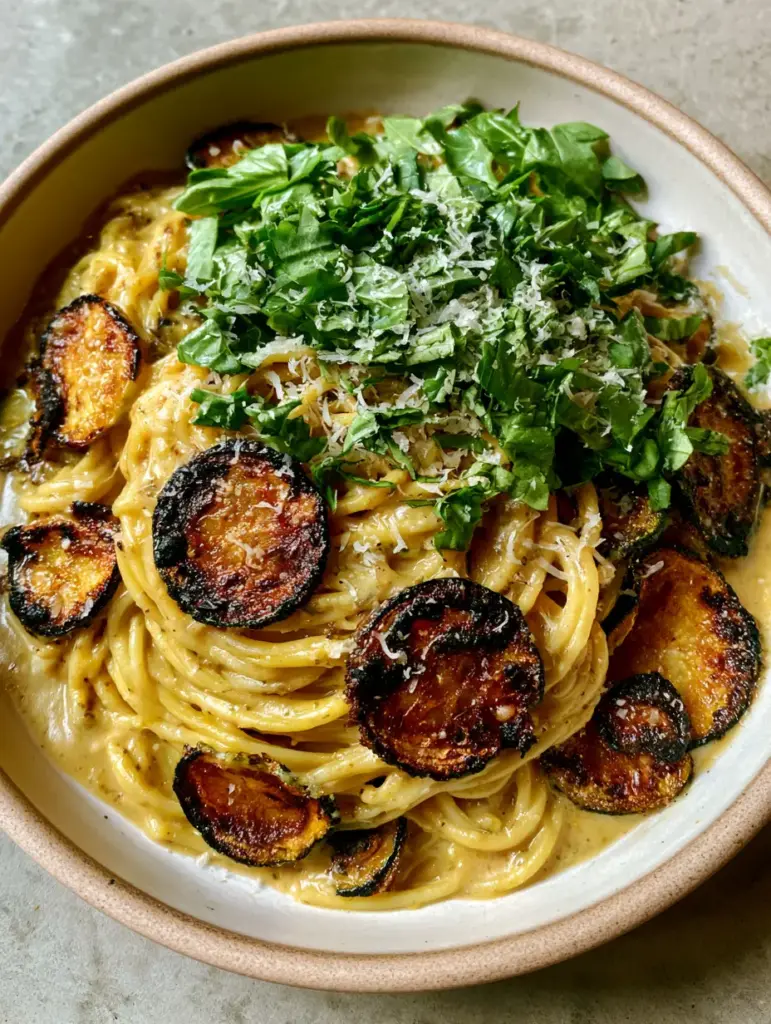
The Unmistakable Appeal of Authentic Nerano-Style Pasta
- Textural Contrast: The combination of firm, al dente spaghetti and tender zucchini coins with crispy, charred edges provides a satisfying mouthfeel in every bite.
- Emulsified Excellence: The sauce is a scientific marvel—a thick, glossy glaze made from the perfect union of aged cheese and starchy pasta water.
- Visual Vibrancy: Deep-fried golden zucchini coins are interspersed with hand-torn, emerald green basil for a presentation that looks like a high-end restaurant dish.
- Flavor Profile: A complex balance of sweetness from the caramelized zucchini, sharpness from the aged Provolone, and a spicy kick from freshly cracked black pepper.
Foundational Ingredients for the Perfect Emulsion
Dried Spaghetti (500g / 1.1 lbs): Look for bronze-cut pasta. The rough surface of bronze-cut spaghetti is essential because it releases more starch and allows the sauce to cling to every strand.
Medium Zucchini (4-5 units / approx. 800g): Fresh, firm zucchini is the star here. We will slice these into thin circular coins to ensure they fry evenly and achieve those signature charred edges.
Extra Virgin Olive Oil (120ml / 0.5 cup): While some use neutral oil for frying, high-quality olive oil imparts a fruity depth to the zucchini that is traditional to the Campania region.
Aged Provolone Cheese (200g / 7oz): Ideally, use Provolone del Monaco. If unavailable, a sharp, aged white Provolone provides the necessary meltability and piquant flavor for the sauce.
Fresh Basil Leaves (1 bunch / 15g): Freshness is key. We tear the basil by hand to prevent bruising and to release the aromatic oils just before serving.
Butter (30g / 2 tbsp): This is a “foundational invisible” ingredient. A small amount of unsalted butter helps stabilize the emulsion and adds a luxurious gloss to the final glaze.
Sea Salt & Cracked Black Pepper: Fine sea salt for the pasta water and coarse black pepper to cut through the richness of the cheese sauce.
Essential Equipment for Professional Results
To achieve the macro-perfect results seen in our visual blueprint, you will need a few specific tools. A mandoline slicer is highly recommended for achieving paper-thin, uniform zucchini coins that fry at the same rate.
A large, deep-sided stainless steel or cast-iron skillet is necessary for the “mantecatura” process—the vigorous tossing of the pasta that creates the emulsion. Finally, a microplane or fine grater is essential; the Provolone must be a “micro-planed white powder” to melt instantly into the sauce without becoming stringy.
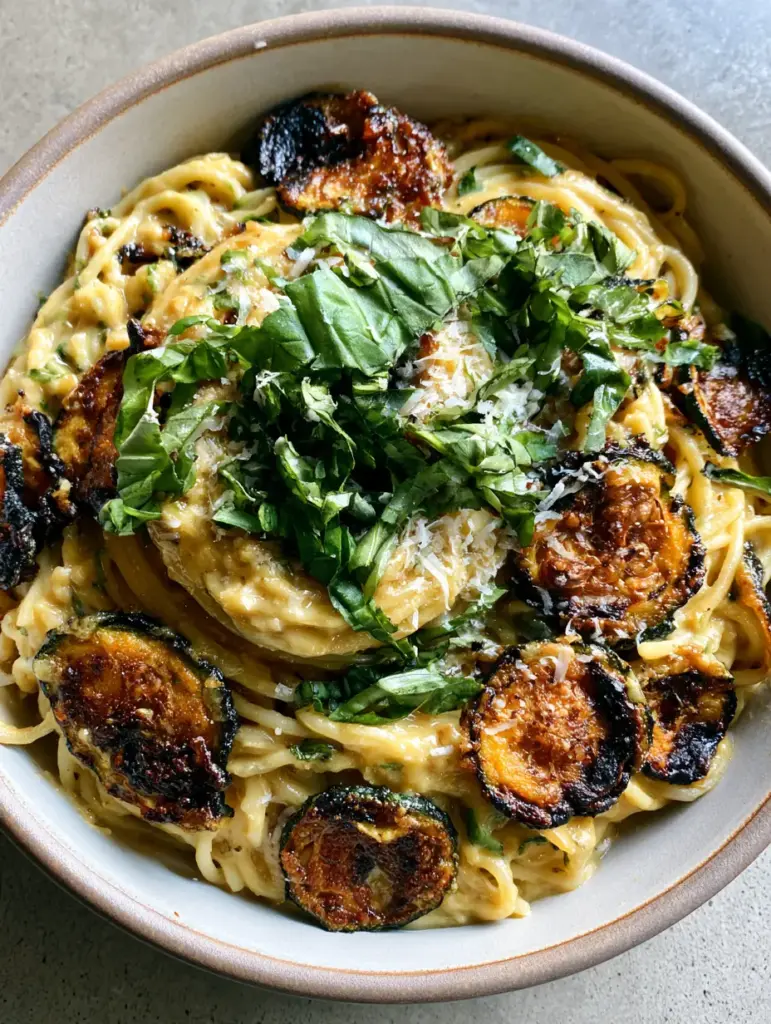
Step-by-Step Instructions to Mastering Spaghetti alla Nerano
Perfecting the Deep-Fried Zucchini Coins
Begin by slicing your zucchini into thin rounds, roughly 2mm (1/16 inch) thick. In your large skillet, heat the olive oil to approximately 175°C (350°F).
Fry the zucchini in batches, ensuring you do not overcrowd the pan. Fry until they reach a rich, golden-brown hue with visibly charred, dark edges—this char is where the deep, umami flavor resides. Remove with a slotted spoon and drain on paper towels, seasoning immediately with a pinch of salt.
The Secret to Al Dente Spaghetti
Bring a large pot of water to a boil, but use less water than usual. A lower water-to-pasta ratio results in a higher concentration of starch, which is the “liquid gold” required for our sauce.
Cook the spaghetti until it is roughly 2 minutes away from being al dente. It should still have a firm “snap” in the center, as it will finish cooking directly in the sauce. Reserve at least 2 cups (480ml) of this starchy pasta water before draining.
Executing the Mantecatura (The Emulsion)
In your skillet, combine the fried zucchini with a splash of the pasta water and the butter over medium-low heat. Use a wooden spoon to slightly crush a few of the zucchini coins; this helps them integrate into the liquid.
Add the undercooked spaghetti to the skillet. Gradually add more pasta water while tossing the pasta vigorously. As the water evaporates, the starch and oil will begin to form a pale-golden, silky liquid.
Building the Glossy Provolone Sauce
Turn the heat to the lowest setting or remove the pan from the heat entirely to prevent the cheese from clumping. Sprinkle the finely grated Provolone over the pasta in three stages.
Toss constantly between each addition. The cheese should melt into the starchy water, creating a thick, glossy, emulsified sauce that coats every strand. If the sauce looks too dry or “matte,” add another tablespoon of pasta water to restore the starchy sheen described in our visual prompt.
Expert Tips for Success
- The Resting Secret: Traditionally, the fried zucchini is left to rest in a bowl for several hours or even overnight. This softens the rounds and allows the flavors to concentrate, though you can skip this for an immediate meal.
- Temperature Control: Never add the Provolone to a boiling pan. Extreme heat causes the proteins in the cheese to tighten and separate from the fats, resulting in a grainy sauce rather than a silky one.
- Starch is Key: If your sauce isn’t thickening, you likely used too much water to boil your pasta. For your next attempt, try our authentic Italian pasta recipes guide to mastering water ratios.
- The Finish: Always add the torn basil at the very last second. The residual heat of the pasta will wilt it just enough to release its scent without losing its vibrant emerald green color.
Storage, Reheating, and Freezing
Spaghetti alla Nerano is best enjoyed immediately while the emulsion is at its peak silkiness. However, leftovers can be stored in an airtight container in the refrigerator for up to 2 days.
To reheat, do not use a microwave, as it will break the emulsion and make the pasta oily. Instead, place the pasta in a skillet with a tablespoon of water or milk over low heat. Toss constantly until the sauce becomes creamy again. Freezing is not recommended, as the zucchini texture and the cheese sauce do not survive the thawing process well.
What to Pair With Your Amalfi Coast Feast
Since Spaghetti alla Nerano is quite rich and savory, it pairs beautifully with light, acidic side dishes. A crisp green salad or a side of marinated vegetables can help cleanse the palate between bites of the cheesy pasta.
If you are hosting a larger Italian-inspired gathering, consider serving this alongside a caprese pasta salad for a variety of textures. For those who enjoy a tangier profile, a greek pasta salad offers a nice contrast. If you’re looking for more creamy options, our creamy Tuscan pasta salad is another crowd-pleaser that uses similar emulsification techniques.
Frequently Asked Questions
While traditional Nerano relies on Provolone, you can substitute it with a high-quality vegan parmesan or nutritional yeast and a touch of cashew cream, though the flavor profile will differ significantly.
Yes! The starchy pasta water is the most critical ingredient for the emulsion. It acts as a bridge between the fats (oil and cheese) and the liquid, creating the signature glossy sheen.
The traditional choice is Provolone del Monaco, a semi-hard, aged cheese from the Sorrento area. If you can’t find it, use a sharp, aged white Provolone for a similar flavor profile and melting quality.
This usually happens if the oil temperature is too low or if the pan is overcrowded. Ensure your oil is at 175°C (350°F) and fry in small batches to maintain the heat and achieve those charred edges.
The dish was invented by Maria Grazia in the village of Nerano in the 1950s. It has since become a staple of the region and a favorite among locals and celebrities alike.
The Authentic Spaghetti alla Nerano Recipe Card
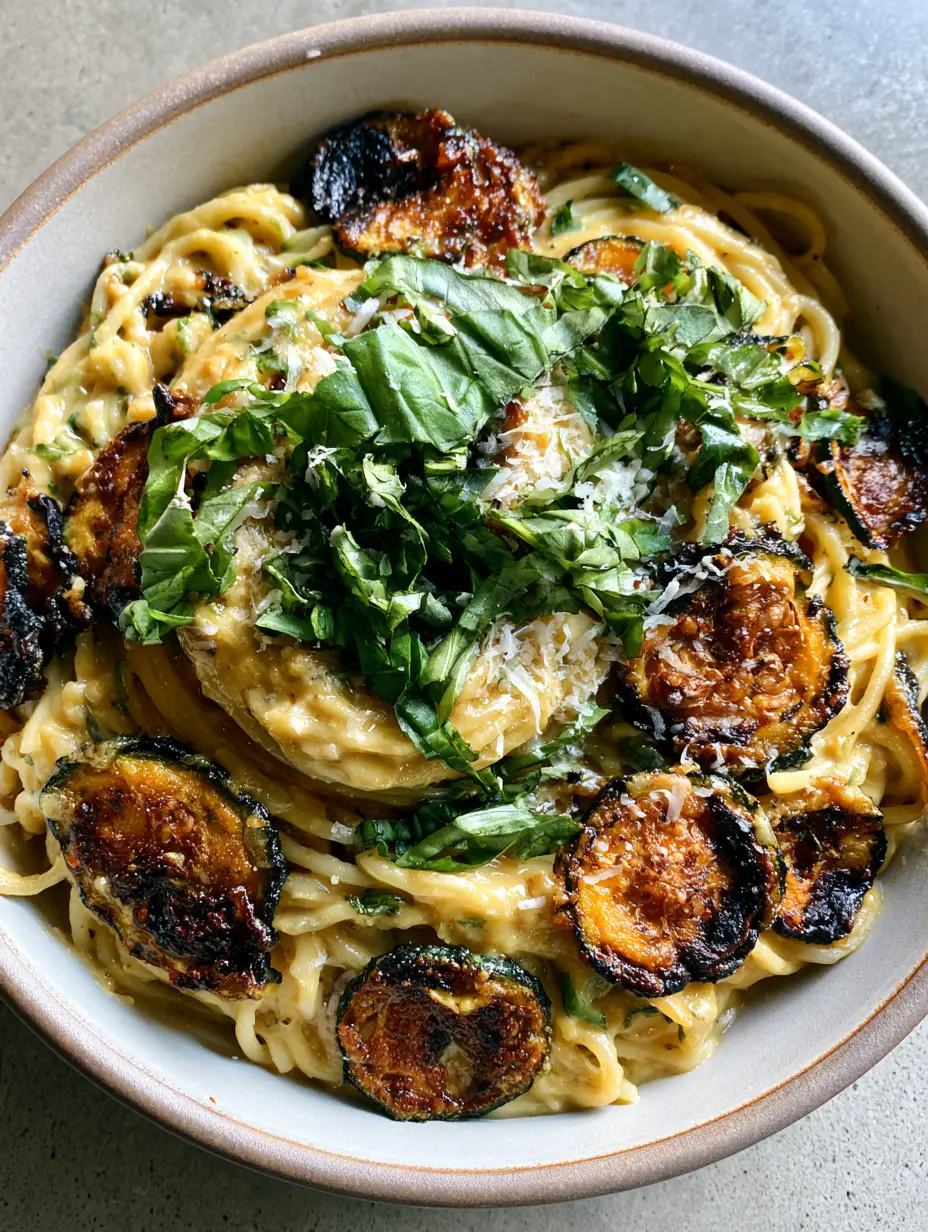
Spaghetti alla Nerano: The Ultimate Guide to Italy’s Most Luxurious Fried Zucchini Pasta
Ingredients
Equipment
Method
- Heat olive oil in a skillet to 175°C (350°F). Fry zucchini rounds in batches until deep golden-brown with dark, charred edges. Drain on paper towels and season with salt.
- Cook spaghetti in salted water until 2 minutes shy of al dente. Reserve 2 cups (480ml) of starchy pasta water before draining.
- Combine fried zucchini, butter, and a splash of pasta water in the skillet. Add pasta and toss vigorously over medium-low heat, adding more water as needed to create a glossy glaze.
- Remove from high heat. Gradually add micro-planed Provolone while tossing constantly until a thick, pale-golden sauce forms. Fold in fresh torn basil and cracked black pepper.
Notes
Do not overheat the cheese to avoid graininess.
Bringing the Amalfi Coast to Your Kitchen
Mastering Spaghetti alla Nerano is a rite of passage for any home cook looking to elevate their pasta game. By focusing on the visual cues—the charred edges of the zucchini and the glossy sheen of the sauce—you can recreate a world-class meal in your own home. The combination of simple ingredients handled with professional technique results in a dish that is truly greater than the sum of its parts.
We would love to see your culinary creations! Tag us in your photos and share your success stories. For more visual inspiration and recipe pins, be sure to follow Emily_Table on Pinterest and save this recipe for your next dinner party.