If you have ever experienced the sensory delight of authentic Cuban vaca frita, you know it is all about the contrast. This legendary dish, which translates literally to “fried cow,” is the pinnacle of Cuban comfort food, offering a masterclass in texture and aromatics. Unlike its cousin, Ropa Vieja, which is stewed in a tomato-based sauce, this beef is all about the sear, the crunch, and the zing of fresh citrus.
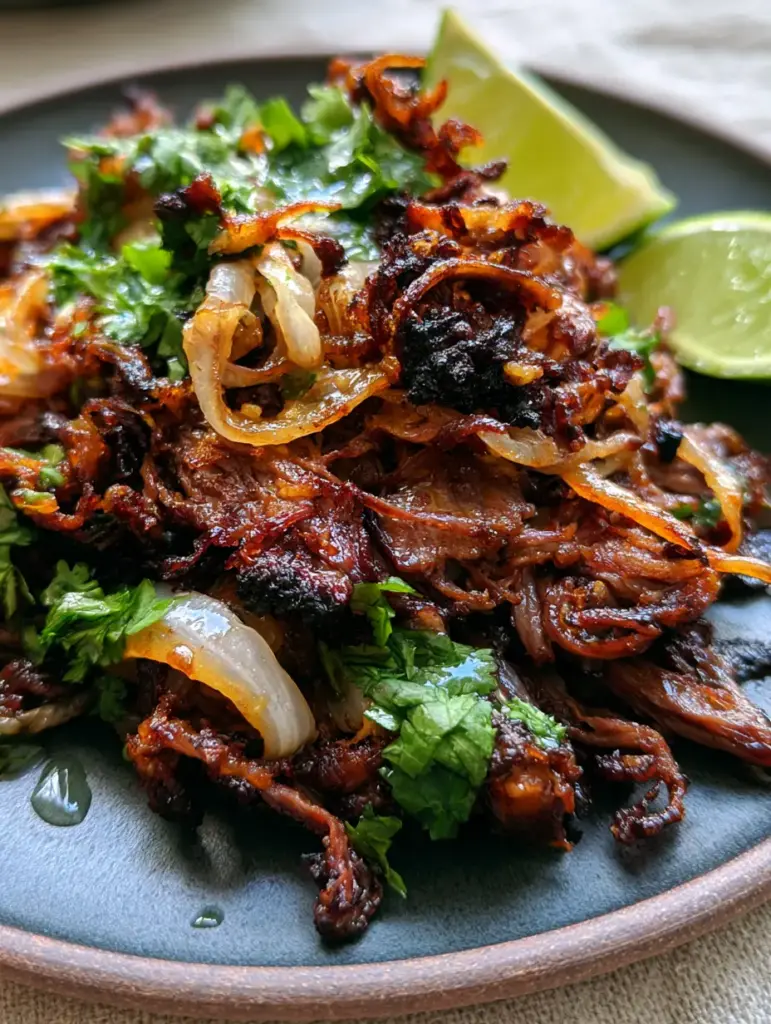
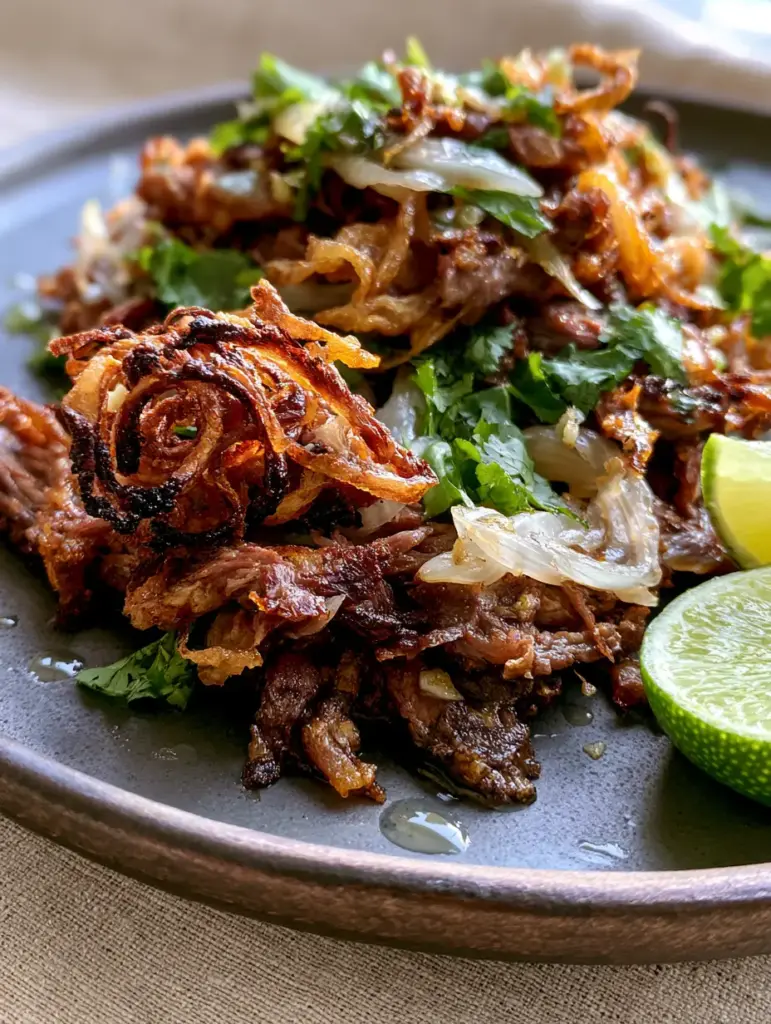
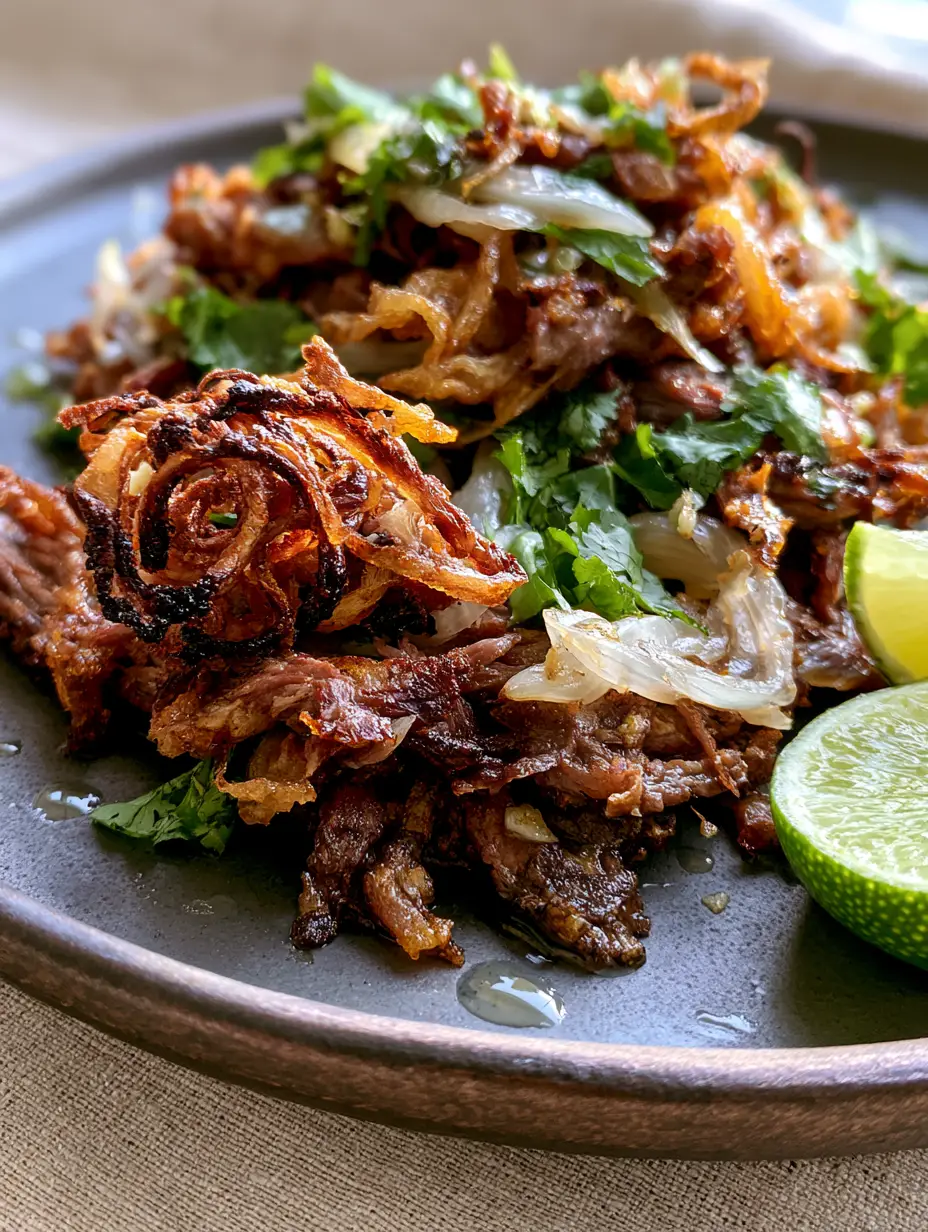
Imagine a plate of deeply caramelized, shredded flank steak with highly visible charred, crispy, curled edges that shatter upon impact, revealing a glistening, juicy interior. This is not just a meal; it is a technical achievement of the Maillard reaction. We are going to achieve that signature mahogany brown finish and the unmistakable sheen of garlic-infused oil that makes every bite addictive.
Whether you are a seasoned chef or a home cook looking to expand your Latin repertoire, this guide will walk you through the forensic details of creating the perfect vaca frita. From the translucent, soft-sautéed white onion slivers to the final droplets of clear lime juice, every element is designed to replicate the best paladares in Havana.
The Anatomy of the Perfect Cuban Crunch
To achieve the visual and textural standards of professional Cuban cuisine, several elements must align perfectly in your skillet. We aren’t just frying meat; we are building layers of flavor and structural integrity.
- The Mahogany Sear: We utilize high-heat conductivity to create a deep brown crust without drying out the interior fibers of the flank steak.
- Aromatic Infusion: The beef is tossed with translucent white onion slivers and generous amounts of freshly chopped green cilantro for a bright, herbal finish.
- Acidic Balance: Fresh lime wedges with visible juice vesicles are essential, providing the droplets of clear lime juice that cut through the rich, garlic-infused oil.
- Forensic Texture: The goal is shredded beef that features crispy, curled edges while maintaining a tender, succulent center.
Essential Components for Authentic Vaca Frita
Every ingredient in this recipe serves a specific structural or flavor purpose. To achieve the results seen in our professional visual blueprint, do not skip the foundational elements.
1.5 lbs (680g) Flank Steak: The long, lean fibers of flank steak are non-negotiable, as they shred into the perfect strands required for maximum surface area and crispiness.
1 large (300g) White Onion: Sliced into thin slivers, these provide a sweet, translucent contrast to the savory beef once they are soft-sautéed.
4 cloves (20g) Fresh Garlic: Smashed and infused into the cooking oil, garlic provides the aromatic backbone and the characteristic “garlic oil sheen” visible on the meat.
3 tbsp (45ml) Neutral Oil: Use an oil with a high smoke point (like avocado or vegetable oil) to achieve the charred, crispy beef edges without burning the fat.
2 Fresh Limes: One is used for the marinade and the other is cut into wedges to provide those essential juice droplets at the table.
1/2 cup (20g) Fresh Cilantro: Chopped finely to add a vibrant green contrast and a refreshing herbal note to the deep mahogany brown beef.
Foundational Seasonings: You will need 1 tsp (6g) Kosher salt, 1/2 tsp (3g) black peppercorns, and 2 dried bay leaves for the initial simmering process to ensure the beef is seasoned from the inside out.
Technical Tools for Culinary Success
To replicate the macro textures of this dish, equipment choice is vital. A heavy-bottomed pan is your best friend here.
Cast Iron Skillet: This is the gold standard for vaca frita. Its heat retention ensures the shredded flank steak develops those curled, crispy edges rather than just steaming in the pan.
Meat Mallet: Used to slightly flatten the boiled beef before shredding, which helps break down the connective tissue for longer, more uniform strands.
Fine Mesh Strainer: Essential for drying the shredded beef before it hits the oil; any excess moisture will prevent the mahogany browning we desire.
Developing the Mahogany Brown Crust: Step-by-Step
Stage 1: The Aromizing Simmer
Place your flank steak in a large pot and cover with water. Add the bay leaves, black peppercorns, and a pinch of salt. Bring to a boil, then reduce to a simmer for 60-90 minutes until the meat is tender enough to shred but not falling apart.
This step is crucial for the “glistening, juicy interior.” By gently simmering the beef first, we ensure the internal fibers remain hydrated even after the exterior is fried to a crisp.
Stage 2: Precision Shredding and Marinating
Remove the beef and let it cool slightly. Use two forks, or your fingers, to shred the steak into long, thin strands. Aim for a variety of thicknesses to create diverse textures in the final dish.
Toss the shredded beef with half of the lime juice and two cloves of minced garlic. Let this sit for 15 minutes. This “mojo” base begins the flavor infusion that will later result in the garlic oil sheen on the surface of the meat.
Stage 3: The High-Heat Transformation
Heat the oil in your cast iron skillet over medium-high heat. Add the onion slivers and sauté until they are translucent and soft. Remove the onions and set them aside to maintain their delicate texture.
Increase the heat to high. Add the beef in a single, even layer. Do not crowd the pan. Press down with a spatula to ensure maximum contact. Listen for the aggressive sizzle—this is the sound of the charred, crispy beef edges forming.
Stage 4: The Final Searing and Finishing
Fry the beef undisturbed for 3-4 minutes until the bottom is a deep mahogany brown. Flip the meat and add the sautéed onions back into the pan. Toss everything together for another 2 minutes until the onions are heated through and the beef is curled and crispy.
Turn off the heat. Immediately toss in the chopped fresh cilantro. The residual heat will wilt the cilantro just enough to release its oils without losing its bright green color.
Expert Tips for Visual and Flavor Accuracy
- Dry the Beef: Use paper towels to pat the shredded beef completely dry before frying. Moisture is the enemy of the “deep mahogany brown” crust.
- Don’t Over-Stir: The secret to the curled, charred edges is leaving the meat alone in the hot pan. Frequent stirring leads to even browning but prevents the signature “frita” texture.
- Infuse the Oil: Sauté whole garlic cloves in the oil first, then remove them before adding the beef. This creates the garlic oil sheen without the bitterness of burnt garlic bits.
- Cold Beef Crispiness: If you have time, refrigerate the shredded beef for an hour before frying. Cold beef hits the hot oil and crisps up significantly faster than room-temperature meat.
Perfect Pairings and Serving Suggestions
Vaca frita is traditionally served with white rice and black beans, but there are many ways to elevate this meal. For a truly authentic Cuban experience, serve this alongside Yuca con Mojo, which mirrors the garlic and lime profile of the beef.
If you prefer a lighter accompaniment, these crispy beef strands are excellent topping for Taco Salad Bowls, adding a unique Cuban twist to a classic lunch. You might also enjoy pairing the richness of the beef with a side of Papas con Chorizo for a hearty, protein-packed dinner.
Storage and Reheating Guidelines
Storage: Store leftovers in an airtight container in the refrigerator for up to 4 days. The flavors often deepen overnight, making day-two vaca frita exceptional.
Reheating: Avoid the microwave, which will make the crispy edges rubbery. Instead, reheat in a dry skillet over medium heat for 3-5 minutes until the beef sizzles and regains its crunch.
Freezing: You can freeze the boiled and shredded beef (before frying) for up to 3 months. When ready to eat, thaw completely and proceed with the frying steps for a fresh-tasting meal.
Common Questions About Cuban Vaca Frita
Flank steak is traditional because of its long fibers, but skirt steak or brisket can be used as substitutes. Avoid tenderloin or ribeye, as they won’t shred into the long strands needed for the classic texture.
The secret is the two-step process: simmering the beef first to make it tender, and then frying it at very high heat in a cast iron skillet to crisp the exterior while keeping the inside juicy.
Yes, this recipe is naturally gluten-free as it relies on whole ingredients like beef, aromatics, oil, and citrus juice without any flour or thickeners.
While both use shredded flank steak, Ropa Vieja is stewed in a tomato-based sauce with peppers, whereas Vaca Frita is marinated in lime and garlic and then pan-fried until crispy and charred.
You should sauté the onions first and remove them from the pan. Only add them back at the very end to warm through, which prevents them from burning during the high-heat beef searing process.
The Ultimate Vaca Frita: Deeply Crispy and Citrus-Bright
Vaca Frita Recipe: Authentic Cuban Crispy Shredded Beef with Garlic and Lime
Ingredients
Equipment
Method
- In a large pot, cover flank steak with water. Add bay leaves, peppercorns, and salt. Simmer for 60-90 minutes until tender.
- Cool the beef slightly, then shred into long strands. Toss with half the lime juice and two cloves of minced garlic. Let marinate for 15 minutes.
- Heat 1 tbsp of oil in a cast iron skillet. Sauté onion slivers until translucent. Remove and set aside.
- Add remaining oil and heat until shimmering. Add beef in a single layer. Sear without moving for 3-4 minutes until deep mahogany and crispy. Flip and sear for 2 more minutes.
- Add onions back to the pan. Toss with chopped cilantro. Serve immediately with fresh lime wedges.
Notes
Use a high-smoke point oil to prevent the garlic oil sheen from turning bitter.
Join the Table and Share Your Results!
Mastering vaca frita is a rite of passage for any lover of Latin cuisine. The combination of deep mahogany charred edges and the bright zing of lime creates a flavor profile that is truly unforgettable. Did you get that perfect crunch? We want to see your culinary triumphs!
Leave a comment below and tell us how your vaca frita turned out. Don’t forget to tag us in your photos and share this recipe to Pinterest so others can enjoy this Cuban classic. Happy cooking!