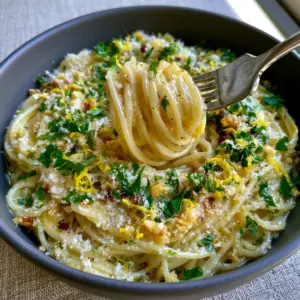
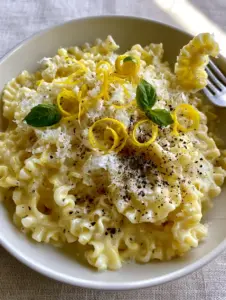
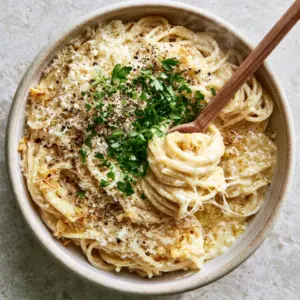
There is nothing quite like a perfectly executed garlic parmesan sauce. When done correctly, it is an ivory-white masterpiece of culinary emulsion, offering a glossy, heavy texture that clings to every strand of pasta or piece of roasted poultry. This isn’t just a simple topping; it is a foundational element of high-end comfort food that balances the sharp tang of aged cheese with the mellow, aromatic warmth of sautéed garlic.
In this guide, we are diving deep into the science of the perfect emulsion. We will transform heavy cream, micro-planed cheese, and fresh aromatics into a sauce that looks just as good as it tastes. If you have ever struggled with a grainy sauce or one that separates, you are in the right place to master the craft of professional saucier techniques at home.
Why This Velvety Garlic Parmesan Sauce Is a Culinary Game-Changer
- Unmatched Glossy Texture: By carefully controlling the fat-to-protein ratio, we achieve a heavy, velvety mouthfeel that avoids the dreaded “greasy” finish.
- Aged Flavor Profile: The use of 24-month aged parmesan provides a complex, nutty depth that pre-grated substitutes simply cannot replicate.
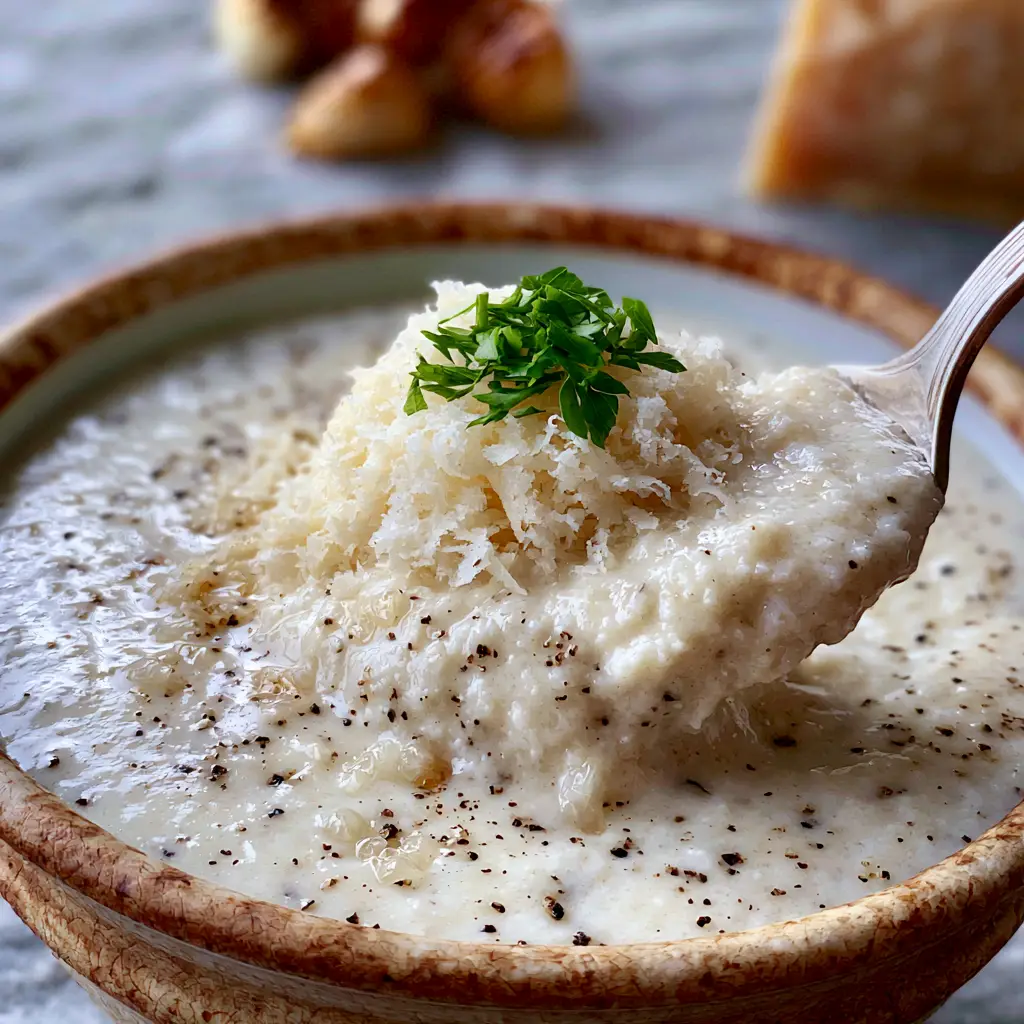
- Visual Forensics: We focus on the “ivory-white” aesthetic, speckled with translucent sautéed garlic and vibrant cracks of black pepper for a restaurant-quality presentation.
- Versatile Application: While it is the soul of a luxurious creamy garlic butter pasta, it also serves as a premium dipping sauce or base for white pizzas.
The Secret Pantry Staples for an Authentic Ivory-White Finish
The foundation of this garlic parmesan sauce lies in the quality of the dairy and the preparation of the aromatics. Every ingredient listed below serves a specific structural or flavor purpose to ensure the final result matches the high-end food styling you see in professional photography.
Unsalted Butter (1/2 cup / 115g): We use unsalted butter to maintain total control over the sodium levels. This butter is the starting point for the roux-less emulsion, providing the fat necessary to carry the garlic’s essential oils.
Fresh Garlic Cloves (4 large / 20g): You must use fresh cloves rather than jarred alternatives. When minced and sautéed until translucent, they provide a sweet, mellow pungency without the bitterness of browned garlic.
Heavy Cream (2 cups / 480ml): This is the backbone of the sauce. The high fat content (at least 36%) ensures stability when heat is applied, preventing the sauce from breaking once the cheese is introduced.
Aged Parmesan Cheese (1.5 cups / 150g): It is critical to use a micro-plane for this. The “fluffy cloud” of cheese melts instantly into the warm cream, creating a smooth, grit-free texture.
Fresh Flat-Leaf Parsley (2 tbsp / 8g): Finely chopped parsley adds a necessary pop of color and a fresh, herbaceous top note that cuts through the richness of the dairy.
Cracked Black Peppercorns (1 tsp / 2g): Freshly cracked pepper provides larger “fine cracks” that are visually striking and offer bursts of heat, unlike pre-ground pepper which just turns the sauce grey.
Sea Salt (to taste): A pinch of high-quality sea salt enhances the natural nuttiness of the parmesan and the sweetness of the reduced cream.
Essential Tools for a Professional Saucier Texture
To achieve the “macro photo” perfection described, your tools are just as important as your ingredients. You will need a heavy-bottomed saucepan to ensure even heat distribution, preventing the cream from scorching at the edges.
A micro-plane grater is non-negotiable for this garlic parmesan sauce. If the cheese is grated too coarsely, it will clump together rather than emulsifying. Finally, a silicone-coated whisk will allow you to vigorously incorporate the cheese without scratching your cookware or aerating the sauce too much.
Mastering the Emulsion: A Step-by-Step Culinary Protocol
Sautéing the Aromatic Foundation
Begin by placing your saucepan over medium-low heat. Add the 1/2 cup (115g) of unsalted butter and allow it to melt until it begins to foam slightly. This foaming indicates that the water content is evaporating, leaving behind pure fat for the garlic.
Add your 4 minced garlic cloves (20g) to the butter. You are looking for a specific visual cue: the garlic should become translucent and soft, not golden or brown. This “sweating” technique ensures the garlic parmesan sauce remains ivory-white rather than turning a toasted tan color.
Reducing the Cream for Maximum Viscosity
Pour in the 2 cups (480ml) of heavy cream. Increase the heat slightly to medium until you see small bubbles forming around the perimeter of the pan. Do not bring the sauce to a rolling boil, as this can destabilize the proteins in the milk.
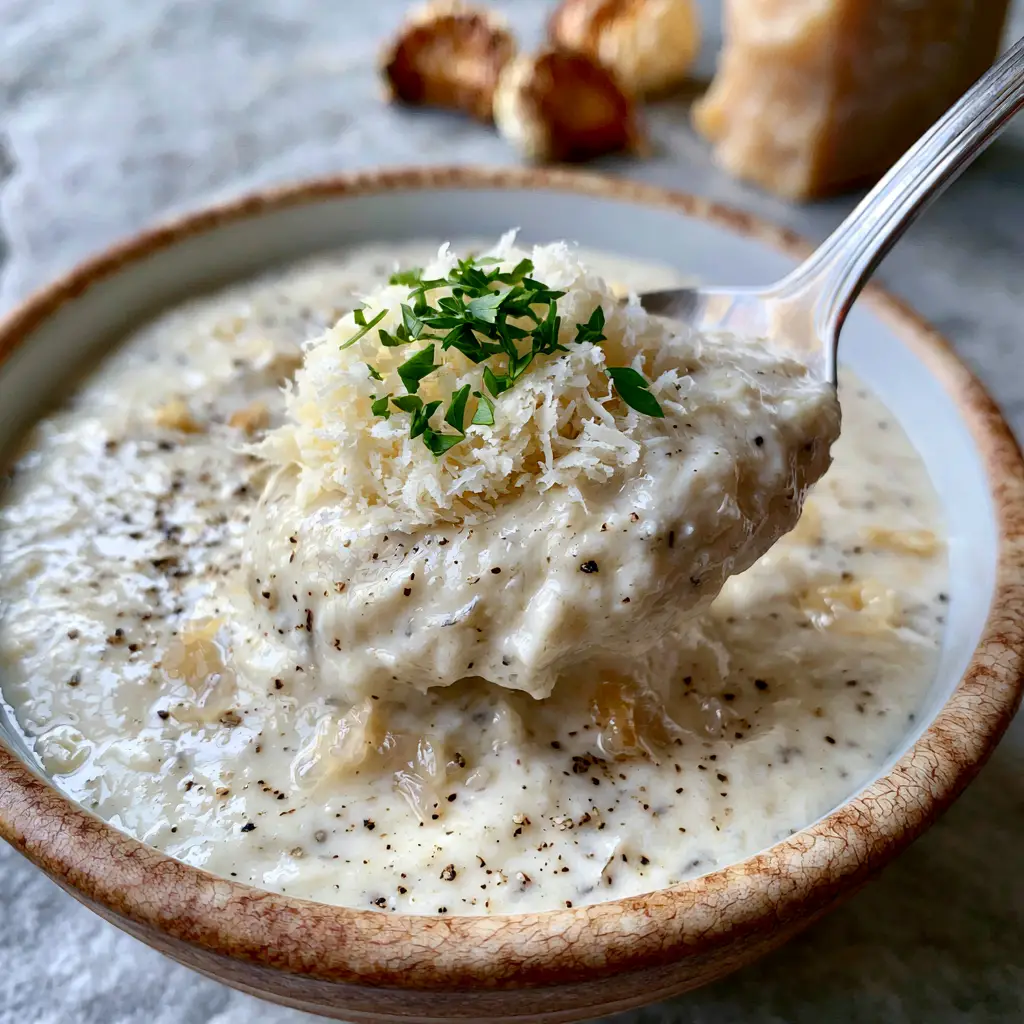
Allow the cream to simmer gently for about 5-7 minutes. During this time, the water evaporates, and the sauce naturally thickens. You will know it is ready when it coats the back of a silver spoon in a thick, velvety layer that doesn’t immediately run off.
The Art of the Cheese Integration
Turn the heat to the absolute lowest setting. This is the most critical step for a successful garlic parmesan sauce. If the heat is too high when you add the parmesan, the proteins will seize and create a grainy texture.
Add the 1.5 cups (150g) of micro-planed parmesan in three separate stages. Whisk constantly in a circular motion after each addition until the cheese is fully incorporated. The sauce should transition into a glossy, emulsified state that looks heavy and rich.
Final Seasoning and Visual Garnishing
Remove the pan from the heat entirely. Stir in the 1 tsp (2g) of freshly cracked black peppercorns and a pinch of sea salt. Taste the sauce carefully—the parmesan is naturally salty, so you may only need a very small amount of extra salt.
Transfer the sauce to a rustic ceramic bowl. Top it with an additional cloud of micro-planed parmesan and a delicate sprinkle of the 2 tbsp (8g) of finely chopped flat-leaf parsley. Serve immediately while the sauce is at its peak glossy texture.
Pro Secrets for a Flawless Garlic Parmesan Sauce
- Temperature Control: Never add cold cheese to boiling cream. The temperature shock is the primary cause of sauce separation.
- The Micro-Plane Advantage: The increased surface area of micro-planed cheese allows it to melt at lower temperatures, preserving the delicate flavors of the aged parmesan.
- Whisking Technique: Use a figure-eight motion with your whisk to ensure the garlic bits are evenly distributed and don’t settle at the bottom of the pan.
- Consistency Fix: If the sauce becomes too thick, whisk in a tablespoon of warm pasta water or extra cream to loosen the emulsion.
Storage and Reheating for Long-Lasting Freshness
This garlic parmesan sauce is best enjoyed immediately, but it can be stored in an airtight container in the refrigerator for up to 3 days. Because of the high fat content, the sauce will solidify into a thick paste when cold.
To reheat, place the sauce in a small saucepan over very low heat. Add a splash of heavy cream and whisk constantly as it warms. Do not use a microwave, as the localized high heat will cause the butter to separate from the cream, ruining the velvety texture.
Transforming Your Meals with This Rich Creamy Base
While this sauce is incredible on its own, it is also the perfect starting point for more complex dishes. You can easily pivot this recipe into a bright lemon garlic pasta sauce by adding a teaspoon of fresh lemon zest and a squeeze of juice at the very end.
For those who love a bit of heat, this sauce serves as the base for a cajun shrimp and steak alfredo pasta. Simply whisk in a tablespoon of blackened seasoning during the cream reduction phase. If you prefer a more rustic vegetable-forward dish, try layering this sauce over a roasted tomato and garlic ricotta pasta for a beautiful contrast of colors and textures.
Frequently Asked Questions
We do not recommend freezing this sauce. The dairy emulsion is delicate and will likely break during the thawing process, resulting in a watery, clumpy texture that is difficult to restore.
While you can, the sauce will be significantly thinner and less stable. Heavy cream’s high fat content is what creates the glossy, velvety texture and prevents the sauce from breaking when the cheese is added.
If the butter separates, remove the pan from the heat and vigorously whisk in a tablespoon of cold heavy cream or warm pasta water. The rapid temperature change and moisture can often pull the emulsion back together.
Fresh garlic cloves are essential. Avoid jarred minced garlic, as it often has an acidic preservative that can curdle the dairy and lacks the mellow sweetness of freshly sautéed cloves.
Graininess is usually caused by using pre-shredded cheese containing anti-caking agents or adding cheese to the sauce while the liquid is boiling. Always use micro-planed fresh cheese and integrate it over the lowest possible heat.
The Ultimate Garlic Parmesan Sauce Recipe Card
Garlic Parmesan Sauce: The Ultimate Velvety and Glossy Recipe Guide
Ingredients
Equipment
Method
- Melt butter in a saucepan over medium-low heat. Add minced garlic and sauté until translucent and aromatic, roughly 2-3 minutes. Do not brown.
- Pour in heavy cream. Simmer gently for 5-7 minutes until the liquid reduces and naturally thickens enough to coat the back of a spoon.
- Reduce heat to low. Gradually whisk in micro-planed parmesan in three batches until the sauce is glossy and perfectly smooth.
- Stir in cracked black pepper and sea salt. Transfer to a bowl and top with fresh parsley and an extra sprinkle of cheese.
Notes
Reheat only on the stovetop over low heat to prevent the emulsion from breaking.
Elevate Your Home Cooking Today
Mastering this garlic parmesan sauce is a rite of passage for any enthusiastic home cook. The combination of high-quality aged cheese and a stabilized cream emulsion creates a dining experience that rivals the best Italian bistros. We encourage you to experiment with your favorite pasta shapes or even use it as a decadent white pizza base.
If you enjoyed this recipe, please leave a comment below and let us know how it turned out! Don’t forget to sign up for our newsletter for more professional culinary deep dives, and share your glossy sauce photos with us on Pinterest.