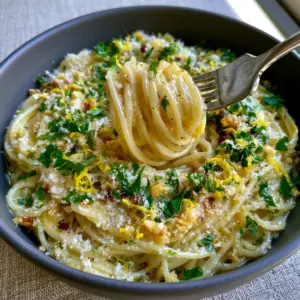
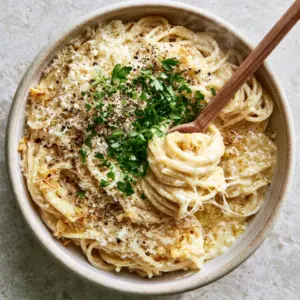
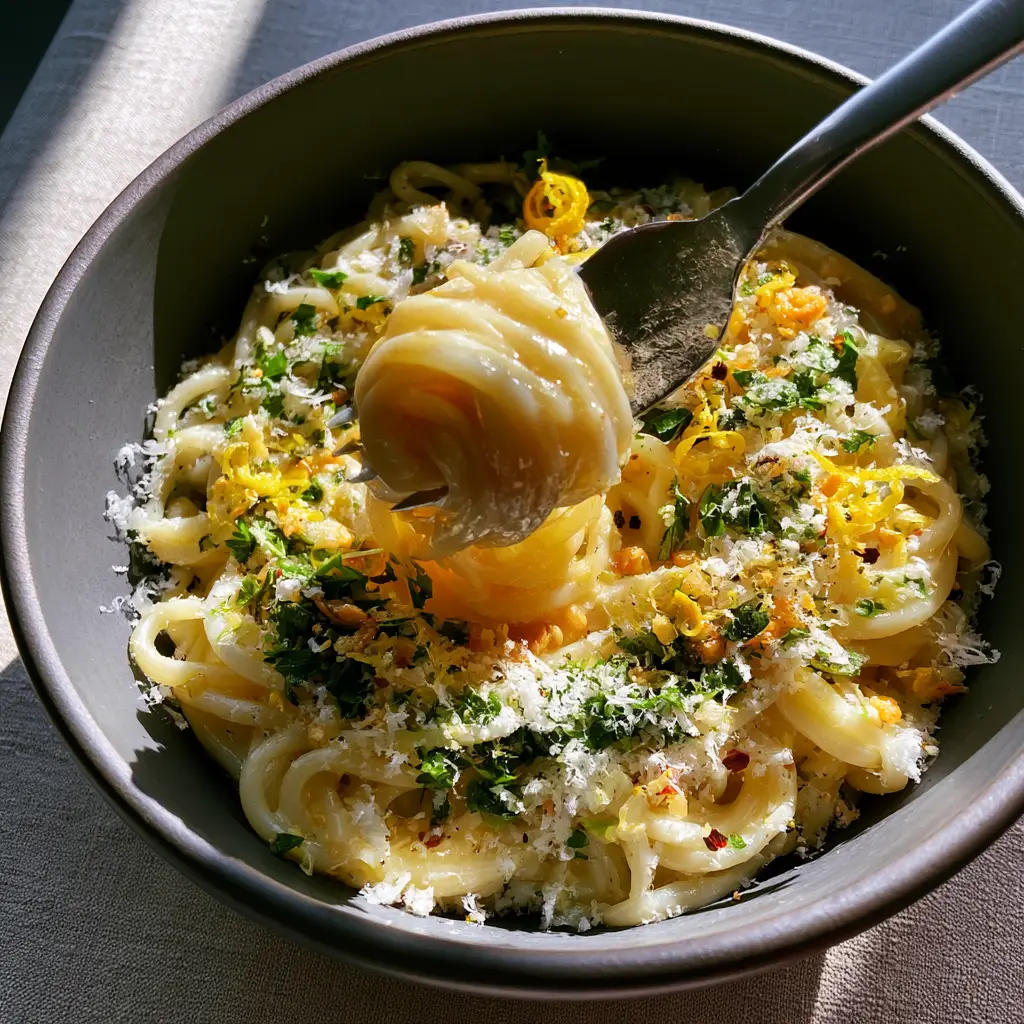
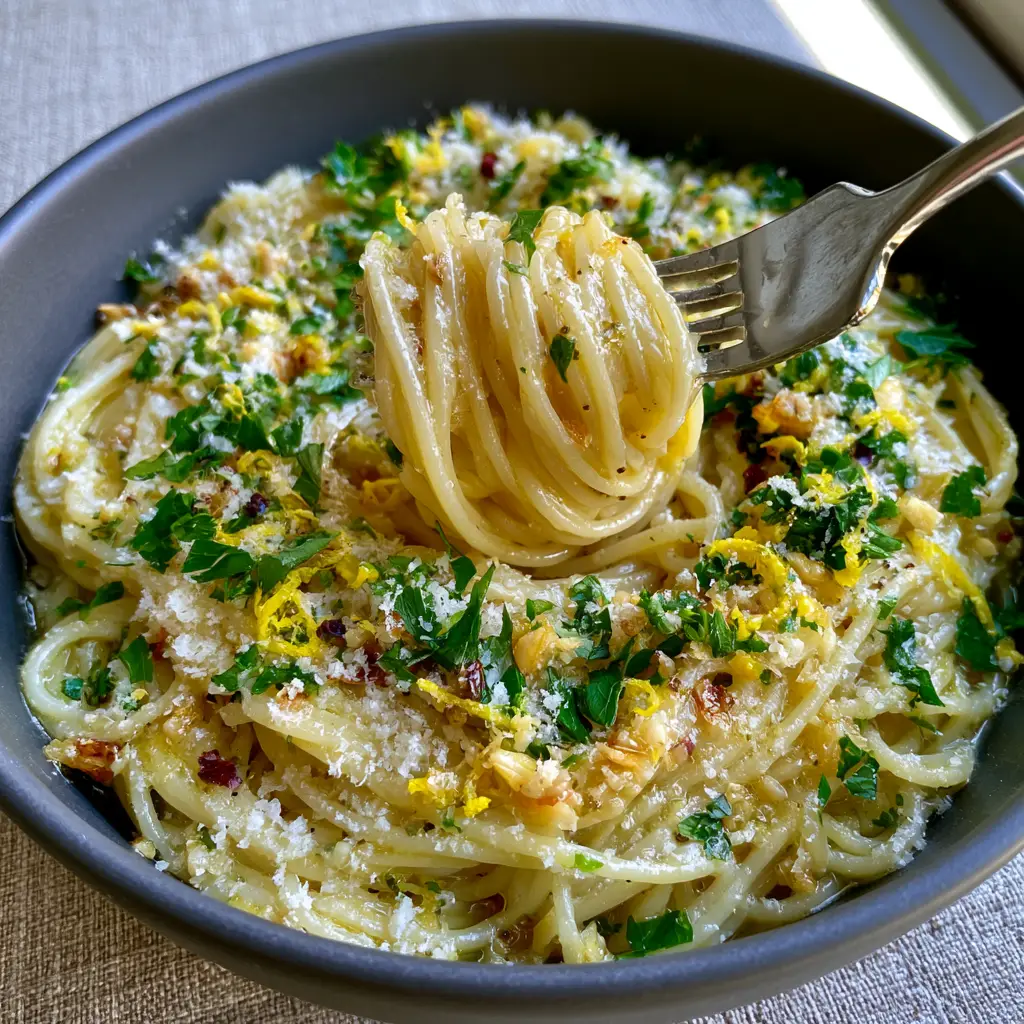
There is a specific kind of magic that happens when high-quality fat, sharp citrus, and pungent aromatics collide in a hot pan. This lemon garlic pasta sauce isn’t just a recipe; it is a masterclass in emulsion and temperature control. Imagine a shallow matte charcoal ceramic bowl, its dark surface providing the perfect contrast to a mountain of glossy, al dente spaghetti. Each strand is heavily coated in a shimmering, golden-yellow sauce that looks rich, silky, and impossibly vibrant. This is the dish that turns a few pantry staples into a five-star culinary experience.
When you lift a rustic silver fork to twirl a large, glistening portion of pasta, you should see the sauce clinging to the noodles without a drop of separated oil. The visual appeal is completed by a generous dusting of micro-planed fluffy parmesan cheese that looks like fallen snow, punctuated by emerald-green chopped parsley and bright yellow lemon zest curls. In this guide, we will walk through the forensic culinary steps required to achieve this exact result, ensuring your home-cooked meal looks just like a professional handheld smartphone photo caught in soft, natural daylight.
Why This Vibrant Citrus Emulsion Works
- Perfect Emulsification: We utilize starchy pasta water to bind the golden butter and lemon juice, creating a sauce that is thick enough to coat the spaghetti without feeling heavy.
- Layered Garlic Textures: By sautéing minced garlic until just golden, we achieve a nutty sweetness that balances the sharp acidity of the lemon.
- Sensory Contrast: The heat of red pepper flakes and the bite of cracked black pepper cut through the richness of the butter, while the fluffy parmesan adds a savory, umami finish.
- Visual Sophistication: The use of lemon zest curls rather than just fine zest provides a pop of color and a concentrated burst of citrus oil that elevates the presentation.
Essential Components for the Ultimate Sauce
Dried Spaghetti: 1 lb (454g) of high-quality bronze-cut spaghetti is essential because its rough surface helps the lemon garlic pasta sauce cling to every inch of the noodle. Look for pasta that has a slightly dusty, white appearance in the package.
Unsalted Butter: 1/2 cup (113g) of high-quality European-style butter provides the fat base. We use unsalted to have total control over the seasoning profile, allowing the parmesan and pasta water to provide the necessary salinity.
Fresh Garlic: 6 cloves (approx. 30g) of garlic, finely minced. The garlic must be fresh, not pre-jarred, to ensure it softens into the butter and releases its natural sugars during the sautéing process.
Fresh Lemons: You will need 2 large lemons to produce 2 tbsp (30ml) of juice and a generous amount of bright yellow lemon zest curls. The acidity is the backbone of this dish, cutting through the butter to brighten the palate.
Micro-planed Parmesan Cheese: 1/2 cup (45g) of Parmigiano Reggiano, grated on the finest setting. This creates the “fluffy” texture seen in the visual blueprint, allowing the cheese to melt instantly into the sauce upon contact.
Fresh Parsley: 1/4 cup (15g) of finely chopped fresh Italian flat-leaf parsley. This adds the vibrant emerald-green color and a refreshing herbaceous note that balances the savory elements.
Aromatics and Spices: 1 tsp (2g) of red pepper flakes and 1/2 tsp (1g) of freshly cracked black pepper. These provide the scattered “tiny bits” of heat and texture that make the dish visually and culinarily complex.
Pasta Cooking Water: 1 cup (240ml) of reserved starchy water. This “liquid gold” is the secret to turning fat and acid into a cohesive, shimmering sauce.
Foundational Tools for Restaurant-Quality Results
To achieve the specific textures described in our visual blueprint, you will need a few specific tools. A microplane grater is non-negotiable for achieving that cloud-like parmesan and the delicate zest curls. A large stainless steel skillet or sauté pan is preferred over non-stick, as it allows for better heat distribution when sautéing the garlic to a perfect golden hue. Finally, use a rustic silver fork for serving to match the aesthetic of a high-end social media food photograph.
Mastering the Art of the Golden Sauté and Sauce Emulsion
Prepping the Aromatics and Pasta
Begin by bringing a large pot of heavily salted water to a boil. Add 1 lb (454g) of spaghetti and cook for 2 minutes less than the package directions for al dente. While the pasta cooks, mince your garlic and chop the parsley finely. Use a zester or a sharp paring knife to create long lemon zest curls, setting them aside for the final garnish.
Sautéing the Garlic to Golden Perfection
In your large skillet, melt the 1/2 cup (113g) of butter over medium-low heat. Once the butter begins to foam, add the minced garlic and red pepper flakes. Watch closely; you want the garlic to turn a pale golden yellow, not brown. As soon as you smell that nutty, sweet aroma, whisk in 2 tbsp (30ml) of lemon juice to stop the cooking process of the garlic.
Creating the Shimmering Emulsion
Just before the pasta is finished, ladle out 1 cup (240ml) of the starchy cooking water. Increase the skillet heat to medium and slowly whisk in half of the pasta water. The sauce will begin to bubble and thicken. This is the foundation of your shimmering, golden-yellow lemon garlic pasta sauce. The starch in the water acts as a bridge between the fat of the butter and the acid of the lemon.
The Final Assembly and Coating
Using tongs, transfer the spaghetti directly from the water into the skillet. Toss vigorously for 1-2 minutes, adding more pasta water as needed until the noodles are heavily coated and the sauce looks rich and silky. Remove from heat and fold in half of the chopped parsley. The residual heat will wilt the parsley just enough to release its oils without losing its vibrant color.
Expert Tips for Success
- Control the Heat: Garlic can turn from sweet to bitter in seconds. If your garlic is browning too quickly, remove the pan from the heat immediately and add a splash of water to lower the temperature.
- Wait for the Cheese: Never add the fluffy parmesan while the pan is over high heat, or the cheese will clump. Add it only once the pasta is plated to maintain that delicate, snowy visual.
- The Water Secret: If the sauce looks oily or broken, add a tablespoon of pasta water and toss again. The starch is the “glue” that creates the emulsified texture seen in professional food photography.
- Zest Technique: For the most beautiful lemon zest curls, use a traditional citrus channel knife or carefully peel thin strips of zest and slice them into needles.
Variations to Explore
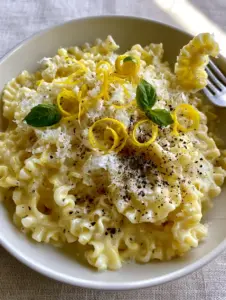
If you love the bright notes of this dish but want a different texture, you might enjoy a lemon ricotta pasta which offers a creamier, cheese-forward mouthfeel. For those who prefer a more traditional dairy-heavy base, a creamy lemon garlic pasta incorporates heavy cream for a thicker finish. If you are looking for a more vegetable-forward option, our lemon spinach pasta adds a punch of iron and color to the mix. For a different pasta shape altogether, the mafaldine pasta limone uses ruffled ribbons to catch even more of that delicious sauce.
Preserving the Brightness: Storage and Reheating
This lemon garlic pasta sauce is best enjoyed immediately while the emulsion is at its peak. However, if you have leftovers, store them in an airtight container in the refrigerator for up to 3 days. To reheat, do not use the microwave as it will break the butter sauce. Instead, place the pasta in a skillet with a splash of water or broth over medium-low heat. Toss constantly until the sauce re-emulsifies and becomes glossy again. Refresh the dish with a squeeze of fresh lemon and a new dusting of fluffy parmesan before serving.
Elevating the Meal: What to Serve Alongside
To round out this meal, serve it with a crisp green salad or roasted vegetables. The acidity of the lemon garlic pasta sauce pairs beautifully with the earthy tones of roasted tomato and garlic. If you want to add a protein, consider serving this alongside a blackened cajun salmon for a spicy contrast, or keep it light with a side that mirrors the citrus notes, like a spring pea and lemon salad.
Frequently Asked Questions
Yes, this sauce pairs beautifully with sautéed shrimp, grilled chicken, or blackened salmon. Add the cooked protein at the very end when tossing the pasta in the skillet.
It is not recommended. Fresh lemon juice provides the necessary acidity and brightness, and you need the fresh zest curls for the essential oils and visual appeal that bottled juice lacks.
The key is emulsification using starchy pasta water. Whisk the water into the butter and lemon juice over medium heat until it forms a cohesive, shimmering liquid before adding the pasta.
Use a microplane grater or the finest holes on a box grater. Grating the cheese right before serving ensures it stays airy and melts perfectly into the hot pasta.
Garlic becomes bitter if it is burnt. Ensure you sauté it over medium-low heat and only until it reaches a pale golden color. Immediately add lemon juice to stop the cooking process.
The Ultimate Lemon Garlic Pasta Sauce Recipe
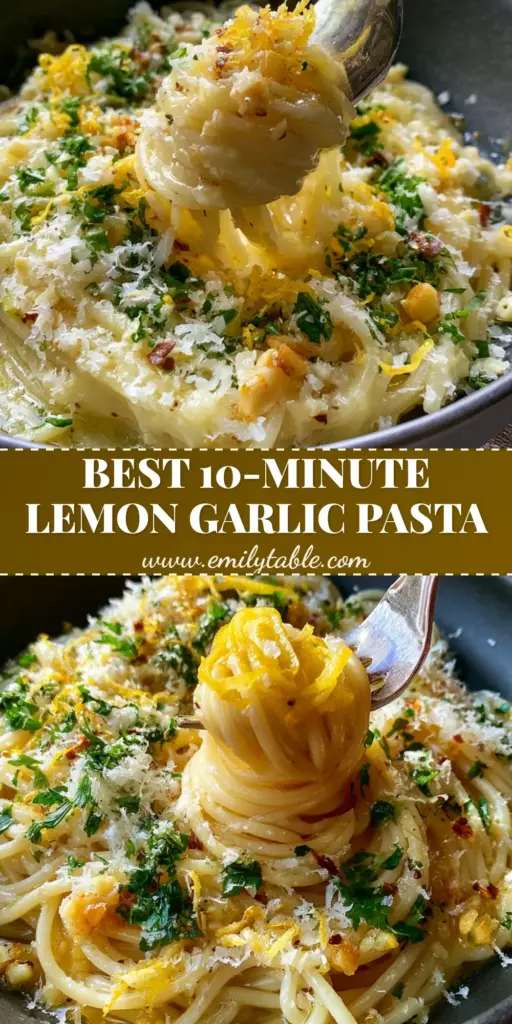
Lemon Garlic Pasta Sauce: The Secret to Silky, Golden Emulsified Perfection
Ingredients
Equipment
Method
- Bring a large pot of salted water to a boil and cook spaghetti until 2 minutes before al dente. Reserve 1 cup of pasta water before draining.
- Mince the garlic, chop the parsley, and create long lemon zest curls while the pasta boils.
- Melt butter in a large skillet over medium-low. Add minced garlic and red pepper flakes, sautéing until pale golden and fragrant.
- Add lemon juice and 1/2 cup of reserved pasta water to the skillet. Whisk until the sauce is shimmering and golden-yellow.
- Add the spaghetti to the skillet. Toss vigorously, adding more pasta water as needed, until the pasta is glossy and heavily coated.
- Remove from heat. Fold in parsley. Plate in matte charcoal bowls and top with fluffy parmesan, lemon zest curls, and extra cracked black pepper.
Notes
Always zest the lemon before juicing for easier handling.
Conclusion and Community Favorites
Creating a restaurant-quality lemon garlic pasta sauce at home is a rewarding experience that relies on simple techniques and high-quality ingredients. The combination of golden sautéed garlic, shimmering butter, and bright lemon zest curls creates a visual and culinary masterpiece that is sure to impress. If you enjoyed this recipe, please leave a comment below and share your results! You can find more visual inspiration and save this recipe to your boards by following Pinterest.