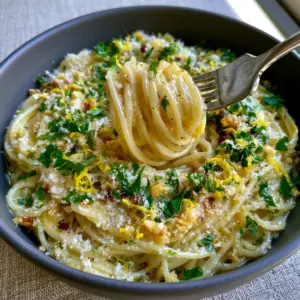
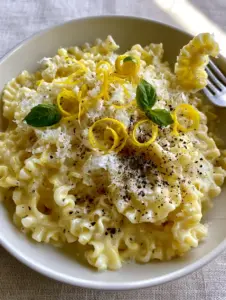
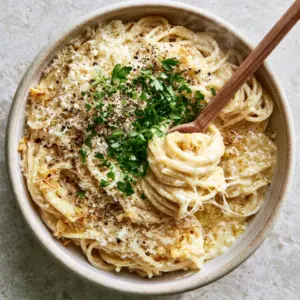
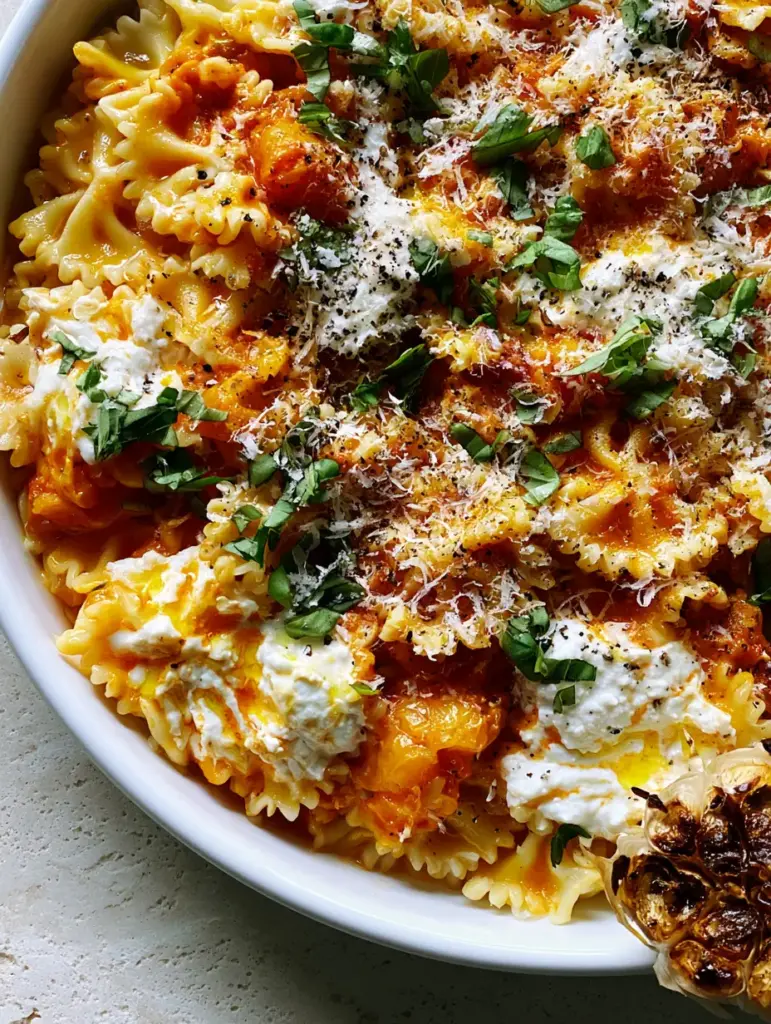
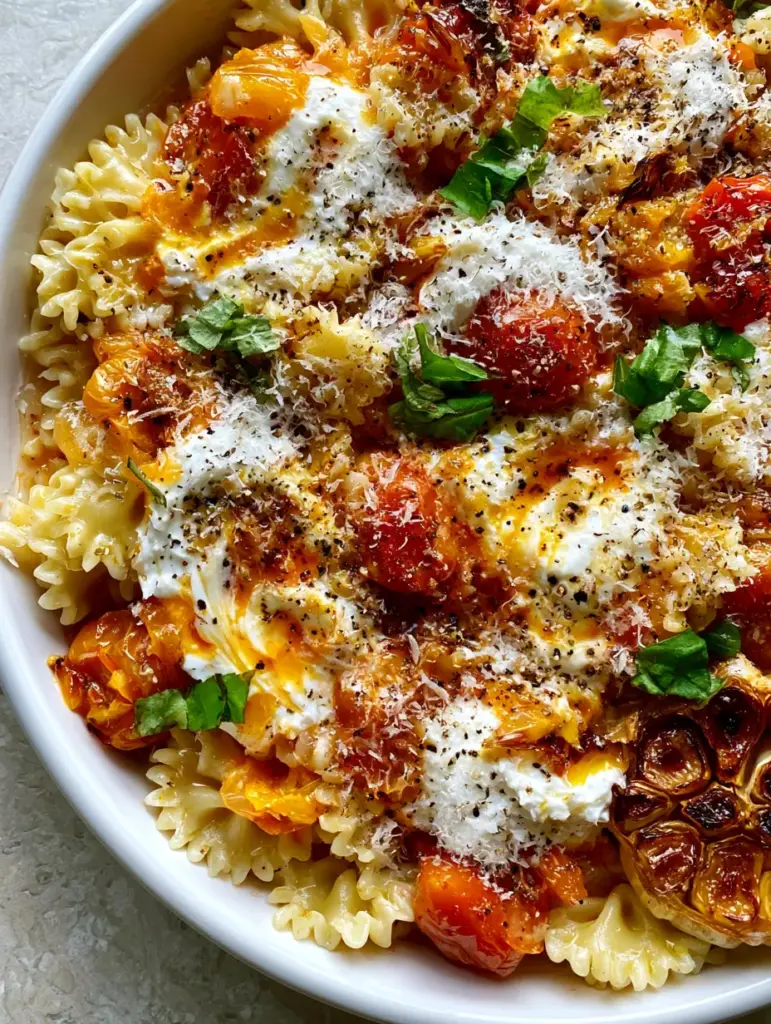
There is a specific kind of culinary magic that happens when high heat meets the humble cherry tomato. This Roasted Tomato and Garlic Ricotta Pasta isn’t just a meal; it is a visual and sensory masterpiece that captures the essence of a sun-drenched afternoon. Imagine ribbons of al dente mafaldine pasta coated in a high-gloss olive oil emulsion, interspersed with burst, jammy tomatoes and golden nuggets of roasted garlic.
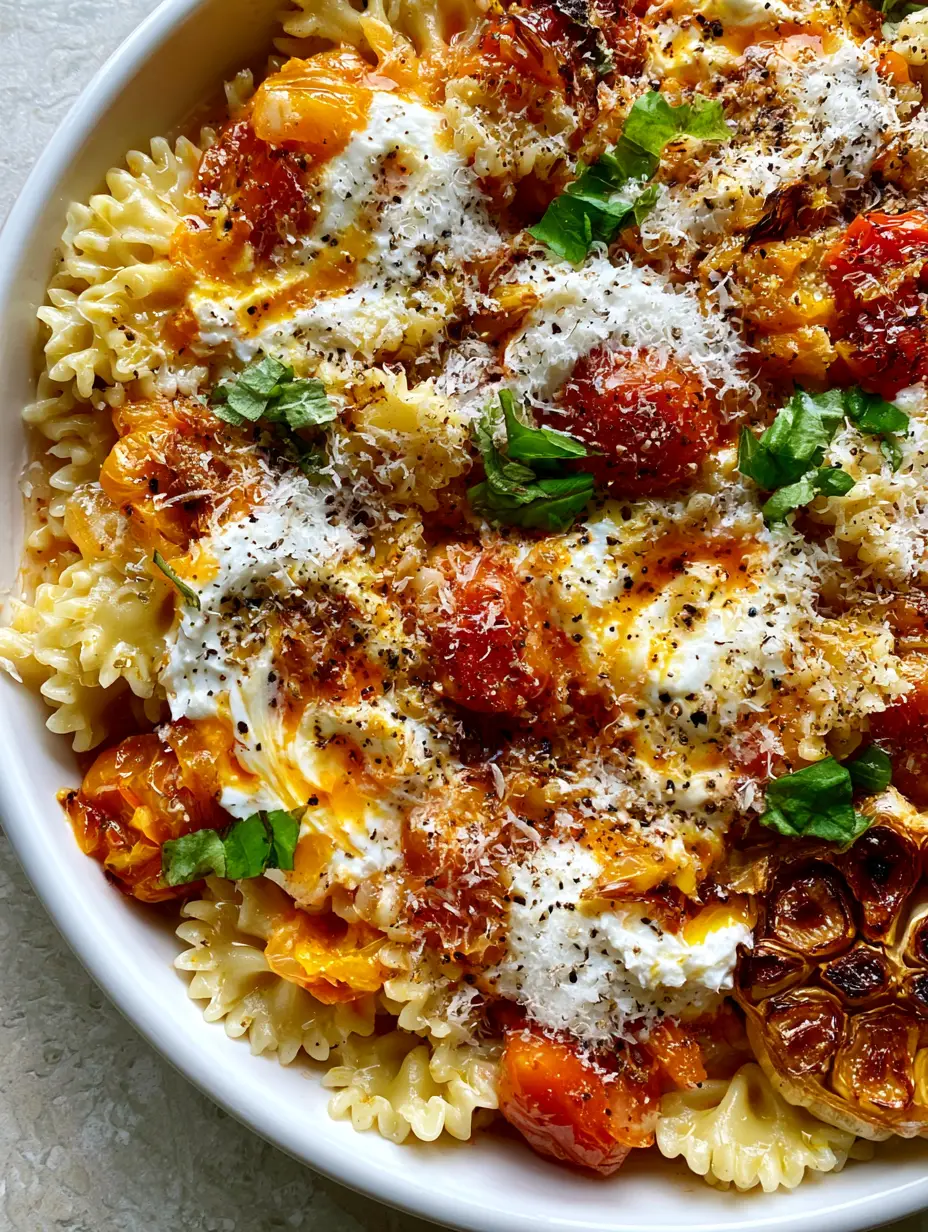
The beauty of this dish lies in the contrast of textures. You have the structural integrity of the ruffled pasta edges, the snowy white dollops of creamy ricotta creating a marble effect, and the sharp, salty bite of micro-planed parmesan. It is a dish designed for the eyes as much as the palate, perfectly mimicking a rustic, handheld smartphone photo taken in soft, natural window light.
Whether you are looking for a sophisticated weeknight dinner or a centerpiece for a casual gathering, this pasta delivers. The combination of caramelized garlic and acidic tomatoes creates a depth of flavor that tastes like it took hours to develop, yet it comes together on a single ceramic sheet pan. Let’s dive into the details of how to achieve this vibrant, restaurant-quality result at home.
Why You Will Crave This Roasted Tomato and Garlic Ricotta Pasta
- The “Jammy” Factor: By roasting the cherry tomatoes until they burst, we create a natural, concentrated sauce that clings to every ruffle of the mafaldine.
- Textural Harmony: The transition from the firm pasta to the pillowy ricotta dollops provides a luxurious mouthfeel that keeps every bite interesting.
- Aromatic Depth: Using both roasted whole cloves and a caramelized garlic head ensures a sweet, mellow garlic flavor without any harshness.
- Effortless Elegance: This recipe utilizes a sheet-pan method that minimizes cleanup while maximizing the “wow” factor of the final presentation.
The Essential Components for Culinarily Perfect Pasta
To achieve the exact visual and flavor profile of this Roasted Tomato and Garlic Ricotta Pasta, each ingredient must be selected with intention. We aren’t just making a sauce; we are building layers of flavor and texture that respond to heat and emulsification.
The Pasta Selection: Why Mafaldine Matters
Mafaldine, also known as Reginette, features long, flat ribbons with ruffled edges. These ridges are scientifically designed to “trap” the vibrant orange tomato juices and the olive oil emulsion, ensuring no flavor is left on the plate. If you cannot find mafaldine, a wide pappardelle is a suitable substitute, though you lose the specific visual aesthetic of the ruffled edges.
The Produce: Jammy Tomatoes and Sweet Garlic
You will need 3 cups (450g) of cherry tomatoes. Their high sugar content and thin skins allow them to blister and collapse into a “jammy” consistency under the broiler. We also use 2 entire heads of garlic—one separated into whole cloves for tossing with the pasta, and one left whole to be roasted into a caramelized garnish.
The Creamy Elements: Ricotta and Parmesan
Use a high-quality, whole-milk ricotta (1 cup / 250g) for those snowy white dollops. It should be thick enough to hold its shape rather than melting completely into the sauce. For the salty finish, micro-planed parmesan cheese (1/2 cup / 45g) creates a heavy dusting that looks like light snowfall across the vibrant red and green colors of the dish.
Foundational Science: The Olive Oil Emulsion
Extra virgin olive oil is the bridge here. We use 1/2 cup (120ml) to roast the vegetables and later combine it with starchy pasta water. This creates the high-gloss sheen seen on the pasta edges in the visual blueprint, binding the acidic tomato juice to the fats in the cheese.
Professional Tools for the Home Kitchen
To replicate the macro shot aesthetic, you need the right gear. A large white ceramic sheet pan is non-negotiable for that clean, neutral background and even heat distribution. A micro-plane grater is essential for achieving that ultra-fine, gossamer texture of parmesan cheese that sits atop the pasta without weighing it down.
Additionally, a heavy-bottomed pasta pot is required to maintain a consistent boil, ensuring your mafaldine reaches that perfect al dente snap. A pair of silicone-tipped tongs will help you toss the pasta without breaking the delicate ruffled edges or prematurely mashing the jammy tomatoes.
Step-by-Step Instructions to Culinary Excellence
Step 1: The Sheet Pan Transformation
Preheat your oven to 400°F (200°C). On your white ceramic sheet pan, spread out the cherry tomatoes and the peeled whole garlic cloves. Cut the top off the remaining garlic head to expose the cloves, drizzle with oil, and place it in the corner of the pan.
Drizzle the tomatoes and cloves with 1/4 cup (60ml) of olive oil, a generous pinch of sea salt, and cracked black pepper. Roast for 20-25 minutes. Look for the visual cue: the tomatoes should be shriveled and “bursting,” releasing their orange juices, while the garlic cloves should be a deep, melted golden brown.
Step 2: Mastering the Al Dente Mafaldine
While the vegetables roast, bring a large pot of salted water to a rolling boil. Add 1 lb (450g) of mafaldine pasta. Cook for approximately 8-10 minutes, or until the pasta is “al dente”—firm to the bite but fully cooked through.
Crucial Step: Before draining, reserve 1 cup (240ml) of the starchy pasta water. This liquid gold is the secret to the emulsion. Drain the pasta and immediately transfer it to the sheet pan with the roasted tomatoes and garlic cloves.
Step 3: Creating the Marble Effect and Gloss
Pour 1/2 cup (120ml) of the reserved pasta water and the remaining 1/4 cup (60ml) of olive oil over the pasta on the sheet pan. Use your tongs to toss everything gently. You will see the orange tomato juices mix with the water and oil to form a vibrant, high-gloss sauce.
Once the pasta is coated, take your ricotta. Using two small spoons, place thick dollops of snowy white ricotta throughout the pan. Gently swirl them into the pasta just once or twice to create that stunning marble effect with the orange juices, ensuring the ricotta remains in distinct clumps.
Step 4: The Final Flourish and Garnishing
Garnish the dish with a heavy dusting of micro-planed parmesan cheese, focusing on the areas between the ricotta dollops. Scatter a handful of bright green torn fresh basil leaves across the top. The heat from the pasta will slightly wilt the basil, releasing its aroma.
Finish with a final crack of black pepper and an extra drizzle of olive oil for that handheld smartphone photo-ready sheen. The caramelized garlic head in the corner serves as both a garnish and a spreadable treat for crusty bread.
Expert Tips for a Picture-Perfect Pasta
- Temperature Control: Ensure your ricotta is slightly chilled when dolloping. If it’s too warm, it will melt into the sauce rather than staying as visible snowy white mounds.
- Emulsion Success: If the sauce looks dry, add the reserved pasta water one tablespoon at a time. The goal is a high-gloss sheen, not a watery pool at the bottom of the pan.
- Basil Timing: Only tear the basil at the very last second. Tearing by hand prevents the edges from bruising and turning black, keeping that vibrant green color against the pasta.
- The Sheet Pan Advantage: Serving directly from the sheet pan not only looks rustic and beautiful but also keeps the pasta warmer for longer due to the ceramic’s heat retention.
Storage, Reheating, and Make-Ahead Advice
This Roasted Tomato and Garlic Ricotta Pasta is best enjoyed immediately to preserve the texture of the ricotta dollops. However, if you have leftovers, store them in an airtight container in the refrigerator for up to 3 days. The flavors of the garlic and tomato will actually deepen over time.
When reheating, do so gently in a skillet over medium-low heat. Add a splash of water or a drizzle of lemon garlic sauce to loosen the emulsion. Avoid the microwave if possible, as it can cause the ricotta to become grainy and the olive oil to separate.
Elevate the Meal: What to Serve Alongside
To round out this meal, consider serving it with a crisp green salad or a side of charred crusty bread to soak up the leftover tomato juices. If you’re looking for more inspiration, this dish pairs beautifully with the flavors found in our creamy garlic tomato pasta or even a light tomato burrata salad for a summer feast.
For those who love a bit of acidity, a squeeze of lemon over the final dish mimics the bright notes in our lemon ricotta pasta. If you want to add protein, some grilled shrimp or chicken seasoned with garlic parmesan sauce would be a natural fit.
Common Questions About Sheet Pan Pasta
Yes, you can use pappardelle or fettuccine, but mafaldine is preferred for its ruffled edges that hold the jammy tomato sauce and oil emulsion perfectly.
Roast them at a high temperature (400°F/200°C) with plenty of olive oil until they burst and release their juices, which then concentrate into a thick, jam-like consistency.
No! The caramelized cloves inside are soft and sweet. Squeeze them out and spread them onto crusty bread or mix them directly into your pasta bowl for extra flavor.
Pasta water contains starch that acts as a binder, helping the olive oil and tomato juices emulsify into a glossy sauce that clings to the pasta.
To keep the snowy white dollops visible, ensure the ricotta is cold when added and only swirl it gently into the pasta rather than stirring it vigorously.
Roasted Tomato and Garlic Ricotta Pasta Recipe
Roasted Tomato and Garlic Ricotta Pasta with Jammy Cherry Tomatoes
Ingredients
Equipment
Method
- Preheat oven to 400°F (200°C). On a white ceramic sheet pan, toss cherry tomatoes and peeled garlic cloves with 1/4 cup olive oil and salt.
- Place the whole garlic head (top cut off) in the corner. Roast for 25 minutes until tomatoes are burst and jammy.
- Cook mafaldine in salted water until al dente. Reserve 1 cup of pasta water before draining.
- Add pasta to the sheet pan. Toss with remaining olive oil and reserved water to create a high-gloss sheen.
- Dollop ricotta to create a marble effect. Top with micro-planed parmesan, cracked pepper, and torn basil.
Notes
Reserve more pasta water than you think you need to adjust the sauce glossiness.
Closing & Call to Action
This Roasted Tomato and Garlic Ricotta Pasta is a testament to the power of simple, high-quality ingredients treated with care. The combination of jammy tomatoes, caramelized garlic, and creamy ricotta creates a flavor profile that is both comforting and sophisticated. We hope this recipe brings a little bit of golden afternoon light into your kitchen!
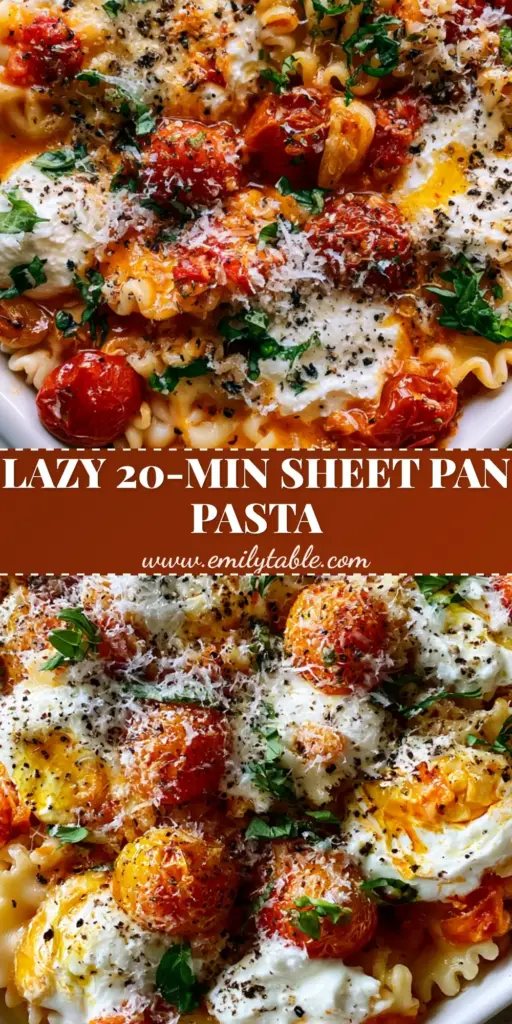
If you enjoyed this recipe, please leave a comment below and let us know how it turned out! Don’t forget to share your creations on Instagram and tag us. For more visually stunning recipe inspiration, follow us on Pinterest and save this pin to your favorite dinner boards.