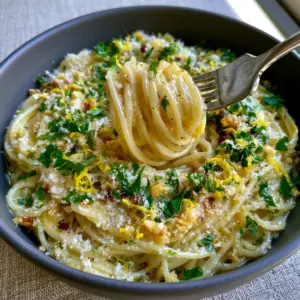
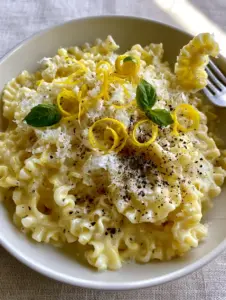
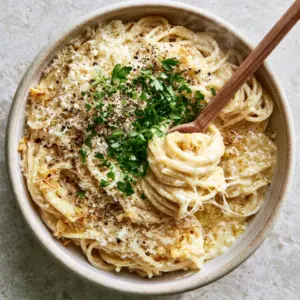
There is a specific kind of magic that happens when high-quality linguine meets the bright, acidic punch of fresh citrus and the earthy depth of toasted garlic. This Lemon Spinach Pasta isn’t just a quick weeknight meal; it is a masterclass in minimalist Italian-inspired technique, resulting in a dish that looks as vibrant as it tastes.
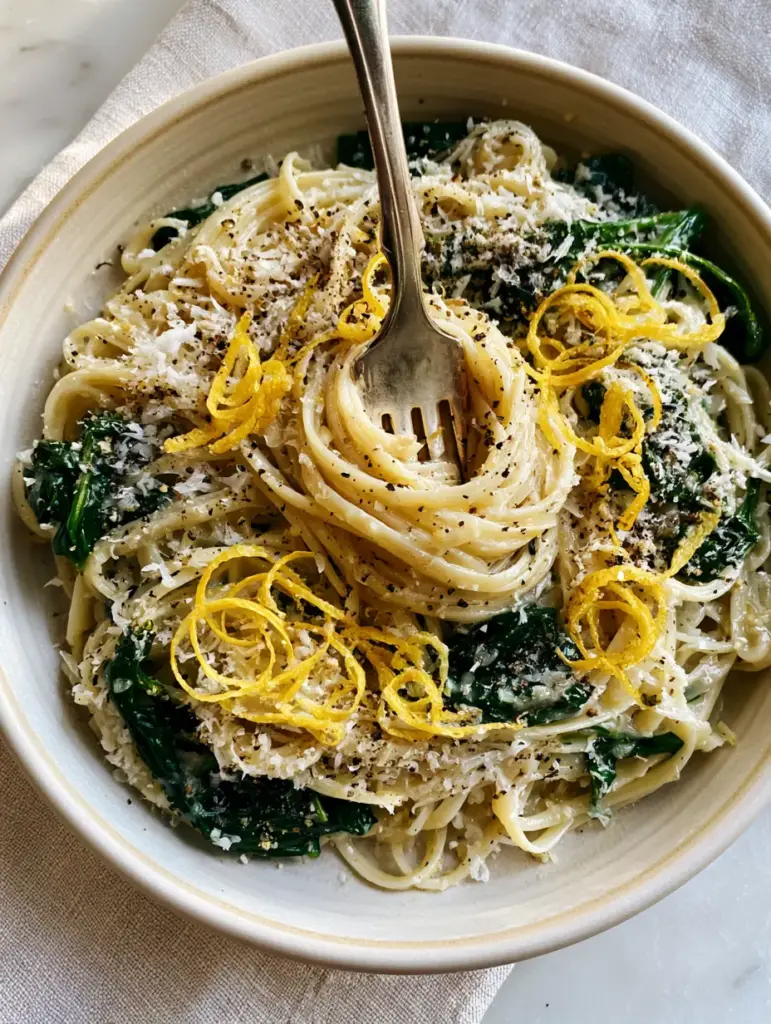
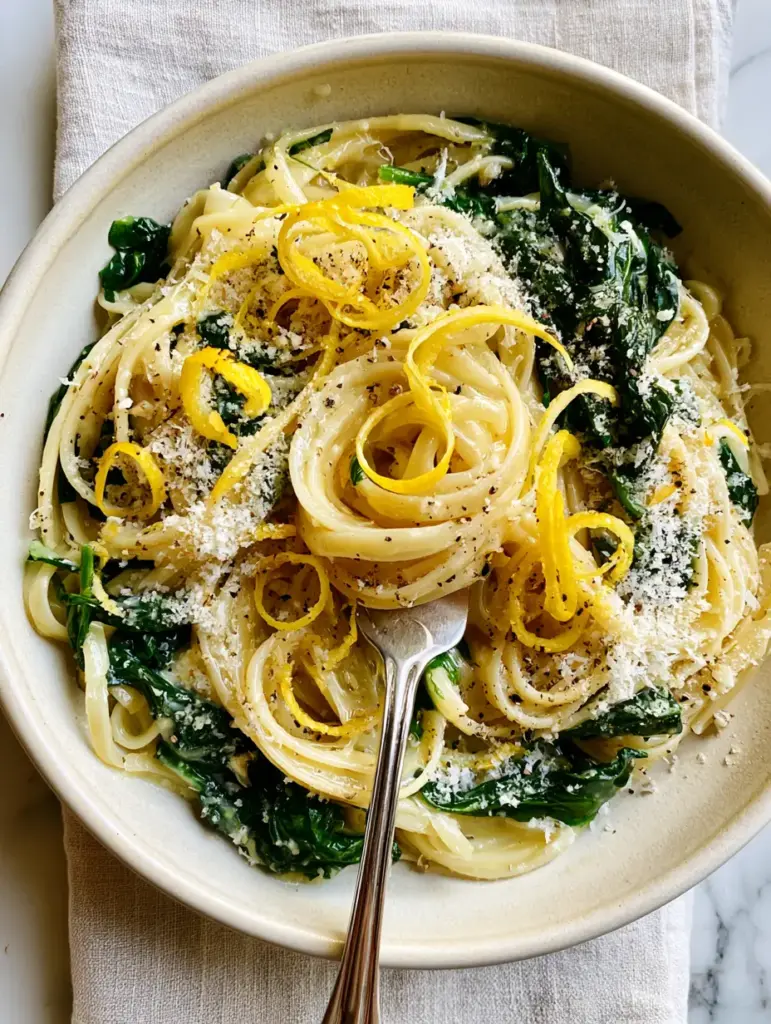
Imagine a matte cream-colored ceramic bowl piled high with al dente strands. Each noodle is coated in a glossy, translucent lemon-garlic emulsion that catches the morning light, punctuated by hand-torn vibrant green baby spinach and topped with a cloud-like dusting of micro-planed parmesan cheese.
Whether you are looking for a refreshing lunch or an elegant dinner, this recipe delivers on the promise of restaurant-quality textures. We are focusing on sensory cues—the sizzle of garlic turning golden, the citrus aroma filling your kitchen, and the perfect “twirl-ability” of the sauce.
Why This Vibrant Citrus Pasta Works Every Single Time
- The Glossy Emulsion: Unlike heavy cream sauces, this translucent glaze relies on the science of starch and fat to create a coating that is light yet luxurious.
- Textural Contrast: We pair soft, wilted baby spinach with the crunch of golden toasted garlic bits and the bite of coarse cracked black pepper.
- Visual Sophistication: Long curls of bright yellow lemon zest and fluffy parmesan create a professional plating aesthetic right in your home kitchen.
- Speed and Efficiency: From the moment you salt your water to the final twirl of the fork, you are looking at a 20-minute transformation of pantry staples.
The Building Blocks of a Bright Citrus Emulsion
To achieve the specific visual of a glossy, translucent sauce, every ingredient serves a functional purpose. We aren’t just adding flavor; we are building a structural emulsion.
Linguine (16 oz / 450g): The flat, narrow surface area of linguine is superior to spaghetti for this recipe as it provides more “grip” for the lemon-garlic glaze to cling to. Use a high-quality bronze-cut pasta for maximum starch release.
Baby Spinach (5 oz / 140g): We use fresh baby spinach, hand-torn into the folds of the pasta. This ensures the greens are tender and integrated rather than clumping together in large, wet masses.
Extra Virgin Olive Oil (1/4 cup / 60ml): This is the fat base for our toasted garlic. Use a fruity, high-quality oil as its flavor will be front and center in the final sauce.
Fresh Garlic (6 cloves): We thinly slice these to create those signature “golden toasted garlic bits.” Slicing rather than mincing prevents the garlic from burning too quickly and provides a better textural pop.
Fresh Lemons (2 large): You will need both the juice for acidity and the zest for aromatic oils. The “long zest curls” mentioned in the visual blueprint are essential for that bright, professional finish.
Unsalted Butter (2 tbsp / 30g): While the olive oil provides the base, a small amount of cold butter at the end helps “mount” the sauce, giving it that glossy, translucent sheen that catches the light.
Parmesan Cheese (1/2 cup / 45g): It must be micro-planed. This creates the “heavy dusting of fluffy parmesan” that melts instantly into the heat of the pasta, adding umami without grittiness.
Coarse Cracked Black Pepper: Avoid pre-ground pepper here. Large granules provide a sharp, pungent contrast to the bright lemon notes.
Essential Tools for Professional Plating
Achieving the look of an elite food blog photo requires the right equipment. To get those long curls of zest, a channel knife or a sharp vegetable peeler followed by a fine knife is required. For the cheese, a Microplane grater is non-negotiable; standard box graters produce shreds that are too heavy to achieve that “fluffy” visual.
A large stainless steel skillet is preferred over non-stick for this recipe. The stainless steel allows for better heat distribution when toasting the garlic, and the light color of the pan helps you monitor the garlic’s transition from translucent to golden-brown.
Mastering the Art of Wilted Greens and Al Dente Linguine
1. Preparing the Pasta Foundation
Bring a large pot of water to a rolling boil and season it heavily with salt—it should taste like the sea. Add the 16 oz (450g) of linguine, stirring occasionally to prevent sticking. Cook the pasta for exactly 1-2 minutes less than the package directions for “al dente.”
Crucial Step: Before draining, reserve 1 cup (240ml) of the cloudy pasta water. This liquid gold contains the starches necessary to turn your lemon juice and oil into a cohesive, glossy emulsion.
2. Toasting the Garlic to Golden Perfection
While the pasta cooks, place your 1/4 cup (60ml) of olive oil in a cold skillet and add the thinly sliced garlic. Turn the heat to medium-low. This “cold start” allows the garlic to infuse the oil gradually without scorching.
Watch for the sensory cues: listen for a gentle sizzle and wait for the aroma to turn sweet and nutty. Once the garlic bits are a light golden-brown and slightly crisp, remove the skillet from the heat immediately. Garlic continues to cook in residual oil and can turn bitter in seconds.
3. Building the Glossy Lemon Emulsion
Return the skillet to low heat. Add 1/2 cup (120ml) of your reserved pasta water and the juice of one lemon (approx. 3 tbsp / 45ml). Whisk vigorously. The starch in the water will begin to bind with the oil, creating a translucent, slightly thickened liquid.
Add the hot linguine directly into the skillet. Using tongs, toss the pasta continuously. This mechanical action, combined with the heat, encourages the sauce to coat every strand. If it looks dry, add more pasta water 1 tablespoon (15ml) at a time.
4. Incorporating the Hand-Torn Spinach
Add the 5 oz (140g) of hand-torn baby spinach and the 2 tbsp (30g) of cold butter. Continue to toss. The residual heat of the pasta will wilt the spinach into vibrant green ribbons within 30-60 seconds.
The sauce is ready when it looks glossy and clings to the pasta without pooling at the bottom of the pan. If you love this citrus profile, you might also enjoy my lemon garlic pasta sauce for a more concentrated flavor profile.
5. The Final Flourish: Zest and Parmesan
Transfer the pasta to a matte ceramic bowl. Use a Microplane to create a heavy, cloud-like dusting of parmesan cheese over the center. Arrange the long curls of lemon zest across the top and finish with a generous sprinkle of coarse cracked black pepper.
Expert Tips for Success
- The Emulsion Secret: If your sauce breaks (looks oily rather than glossy), add a splash more pasta water and whisk. The starch is the “glue” that holds the fat and acid together.
- Zest Before You Juice: It is nearly impossible to zest a lemon once it has been squeezed. Always remove your long zest curls first.
- Don’t Overcook the Spinach: Spinach turns gray and slimy if overexposed to high heat. Add it at the very end and let the residual heat do the work.
- Balance the Acid: If your lemons are particularly tart, a tiny pinch of sugar can help balance the sauce without making it sweet.
Storage, Reheating, and Meal Prep
This Lemon Spinach Pasta is best enjoyed immediately to preserve the delicate texture of the emulsion. However, leftovers can be stored in an airtight container in the refrigerator for up to 3 days.
To reheat, do not use the microwave as it will break the oil-based sauce. Instead, place the pasta in a skillet with a splash of water or chicken broth over low heat. Toss gently until the sauce becomes glossy again and the pasta is warmed through. This recipe does not freeze well due to the delicate nature of the fresh spinach.
What to Serve With This Vibrant Pasta
Because this dish is light and citrus-forward, it pairs beautifully with lean proteins. Consider serving it alongside a blackened salmon for a spicy contrast, or keep it vegetarian with a side of roasted spring vegetables.
If you are craving a bit more richness, you could stir in some ricotta for a lemon ricotta pasta variation. For those who enjoy a bit of heat, adding some crushed red pepper flakes to the garlic-toasting phase will bring this closer to a classic aglio e olio with a citrus twist.
Frequently Asked Questions
I don’t recommend it for this specific recipe. Frozen spinach releases too much moisture and has a much darker, mushier texture which will ruin the ‘vibrant green’ visual and the glossy sauce.
Start the garlic in a cold pan with the oil and watch it closely. As soon as the edges turn light golden-brown, add your liquids or remove from heat. Burned garlic is the primary cause of bitterness.
While linguine is ideal for the sauce’s texture, fettuccine or spaghetti are great substitutes. Avoid short shapes like penne, as they don’t showcase the glossy emulsion as well as long strands.
Use a channel knife for the easiest curls. If you don’t have one, use a vegetable peeler to take off a long strip of the yellow skin (avoiding the white pith) and slice it into very thin ribbons with a sharp knife.
This usually happens if the sauce hasn’t emulsified. Ensure you are using starchy pasta water and whisking it vigorously with the fats (oil and butter) over heat to bind the ingredients together.
The Ultimate Lemon Spinach Pasta Recipe
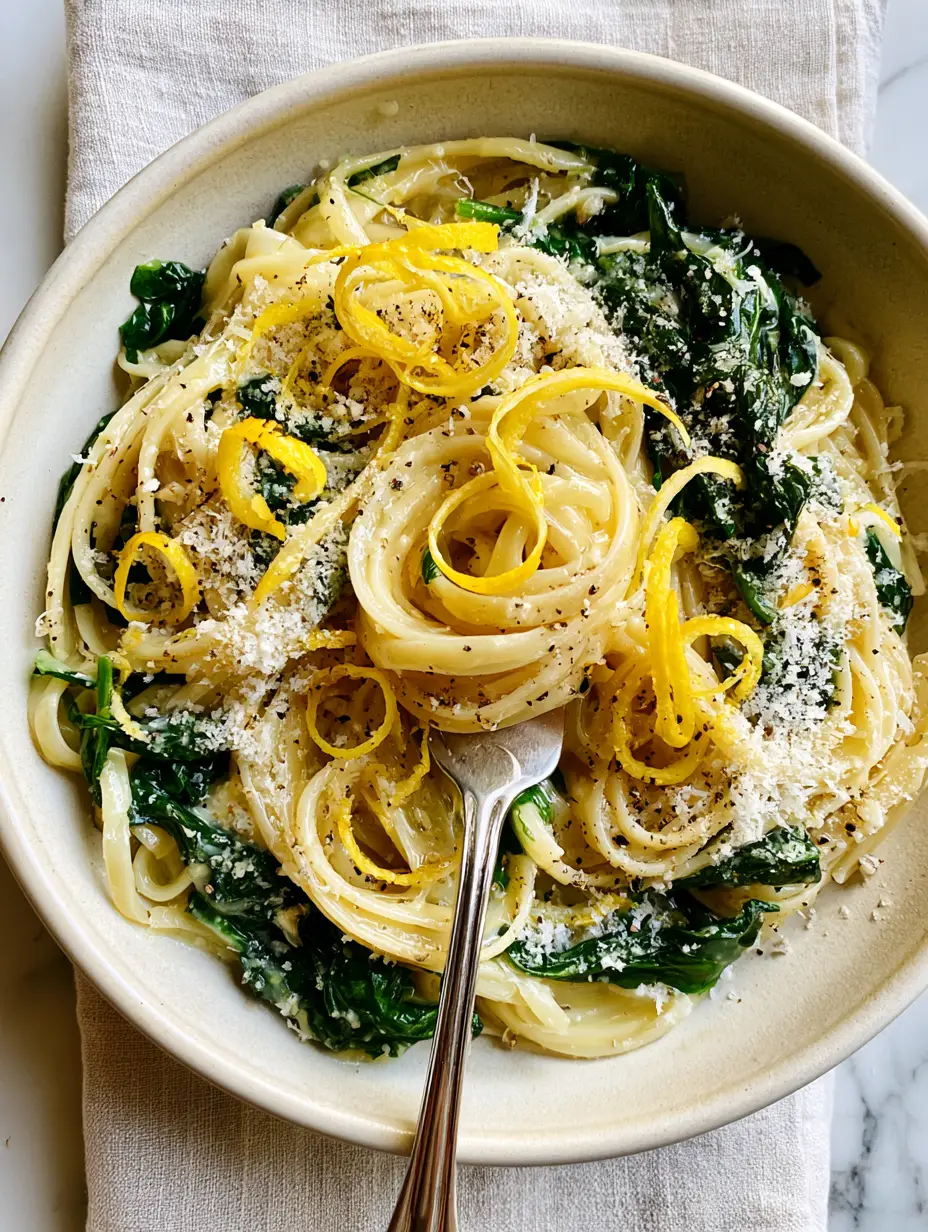
Lemon Spinach Pasta with Toasted Garlic and Glossy Citrus Emulsion
Ingredients
Equipment
Method
- Cook linguine in salted water until 1 minute shy of al dente. Reserve 1 cup (240ml) of pasta water before draining.
- In a cold skillet, combine olive oil and sliced garlic. Heat over medium-low until garlic bits are golden brown and fragrant.
- Add pasta water and lemon juice to the skillet. Whisk to combine, then add pasta and toss vigorously to create a glossy coating.
- Add hand-torn spinach and cold butter. Toss until spinach is vibrantly green and wilted. Finish with parmesan, zest, and pepper.
Notes
The micro-planed cheese should be added right before serving to maintain its fluffy appearance.
Closing & Call to Action
This Lemon Spinach Pasta proves that you don’t need a long list of ingredients to create a world-class meal. By focusing on the quality of your linguine and the science of the emulsion, you can achieve a dish that is visually stunning and deeply satisfying. If you make this, I would love to see your results!
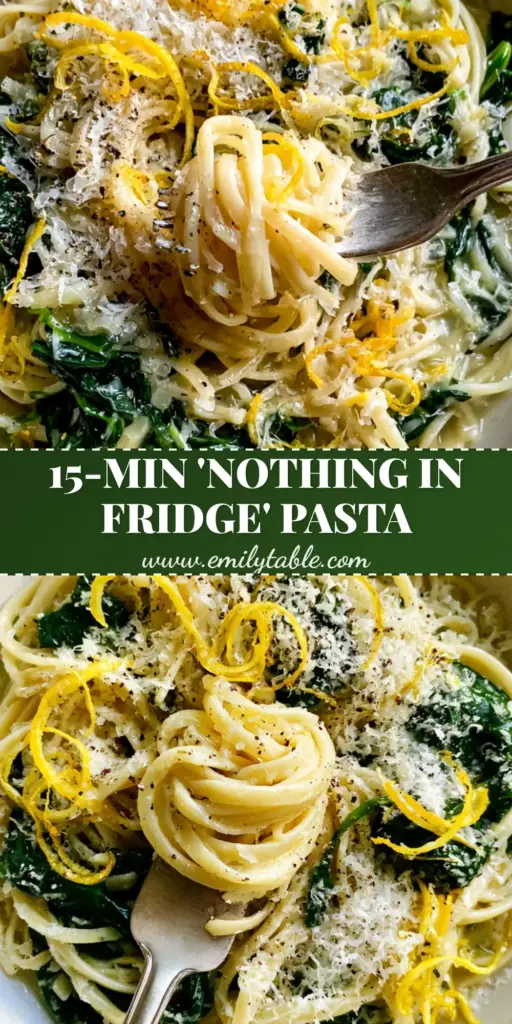
Leave a comment below to tell me how your emulsion turned out, and don’t forget to follow me on Pinterest for more culinary inspiration. Pin the image below to save this recipe for your next weeknight dinner!