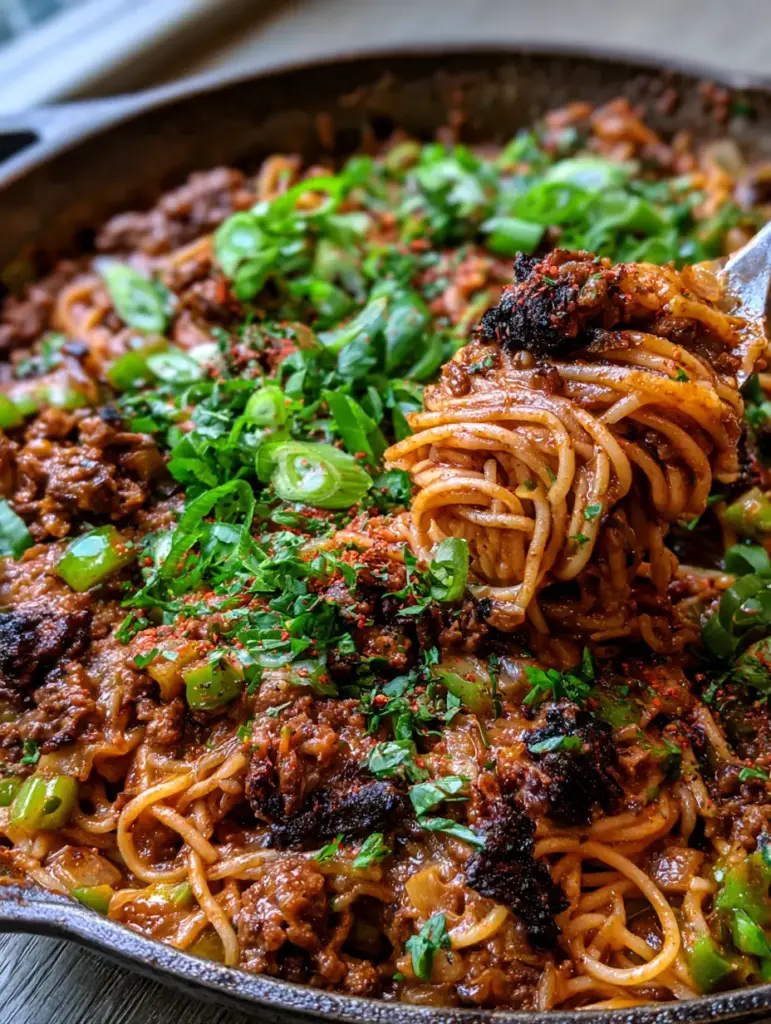
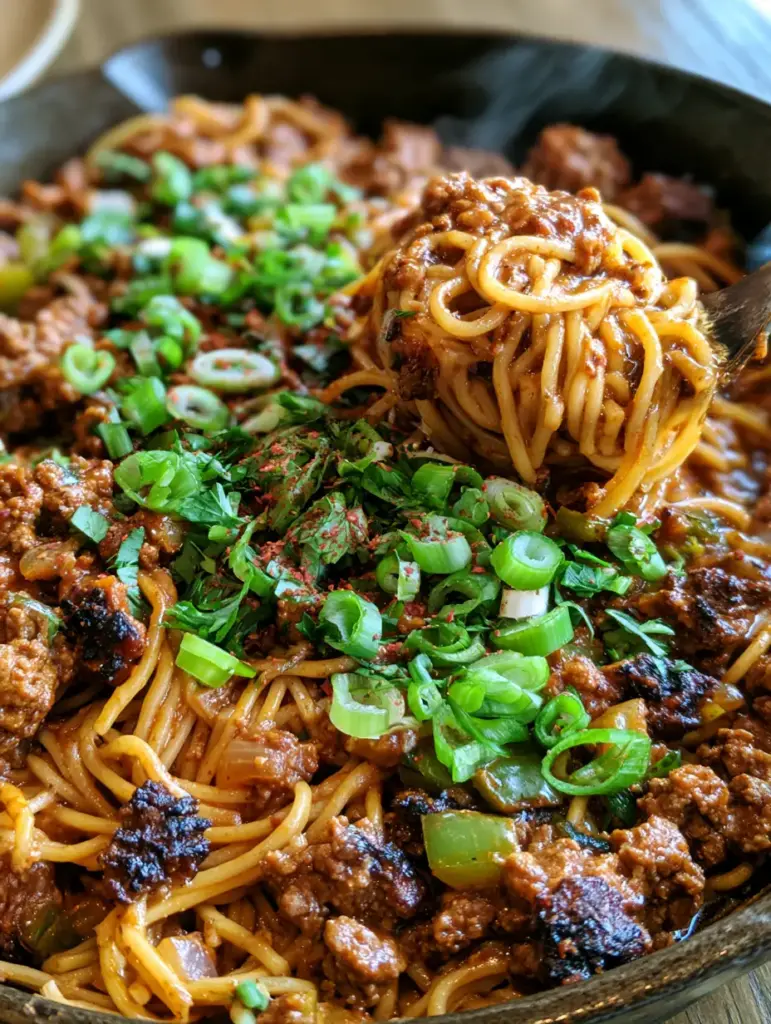
If you are looking for a weeknight meal that breaks the monotony of traditional marinara, this Cajun inspired dirty spaghetti is the ultimate rustic comfort food. Imagine thin, al dente strands of pasta slicked in a deep, mahogany-colored Creole sauce, packed with the smoky, savory essence of the Louisiana bayou.
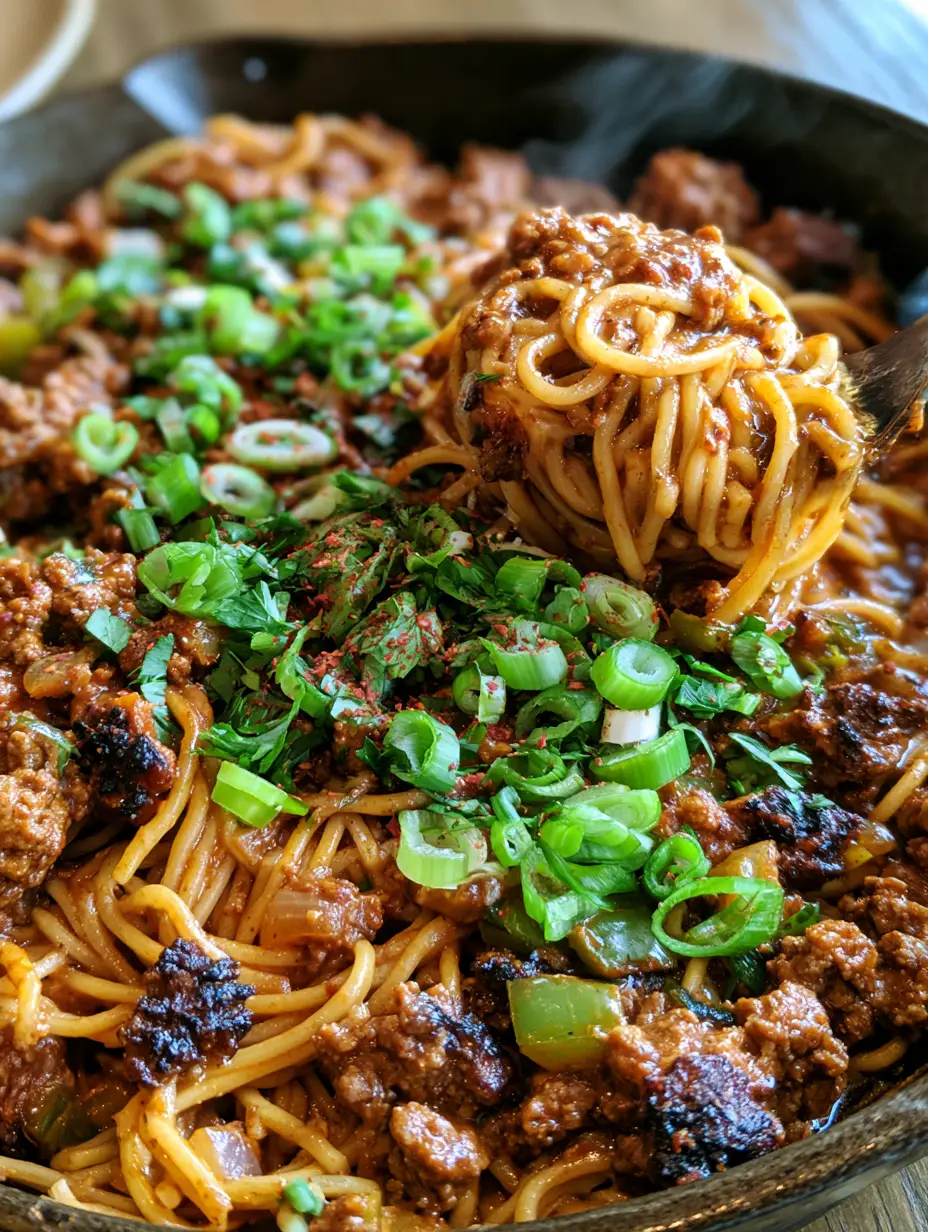
Inspired by the classic flavors of dirty rice, this pasta dish swaps the grain for spaghetti while maintaining the “dirty” aesthetic through finely crumbled, seared ground beef and a rich, spice-infused oil. The result is a glistening, aromatic masterpiece served straight from a cast iron skillet that looks as incredible as it tastes.
Every forkful offers a complex layers of flavor, from the sweetness of the sautéed “holy trinity” to the sharp bite of fresh scallions and the lingering heat of dusted cayenne pepper. This is not just another pasta recipe; it is a high-octane culinary experience designed for those who crave bold, soul-satisfying heat.
Why This Rustic Creole Pasta Is a Weeknight Game Changer
- Visual Depth: The mahogany-colored sauce and charred beef crumbles create a stunning, “dirty” visual that signals deep, caramelized flavor.
- Texture Contrast: We pair perfectly al dente thin spaghetti with the slight crunch of sautéed green bell peppers and the crispy edges of seared beef.
- The Glistening Finish: A final toss in spice-infused oil ensures every strand of pasta shines under the light, mimicking that authentic smartphone-photo-ready look.
- One-Pan Potential: While the pasta boils, the sauce comes together in a single rustic skillet, making cleanup a breeze for busy home cooks.
Essential Components for the Perfect Cajun Inspired Dirty Spaghetti
To achieve the specific visual and flavor profile of this Cajun inspired dirty spaghetti, you need ingredients that provide both pigment and punch. We aren’t just making a meat sauce; we are building a Creole base that relies on high-quality aromatics and specific browning techniques.
1 lb (450g) Lean Ground Beef: Look for a 90/10 blend to ensure you get plenty of browning (the Maillard reaction) without excessive grease. The goal is to achieve crumbled, charred edges that provide a smoky “dirty” texture to the sauce.
The Holy Trinity (Onions, Celery, Green Bell Pepper): This is the backbone of Cajun cooking. Use 1 cup (150g) diced yellow onion, 1/2 cup (75g) diced celery, and 1/2 cup (75g) diced green bell pepper to create that authentic aromatic base.
12 oz (340g) Thin Spaghetti: Thin spaghetti is preferred over thick noodles as it provides more surface area for the mahogany sauce to cling to. Ensure you cook it 1-2 minutes less than the package directions to maintain that firm “snap.”
2 tbsp (30g) Tomato Paste: This is our secret to the mahogany color. When caramelized in the skillet with the beef fat, it transforms from bright red to a deep, dark brown, enriching the Creole sauce.
2 cups (480ml) Beef Bone Broth: Using a high-quality bone broth adds body and gelatin, which contributes to the “glossy” finish described in the visual blueprint. It creates a sauce that coats the pasta rather than sitting at the bottom of the bowl.
Spice-Infused Oil: We use a combination of 2 tbsp (30ml) extra virgin olive oil and 1 tsp (2g) smoked paprika. This creates that “glistening spice oil” that catches the light and adds a final layer of warmth.
Fresh Garnishes: 1/2 cup (25g) sliced scallions and 1/4 cup (10g) chopped flat-leaf parsley provide the necessary vibrant green contrast against the dark sauce. A final dusting of cayenne pepper adds visual “dust” and immediate heat.
Tools Required for Culinary Success
The right equipment is vital for achieving the rustic look and professional texture of this dish. Using the correct pans will change the way your ingredients interact with heat.
A 12-inch Cast Iron Skillet is highly recommended. Cast iron retains heat better than stainless steel, which is essential for getting those “slightly charred edges” on the ground beef that define the “dirty” look.
You will also need a Sturdy Wooden Spoon to scrape the “fond” (the brown bits) off the bottom of the pan. Those bits are where the mahogany color lives, and they must be deglazed back into the sauce for maximum flavor.
Mastering the Mahogany Sauce: Step-by-Step Instructions
Step 1: Achieving the Perfect Beef Sear
Place your cast iron skillet over medium-high heat with a splash of oil. Once the skillet is wispy with smoke, add the ground beef in large chunks rather than breaking it up immediately.
Allow the beef to sit undisturbed for 3-4 minutes. You are looking for a deep, dark brown crust to form on the bottom. Once seared, use your spoon to break the beef into small crumbles, ensuring you see those “slightly charred edges” as mentioned in the Midjourney prompt.
Step 2: Sautéing the Holy Trinity
Push the beef to the edges of the skillet and add your diced onions, celery, and green bell peppers to the center. The moisture from the vegetables will begin to loosen the browned bits from the beef.
Sauté for 5-7 minutes until the onions are translucent and the peppers have softened but still retain a bit of their vibrant color. Add 3 cloves of minced garlic during the last 60 seconds to avoid burning.
Step 3: Building the Deep Mahogany Color
Clear a small spot in the middle of the skillet and add the tomato paste. Stir it constantly for 2 minutes until it turns a deep brick-red/maroon color. This step is non-negotiable for achieving a true Creole aesthetic.
Pour in the beef broth and 1 tbsp (15ml) of Worcestershire sauce. Bring the mixture to a simmer, scraping the bottom of the pan vigorously. The sauce will thicken and darken as it reduces, becoming the “thick, glossy” coating your pasta deserves.
Step 4: Emulsifying the Pasta and Spice Oil
While the sauce simmers, boil your thin spaghetti in heavily salted water. Just before draining, reserve 1/2 cup (120ml) of starchy pasta water.
Toss the al dente spaghetti directly into the skillet. Add the reserved water and the spice-infused oil. Toss vigorously over medium heat for 60 seconds; the starch and oil will emulsify, creating that “glistening sheen” that defines high-end food photography.
Expert Tips for the Ultimate Cajun Inspired Dirty Spaghetti
- The “Fond” is Gold: Never wash your skillet between browning the meat and adding the vegetables. Those stuck-on brown bits provide 80% of the mahogany color and deep savory flavor.
- Don’t Overcook the Pasta: The spaghetti will continue to cook for a minute when you toss it in the hot sauce. If you start with soft pasta, it will turn mushy in the skillet. Aim for a firm bite.
- Control the Heat: If the cayenne pepper dusting is too much for your palate, swap it for smoked paprika. You still get the “dusted” visual effect without the intense throat-burn.
- The Gloss Factor: If your sauce looks dry after adding the pasta, add a tablespoon of butter. The fat will bind with the liquid to create that “glossy” smartphone-photo finish.
Strategic Pairings for a Full Creole Feast
To turn this Cajun inspired dirty spaghetti into a complete meal, consider serving it alongside some lighter, southern-inspired sides. The richness of the beef and mahogany sauce pairs beautifully with crisp textures.
A simple cucumber and onion salad or a piece of toasted sourdough rubbed with garlic and dipped in spicy sausage oil works wonders. If you enjoy this flavor profile but want to try different proteins, our creamy chicken version offers a lighter alternative.
For those who love the “dirty” style but prefer shorter pasta shapes, you might enjoy a creamy Cajun penne which captures the sauce in its ridges. Regardless of what you choose, this spaghetti remains the king of the cast iron skillet.
Storage, Reheating, and Freezing
Refrigerating: Store leftovers in an airtight container for up to 3 days. Because the sauce is oil and broth-based, the pasta will continue to absorb flavor as it sits.
Reheating: To maintain the “glistening” texture, reheat in a skillet over medium heat with a splash of beef broth or water. Avoid the microwave if possible, as it can cause the spice oil to separate and become greasy.
Freezing: While you can freeze the “dirty” meat sauce for up to 3 months, we do not recommend freezing the spaghetti. For best results, freeze the sauce separately and toss with fresh pasta when ready to serve.
Frequently Asked Questions
Yes, but ground turkey has less fat, so you will need to add an extra tablespoon of oil to achieve the ‘glistening’ visual described in the recipe.
The deep mahogany color comes from caramelizing the tomato paste until it turns brick-red and deglazing the charred beef bits (the fond) from the bottom of the cast iron skillet.
It has a moderate kick from the Creole seasoning and cayenne dusting. You can control the heat by reducing the cayenne or using a mild Creole blend.
The Holy Trinity is a foundational aromatic base in Cajun cooking consisting of equal parts onions, celery, and green bell peppers.
The ‘dirty’ term refers to the mahogany-colored sauce and the finely crumbled, seared ground beef that coats the noodles, mimicking the appearance of traditional Louisiana Dirty Rice.
The Ultimate Cajun Inspired Dirty Spaghetti Recipe Card
Cajun Inspired Dirty Spaghetti with Seared Ground Beef
Ingredients
Equipment
Method
- Heat the cast iron skillet over medium-high heat. Add ground beef and sear until a deep brown crust forms. Break into crumbles, ensuring charred edges are visible.
- Add onion, celery, and green pepper to the skillet. Cook for 5-7 minutes until softened, scraping the bottom of the pan to incorporate the beef flavor.
- Stir in tomato paste and cook until it darkens to a brick red. Pour in beef broth and Creole seasoning. Simmer until the sauce is thick and glossy.
- Add al dente thin spaghetti to the skillet along with spice-infused oil. Toss vigorously until the noodles are glistening and coated in the mahogany sauce.
Notes
Reserve 1/2 cup of pasta water to adjust the sauce glossiness at the end.
Share Your Skillet Creations!
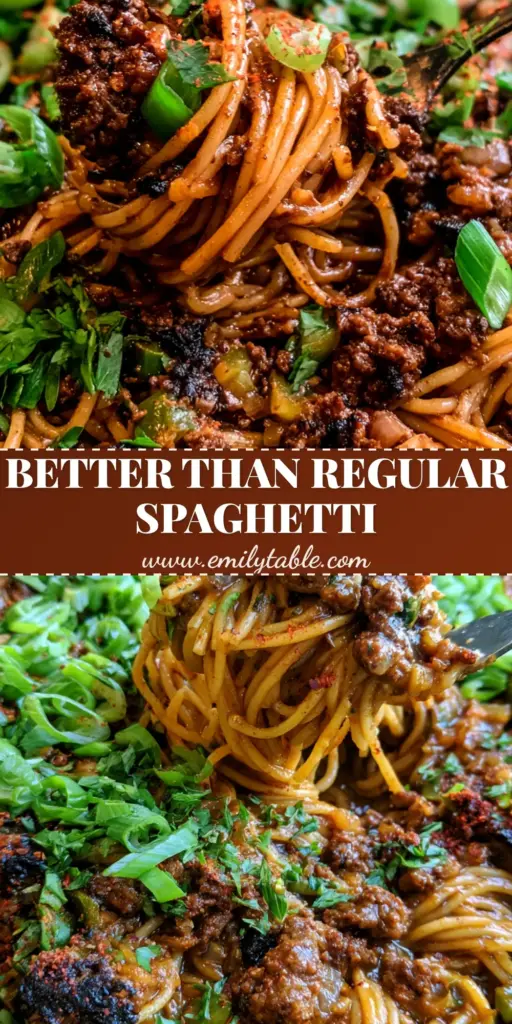
This Cajun inspired dirty spaghetti is a testament to how simple ingredients like ground beef and thin pasta can be transformed through professional browning techniques. It’s a dish that demands to be photographed and shared with fellow food lovers.
If you made this recipe, we want to see your rustic cast iron shots! Tag us or pin this recipe to your favorite dinner boards on Pinterest. Your feedback helps us continue to develop high-flavor, visually stunning recipes for the modern home cook.