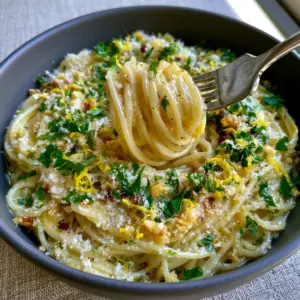
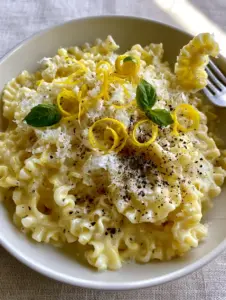
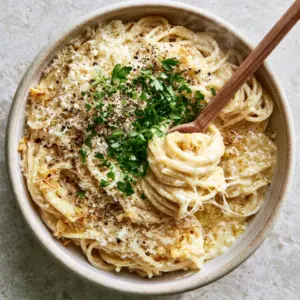
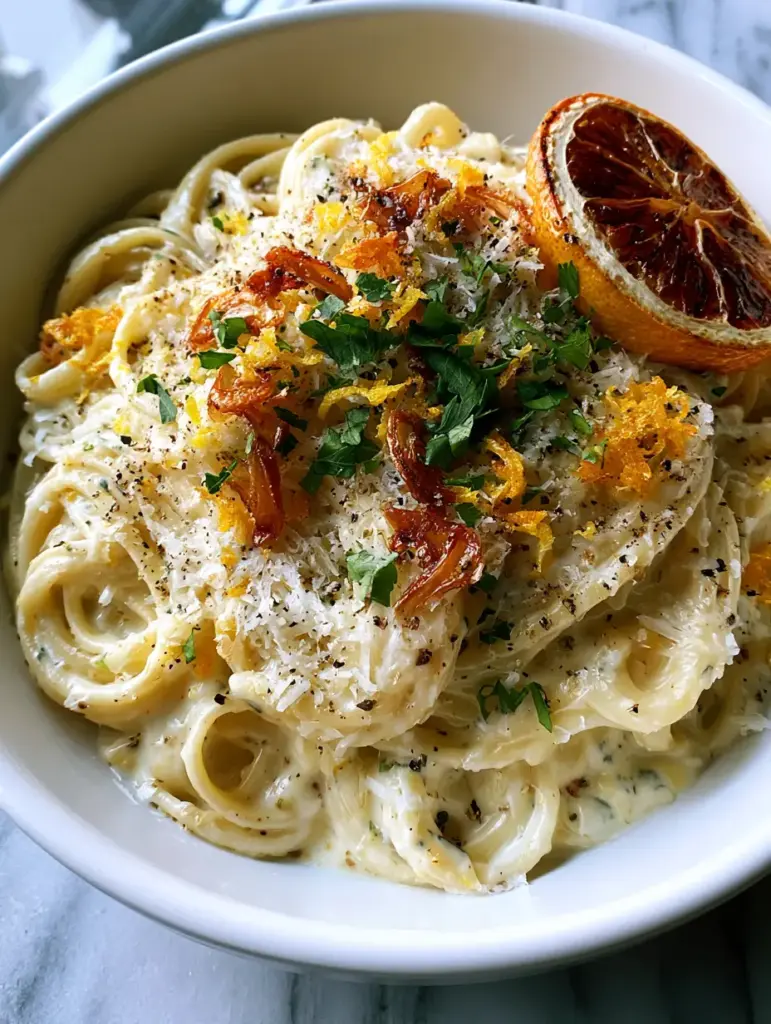
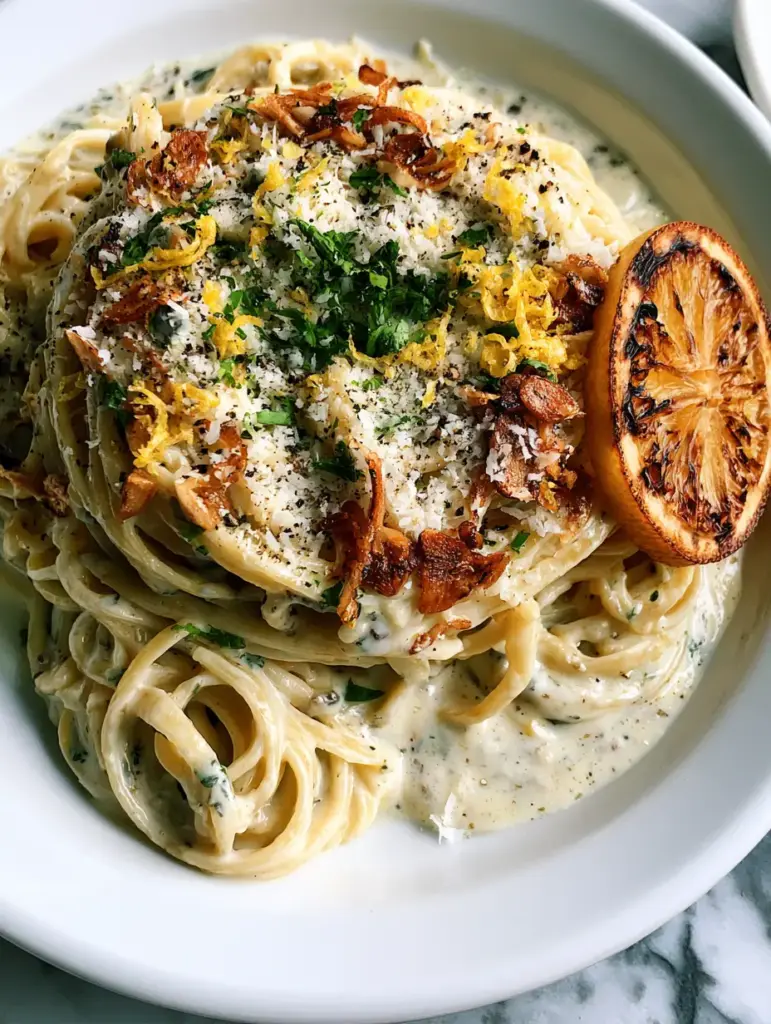
This lemon pasta is the ultimate masterclass in balancing rich, velvety textures with the vibrant, high-frequency notes of fresh citrus. Imagine silky, tight swirls of linguine drenched in a thick, glossy cream sauce that clings to every strand, topped with the crunch of pan-seared garlic slivers and the smoky sweetness of caramelized lemon wheels.
Captured in the soft, natural side-lighting of a home kitchen, this dish isn’t just a meal; it’s a sensory experience. The visual contrast between the bright green flat-leaf parsley and the heavy dusting of aged parmesan cheese makes it a showstopper for any dinner table. Whether you are cooking for a special occasion or a quick weeknight treat, this recipe delivers restaurant-quality results in under 30 minutes.
By following our forensic culinary approach, you will achieve that specific “unedited smartphone photo” look—a dish that looks as good on a marble countertop as it does in a high-end bistro. We focus on the science of emulsification and the Maillard reaction to ensure every bite of your lemon pasta is perfection.
Why You Will Love This Vibrant Citrus Linguine
- Textural Harmony: The combination of al dente pasta, velvety cream sauce, and crispy garlic chips provides a multi-dimensional mouthfeel.
- Visual Brilliance: The micro-planed lemon zest and charred lemon wheels create a professional, “handheld smartphone photo” aesthetic that is naturally beautiful.
- Umami Punch: A heavy dusting of finely grated aged parmesan cheese balances the citric acidity with salty, nutty depth.
- Quick Luxury: This lemon pasta uses pantry staples to create a sophisticated flavor profile usually reserved for fine dining.
Essential Elements for Bright Citrus Flavor
To achieve the specific visual and flavor profile of this lemon pasta, every ingredient serves a dual purpose: structural integrity and sensory impact. Here is what you will need for this culinary masterpiece.
Linguine Pasta: 1 lb (454g). The flat, narrow surface of linguine is the ideal canvas for a thick cream sauce, allowing for those “tight swirls” seen in our blueprint.
Heavy Cream: 1 cup (240ml). This provides the velvety, opaque rich texture required to drench the noodles without becoming watery.
Unsalted Butter: 1/2 cup (115g). High-quality butter is whisked in at the end to create a glossy, emulsified finish that shines under side-lighting.
Fresh Lemons: 3 large lemons. You will use the juice for acidity, the micro-planed zest for aroma, and thin slices for the signature charred lemon garnishes.
Garlic Cloves: 4-5 large cloves. Sliced into paper-thin slivers, these are pan-seared until they become golden-brown “chips” for a crucial crunch factor.
Aged Parmesan Cheese: 1/2 cup (50g), finely grated. This should be a “heavy dusting” to provide both flavor and a snowy visual contrast against the pasta.
Fresh Parsley: 1/4 cup (15g), finely chopped. Bright green flat-leaf parsley adds an herbaceous note and a pop of color across the top of the dish.
Extra Virgin Olive Oil: 2 tbsp (30ml). Used specifically for searing the garlic chips to ensure they reach a perfect golden hue without burning.
Cracked Black Pepper: 1 tsp (5g), coarsely ground. Large flecks of pepper provide a visual “scattered” effect and a pungent heat that cuts through the cream.
Kosher Salt: 2 tbsp (30g) for the pasta water. Properly seasoned water is the only way to flavor the pasta from the inside out.
Must-Have Tools for Professional Results
Achieving the forensic accuracy of our blueprint requires the right culinary gear. These tools ensure your textures match the visual description perfectly.
- Micro-plane Zester: Essential for creating those vibrant, wispy strands of zest that sit atop the sauce.
- Large Heavy-Bottomed Skillet: Provides even heat distribution for searing garlic chips and simmering the thick cream sauce.
- Carving Fork or Tongs: Necessary to create the “silky, tight swirls” of linguine when plating.
- Cast Iron Pan (Optional): Best for achieving the caramelized, blackened edges on the charred lemon slices.
The Step-by-Step Path to Silky Lemon Perfection
1. Crafting the Golden Garlic Chips
Heat 2 tbsp (30ml) of olive oil in your skillet over medium-low heat. Add the paper-thin garlic slivers in a single layer, watching them closely as they begin to sizzle and release their aroma.
Use a small spatula to flip them until they reach a uniform golden-brown color. Immediately remove the chips and drain them on a paper towel; they will continue to crisp as they cool, providing that essential crunch for your lemon pasta.
2. Searing the Charred Lemon Wheels
Increase the heat to medium-high in the same skillet (or use a dry cast iron pan). Place thin lemon slices flat against the surface and sear for 2-3 minutes per side until the edges are caramelized and slightly blackened.
These charred wheels are not just a garnish; the heat concentrates the sugars in the lemon, offering a smoky-sweet contrast to the acidic sauce. Set these aside to rest on the side of the plate later.
3. Achieving the Perfect Al Dente Linguine
Bring a large pot of water to a rolling boil and add your kosher salt. Submerge the linguine (454g) and cook for exactly 2 minutes less than the package instructions suggest.
This “under-cooking” is vital because the pasta will finish its cooking process inside the lemon cream sauce, allowing it to absorb the flavors while remaining firm to the bite. Crucial Tip: Reserve 1 cup (240ml) of starchy pasta water before draining.
4. Emulsifying the Thick Lemon Cream Butter Sauce
In the skillet, bring the heavy cream (240ml) to a gentle simmer over medium heat. Let it reduce for 3-4 minutes until it begins to thicken slightly and can coat the back of a spoon.
Whisk in the cold butter (115g) one tablespoon at a time, creating a glossy, velvety emulsion. Add the lemon juice and half of the zest. If you love a more pungent garlic flavor, you might enjoy my creamy lemon garlic pasta which incorporates minced garlic directly into this base.
5. The Final Toss and Plating
Add the al dente linguine to the skillet along with a splash of the reserved pasta water. Toss vigorously over low heat for 1-2 minutes until the sauce transforms into a thick, glossy coating that clings to every swirl.
Using tongs, twirl the pasta into tight mounds on white ceramic plates. Top with a “heavy dusting” of parmesan, the golden garlic chips, fresh parsley, and the remaining zest. Position one charred lemon wheel on the side for that elegant finish.
Expert Tips for Success
- Temperature Control: Never let the cream boil vigorously once the lemon juice is added, as the acid can cause the dairy to curdle if the heat is too high.
- The Butter Trick: Always use cold butter when whisking it into the sauce; the gradual melting helps create a much more stable and glossy emulsion.
- Zest First: Always zest your lemons before juicing them. It is nearly impossible to get a clean micro-planed zest from a squeezed lemon half.
- Sauce Thickness: If the sauce feels too thick, add pasta water 1 tablespoon at a time. The starch acts as a bridge between the fat and the liquid, ensuring a silky finish.
Serving Suggestions for Your Lemon Pasta
This dish is a star on its own, but it pairs beautifully with light proteins and crisp greens. For a complete Italian-inspired feast, consider serving this alongside a simple arugula salad or some grilled shrimp.
If you prefer a lighter, tangier variation of this dish, you must try my lemon ricotta pasta, which uses cheese to provide creaminess instead of heavy cream. For those who want to add more greens to their diet, the lemon spinach pasta is a fantastic way to incorporate iron-rich vegetables into a citrusy meal.
For a unique twist on the noodle shape, this exact sauce technique works wonders when making mafaldine pasta limone, where the ruffled edges of the pasta catch even more of that velvety lemon butter.
Frequently Asked Questions
For the best flavor and visual accuracy, use fresh lemons. Bottled juice lacks the volatile oils found in fresh zest and the specific brightness needed for the charred lemon garnish.
Use a carving fork or long kitchen tongs to twirl a portion of linguine against a large spoon or the side of the pot before sliding it onto the plate in a tight mound.
To prevent curdling, ensure the cream is reduced over medium heat and avoid bringing it to a rolling boil once the lemon juice is added. The fat in the heavy cream and butter helps stabilize the sauce.
Slice the garlic paper-thin and sear it in olive oil over medium-low heat. Remove them just as they turn golden brown, as they will continue to cook and darken slightly after being removed from the pan.
Undercooking the pasta by 2 minutes allows it to absorb the starchy sauce during the final toss, which helps the sauce cling to the noodles and ensures the pasta stays al dente.
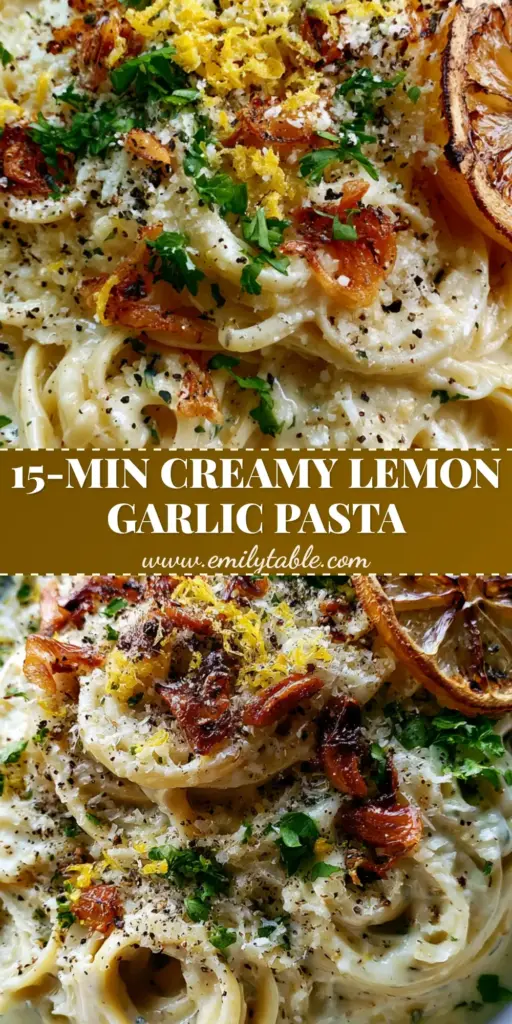
The Definitive Lemon Pasta Recipe
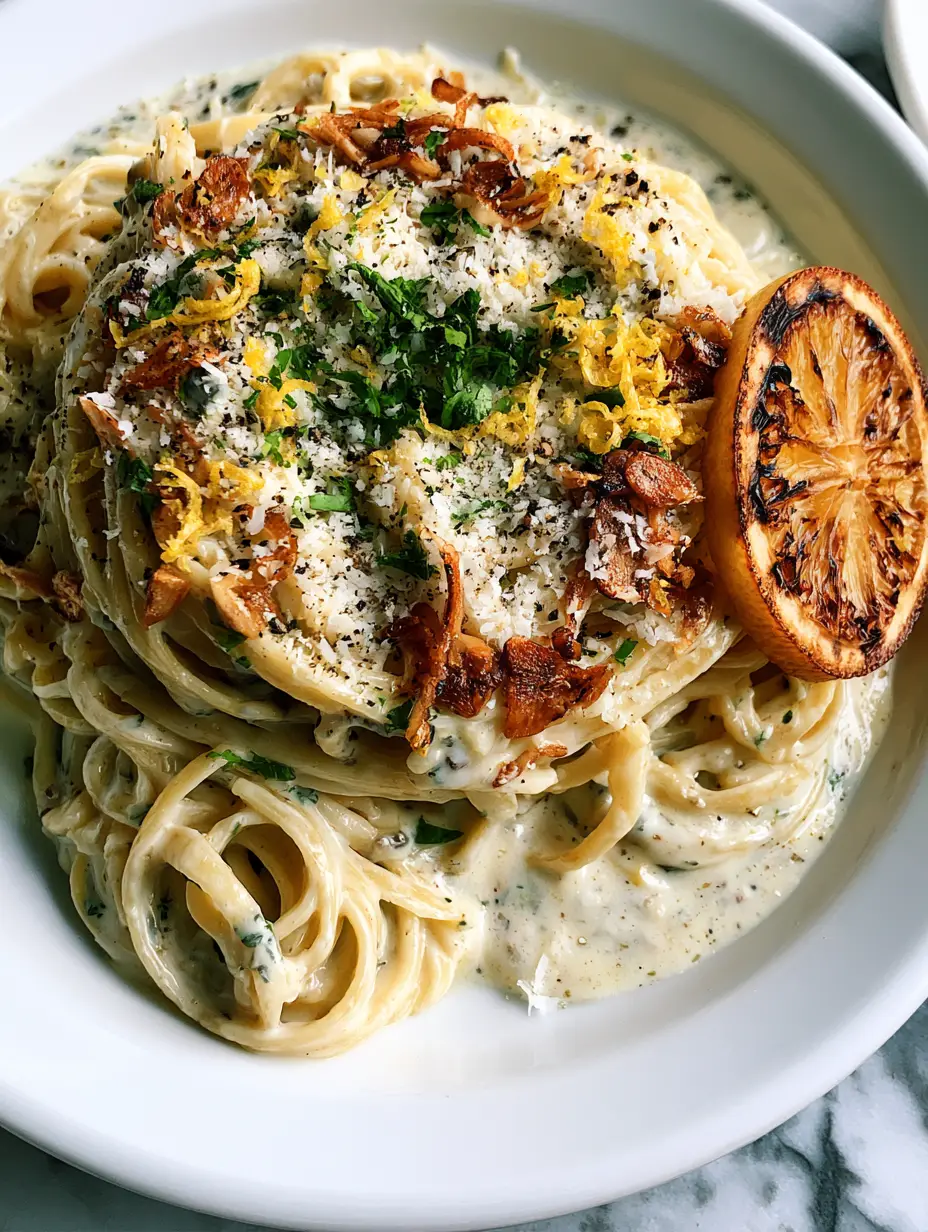
Lemon Pasta with Golden Garlic Chips and Charred Lemons
Ingredients
Equipment
Method
- Sear paper-thin garlic slivers in olive oil over medium-low heat until golden brown. Drain on paper towels.
- Place lemon slices in a hot skillet until edges are caramelized and blackened.
- Boil linguine in salted water until 2 minutes before al dente. Reserve 1 cup of pasta water.
- Simmer cream until reduced by a third. Whisk in cold butter cubes, lemon juice, and zest until glossy.
- Toss pasta in the sauce with reserved water. Garnish with garlic chips, parmesan, parsley, and charred lemons.
Notes
Don't skip the charred lemon; it adds a unique smoky sweetness.
Final Thoughts on This Zesty Classic
Mastering the lemon pasta is a rite of passage for any home cook looking to elevate their repertoire. By focusing on the visual cues of golden garlic and charred citrus, you create a dish that appeals to all the senses. The thick, buttery sauce and perfectly timed linguine prove that simplicity, when executed with scientific precision, is the ultimate sophistication.
We would love to see your creations! If you make this dish, please leave a comment below and share your photos with us. Don’t forget to follow Emily_Table on Pinterest for more visually stunning recipe inspiration and culinary deep-dives.