When the sun begins to peak and the garden starts to overflow with vine-ripened produce, there is only one dish that truly captures the essence of the season: the Summer orzo pasta salad. This isn’t just another side dish; it is a bright, zesty, and incredibly refreshing celebration of Mediterranean flavors that comes together in less than 30 minutes.
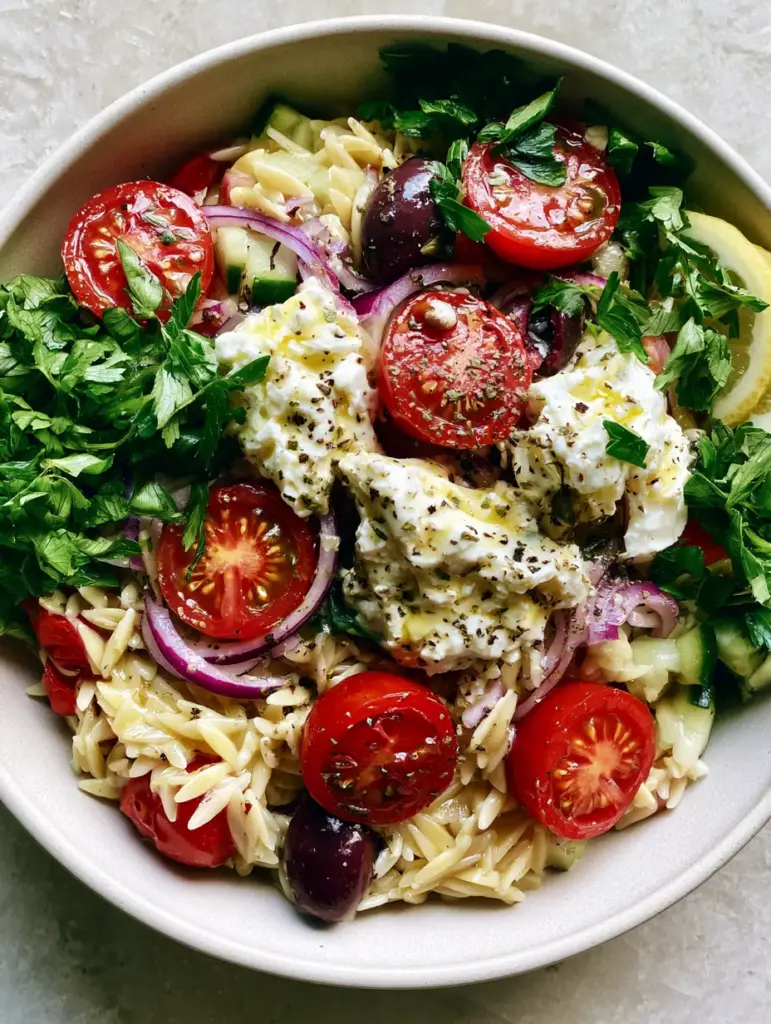
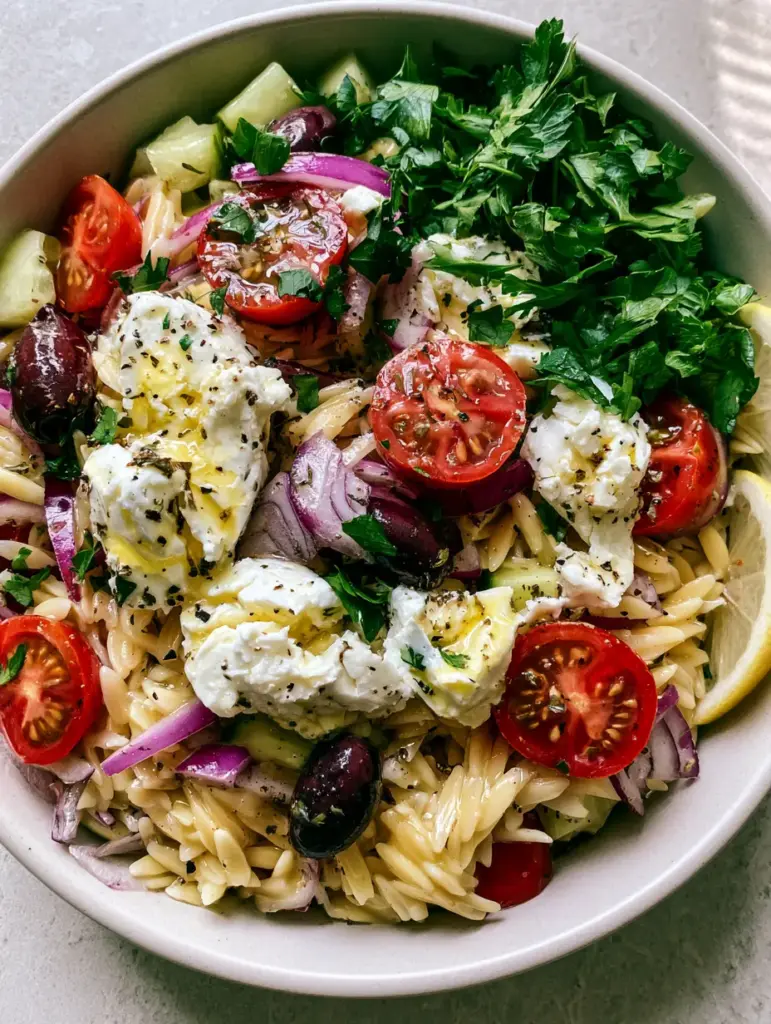
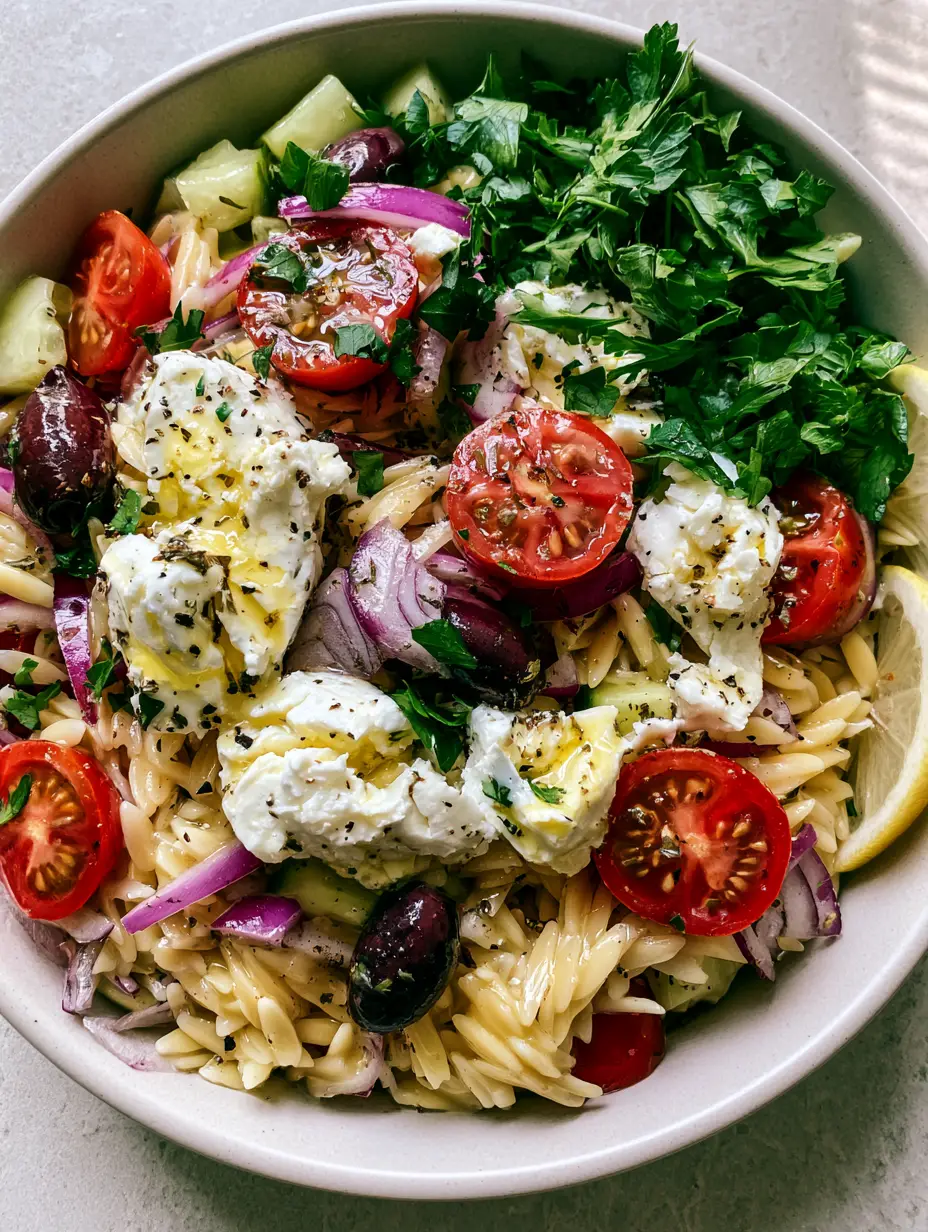
Imagine a shallow matte white ceramic bowl filled to the brim with al dente orzo, each grain glistening under a translucent lemon herb vinaigrette. The contrast of creamy, large chunks of white feta against the bright red of halved cherry tomatoes creates a visual masterpiece that is as satisfying to look at as it is to eat.
Whether you are preparing a quick mid-week meal or looking for the perfect contribution to a backyard barbecue, this Summer orzo pasta salad delivers a professional food-styled aesthetic with minimal effort. In this guide, we will dive deep into the culinary science of the perfect vinaigrette and the secrets to keeping your orzo perfectly distinct and glossy.
Why This Vibrant Mediterranean Orzo Salad Works
- Textural Harmony: The recipe balances the soft, rice-like chew of al dente orzo with the crisp snap of finely diced seedless cucumbers and the creamy crumble of high-quality feta.
- Aesthetic Brilliance: Following our visual blueprint, we utilize the deep purples of kalamata olives and red onions to provide a striking color contrast against the bright green of freshly torn parsley.
- The Glisten Factor: Our specific emulsification technique for the lemon herb dressing ensures every ingredient has a glossy coating that catches the light without becoming greasy.
- Make-Ahead Friendly: Unlike traditional leaf-based salads, this dish actually improves as it sits, making it the king of meal prep and outdoor gatherings.
The Secret to Perfectly Glistening Orzo
The foundation of any elite orzo salad is the pasta itself. Orzo, often mistaken for rice, is a small pasta shape that requires specific handling to ensure it doesn’t turn into a gummy mass.
To achieve the “glistening” look described in our visual prompt, you must cook the pasta in heavily salted water until it is strictly al dente. Overcooking orzo is the most common mistake; it should have a slight resistance when bitten, which allows it to hold up against the acids in the vinaigrette.
Immediately after draining, we toss the warm pasta with a small amount of olive oil. This creates a barrier that prevents the starch from sticking together, ensuring every grain remains individual and glossy once the final dressing is applied.
Essential Mediterranean Ingredients and Their Purpose
Orzo Pasta (16 oz / 450g): This small, rice-shaped semolina pasta acts as the perfect canvas for absorbing the sharp citrus notes of the dressing.
Extra Virgin Olive Oil (1/2 cup / 120ml): Use the highest quality oil available; its fruity, peppery notes form the backbone of the glistening vinaigrette.
Fresh Lemon Juice (1/4 cup / 60ml) & Zest: The acidity provides the “vibrant” lift, while the zest contains essential oils that offer a deep citrus aroma.
Crumbled Feta Cheese (8 oz / 225g): We specify large chunks here to provide creamy bursts of saltiness that contrast with the acidic tomatoes.
Cherry Tomatoes (1 pint / 250g): Halving these reveals the visible seeds and juices, which mingle with the dressing to create an extra layer of flavor.
Kalamata Olives (1/2 cup / 90g): These dark purple gems provide the “umami” or savory depth required to balance the fresh vegetables.
Seedless Cucumber (1 large): Finely diced cucumber adds a necessary cooling element and a refreshing crunch to every bite.
Red Onion (1/2 small): Slicing these into paper-thin slivers ensures their pungent flavor is distributed evenly without overpowering the palate.
Fresh Flat-Leaf Parsley (1/2 cup): Heavily garnishing with torn parsley adds a bright green pop and a fresh, herbaceous finish.
Dried Oregano & Black Pepper: These “specks” of seasoning provide the visual detail and the classic earthy undertones found in Greek pasta salad recipes.
Advanced Culinary Tools for Professional Results
While you can make a pasta salad with basic tools, achieving the ultra-realistic, professional food styling seen in our prompt requires a few specific items.
A Microplane zester is essential for getting those fine wisps of lemon zest that disappear into the dressing while providing maximum flavor. For the vegetables, a sharp Mandoline can help achieve those perfectly uniform slivers of red onion that look so elegant tucked into the bowl.
Finally, always serve this dish in a shallow matte white ceramic bowl. The matte finish of the bowl allows the natural highlights of the glossy dressing and the vibrant colors of the tomatoes and olives to stand out without competing with a shiny glaze.
Mastering the Zesty Lemon Herb Vinaigrette
Step 1: The Emulsification Process
In a small glass bowl, whisk together the fresh lemon juice, lemon zest, 1 teaspoon (5g) of dried oregano, and 1/2 teaspoon (3g) of cracked black pepper. Slowly drizzle in the extra virgin olive oil while whisking vigorously.
You are looking for a visual change: the liquid should transform from two separate layers into a single, translucent, and slightly thickened sauce. This emulsion is what creates the “glossy coating” on our Summer orzo pasta salad.
Step 2: Preparing the Orzo Base
Bring a large pot of water to a rolling boil. Add 2 tablespoons (30g) of kosher salt—the water should taste like the sea. This is your only chance to season the pasta itself.
Cook the orzo for approximately 8-9 minutes. Drain well, but do not rinse with cold water. Rinsing removes the light starch layer that helps the dressing cling to the pasta. Instead, spread it on a sheet pan to cool slightly for 5 minutes.
Step 3: The Art of the Toss
In a large mixing bowl, combine the slightly warm orzo with half of the vinaigrette. This allows the pasta to absorb the flavors as it cools. Once at room temperature, fold in the halved cherry tomatoes, diced cucumbers, slivered red onions, and sliced kalamata olives.
Add the large chunks of feta cheese last. Folding them in gently at the end ensures they remain as distinct “creamy white chunks” rather than breaking down into a grainy paste that clouds the dressing.
Expert Tips for Visual and Flavor Success
- The Temperature Rule: Never add the feta to hot pasta. If the pasta is too warm, the cheese will melt and lose its structural integrity, ruining the aesthetic of the large chunks.
- Herb Freshness: Only tear the parsley right before serving. This prevents the edges from bruising or turning black, maintaining that “bright green” look from the prompt.
- Salt Awareness: Between the pasta water, the olives, and the feta, there is plenty of salt in this dish. Always taste before adding more salt to the final salad.
- Side-Lighting for Photos: If you are photographing your creation, mimic our prompt’s “soft natural side-lighting” by placing your bowl near a window with a sheer curtain to create gentle highlights on the sauce.
Strategic Pairings and Serving Suggestions
This salad is incredibly versatile. It stands alone as a light lunch, but it also pairs beautifully with grilled proteins. If you want to lean further into the Mediterranean theme, try serving it alongside Greek pasta with feta or a roasted chicken seasoned with authentic Italian pasta herbs.
For a vegetarian feast, serve this alongside a roasted vegetable platter or a simple hummus and pita board. The acidity of the lemon vinaigrette acts as a palate cleanser for richer, savory dishes.
Shelf Life and Storage Insights
The Summer orzo pasta salad is a rare beast that tastes better the next day. Store it in an airtight container in the refrigerator for up to 4 days.
If the pasta seems to have absorbed all the dressing after a night in the fridge, simply add a squeeze of fresh lemon and a tiny drizzle of olive oil to bring back that signature glisten before serving. Do not freeze this salad, as the cucumbers and tomatoes will lose their crisp texture upon thawing.
Frequently Asked Questions
Yes! This salad is actually better after 2-4 hours in the fridge. If it looks dry the next day, simply refresh it with a quick squeeze of lemon and a tiny drizzle of olive oil.
Absolutely. While our blueprint uses tomatoes and cucumbers, you can add bell peppers, chickpeas, or baby spinach for additional variety and nutrition.
To prevent sticking, cook the orzo in plenty of salted water until al dente, drain, and immediately toss with a teaspoon of olive oil. Do not rinse with cold water, as the starch helps the dressing adhere.
Orzo is a pasta made from semolina flour. While it looks like rice, it provides the chewy, satisfying texture of traditional pasta.
Purchase feta in a block rather than pre-crumbled. Hand-break it into large pieces and fold them gently into the salad at the very end to prevent them from disintegrating.
The Ultimate Summer Orzo Pasta Salad Recipe
Summer Orzo Pasta Salad: The Ultimate Vibrant Mediterranean Guide
Ingredients
Equipment
Method
- Boil the orzo in salted water for 8-9 minutes until al dente. Drain and toss with 1 tsp of oil to prevent sticking. Let cool slightly.
- Combine lemon juice, zest, oregano, and pepper. Slowly whisk in olive oil until a glossy, translucent emulsion forms.
- In a large bowl, toss the orzo with the dressing. Fold in tomatoes, cucumbers, onions, and olives until every ingredient is coated and glistening.
- Gently fold in the large feta chunks. Top with freshly torn parsley and tuck lemon slices into the side of the bowl.
Notes
Add the feta at the very last second to keep the chunks large and the dressing clear.
Closing & Call to Action
This Summer orzo pasta salad is more than just a meal; it is a sensory experience of the Mediterranean. From the visible specks of oregano to the creamy feta and the vibrant citrus aroma, every element is designed to bring joy to your table. If you enjoyed this recipe, please leave a comment below and share your photos with us!
Don’t forget to follow Emily_Table on Pinterest for more visual recipe blueprints and seasonal inspirations. Happy cooking!