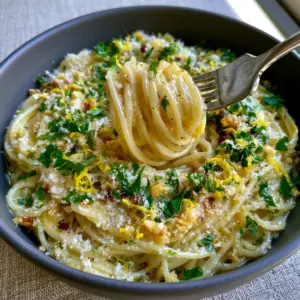
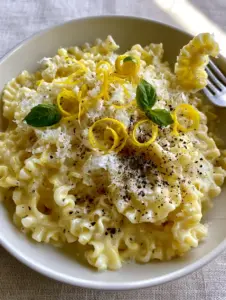
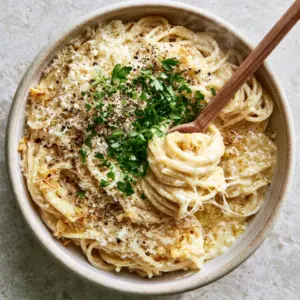
Pesto pasta is a timeless masterpiece that brings the vibrant flavors of a Genoese garden straight to your dinner table. This version elevates the classic herb sauce into a sophisticated, emulsified basil cream that clings perfectly to every strand of al dente linguine.
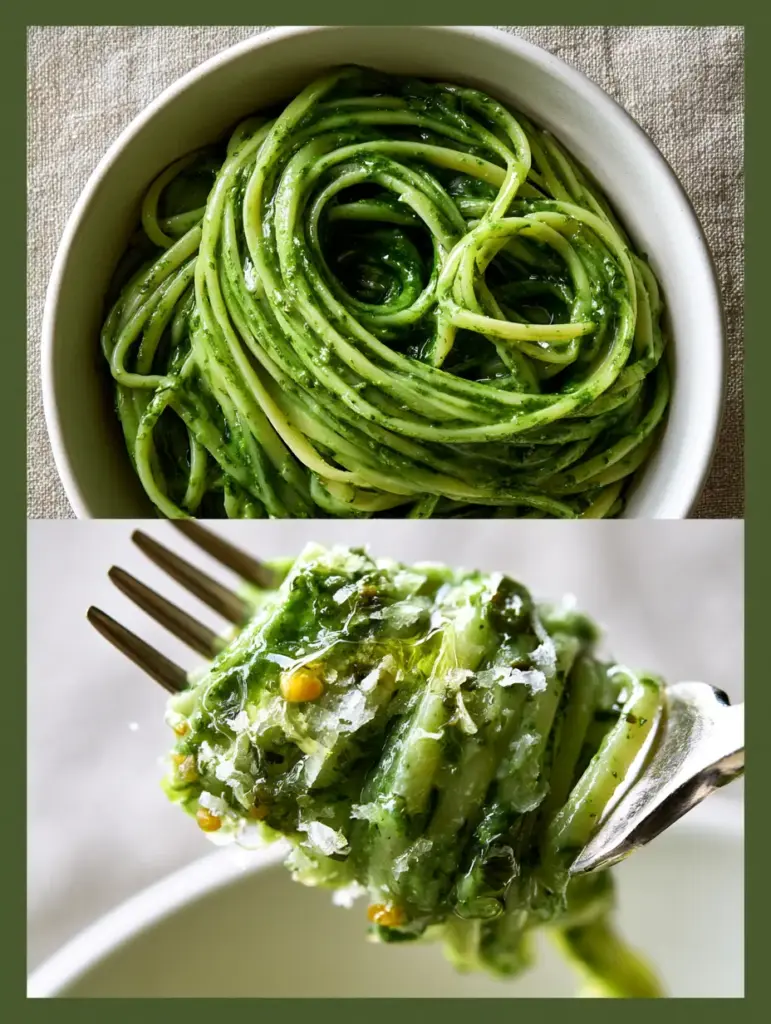
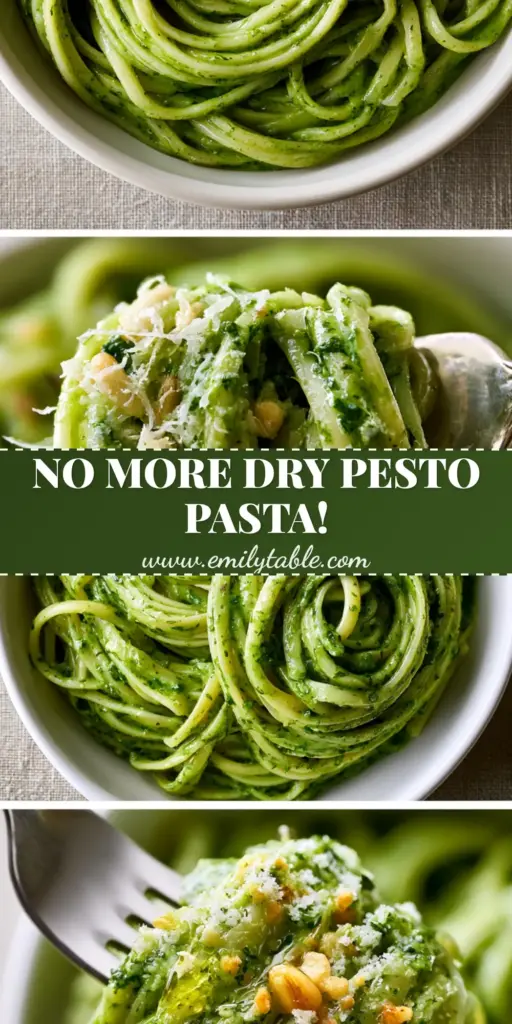
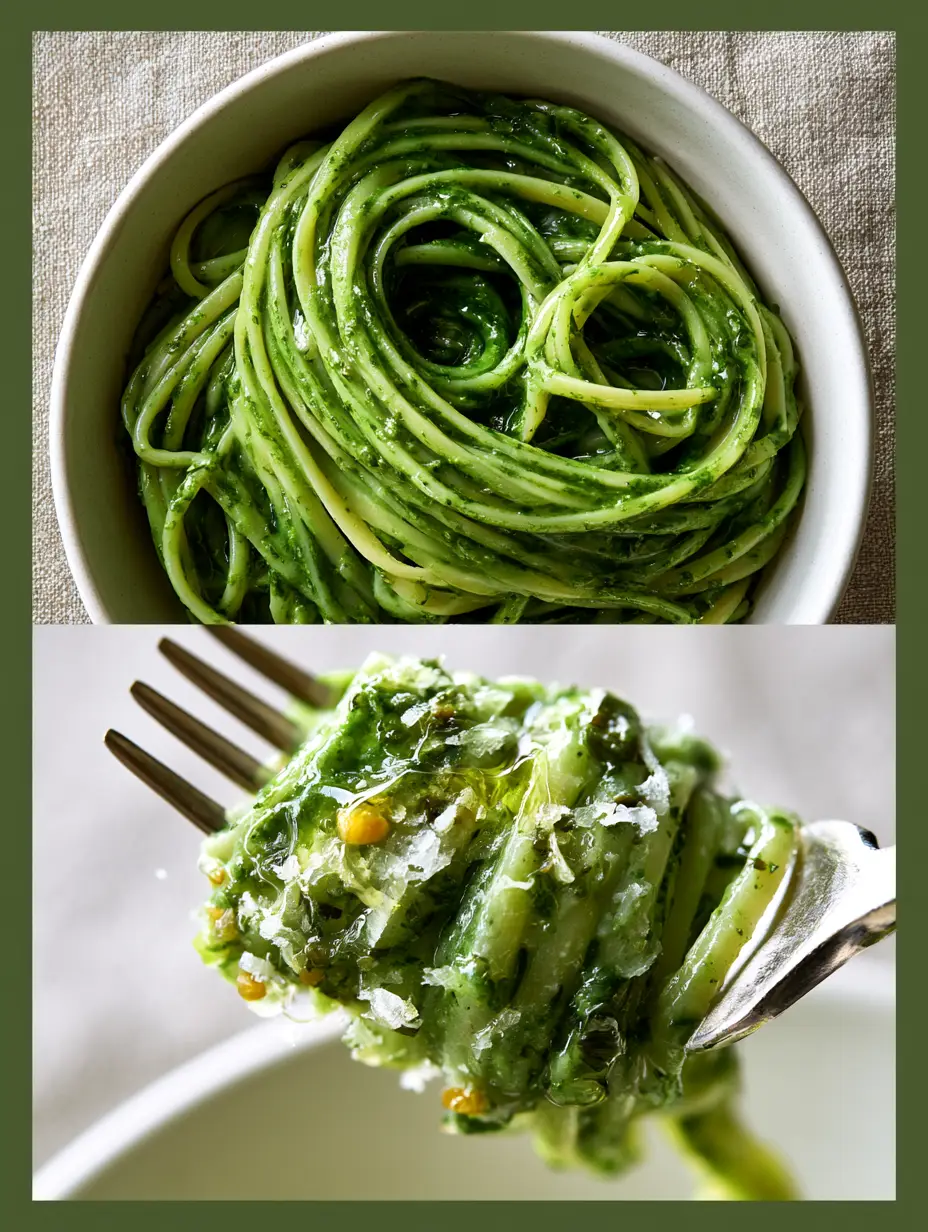
Imagine a shallow white ceramic bowl where linguine swirls in a glossy, emerald-green sauce that reflects the soft morning light. The texture is velvety, punctuated by the crunch of golden toasted pine nuts and the sharp, salty finish of finely grated Pecorino Romano cheese.
Whether you are hosting a high-end dinner party or craving a luxurious weeknight meal, this recipe delivers a restaurant-quality aesthetic. With its translucent olive oil sheen and fresh micro-basil garnish, it is as much a feast for the eyes as it is for the palate.
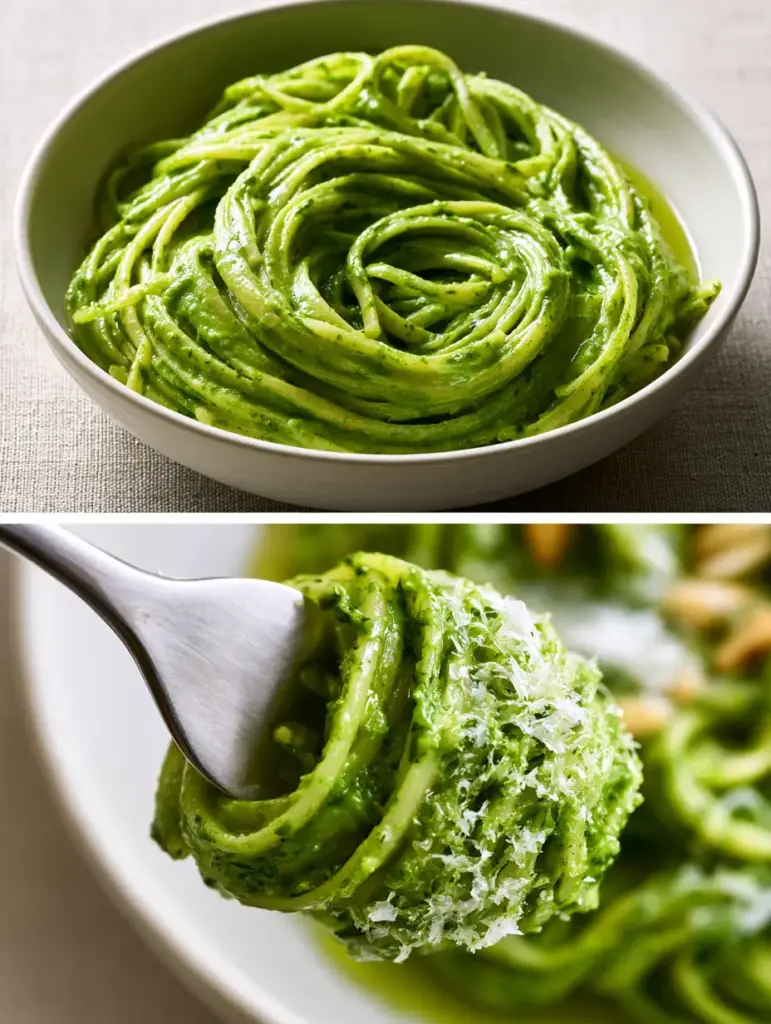
Why This Is the Ultimate Emerald-Green Pesto Pasta Experience
- Vibrant Visuals: We use a specific blanching technique to ensure your sauce remains a striking, deep emerald green rather than turning brown.
- Perfect Emulsification: By combining starchy pasta water with heavy cream and fresh pesto, we create silky sauce droplets that coat the noodles without breaking.
- Complex Textures: From the snap of al dente linguine to the “microscopic” flecks of basil and the heavy dusting of Pecorino, every bite offers a sensory journey.
- Glossy Sheen: A final drizzle of high-quality extra virgin olive oil provides that signature high-end culinary blog glow.
The Essential Elements for a Silky Basil Cream Sauce
Linguine Noodles: 1 lb (454g) of high-quality bronze-cut linguine is essential for its rough surface, which helps the heavy cream sauce adhere better than smooth pasta.
Fresh Basil Leaves: 3 cups (90g) of packed Italian large-leaf basil provide the aromatic foundation and the intense green pigment required for the emerald hue.
Extra Virgin Olive Oil: 1/2 cup (120ml) of cold-pressed oil creates that translucent, glossy sheen and adds a fruity, peppery back-note to the emulsion.
Pecorino Romano Cheese: 3/4 cup (75g) of finely grated cheese offers a sharper, saltier profile than Parmesan, which cuts through the richness of the cream.
Pine Nuts: 1/4 cup (35g) of toasted pine nuts provide a buttery crunch and an earthy aroma that complements the fresh herbs.
Heavy Cream: 1/2 cup (120ml) acts as the stabilizing agent that transforms a standard pesto into a luxurious, emulsified cream sauce.
Garlic: 2 cloves (10g) of fresh garlic, smashed, provide a subtle piquant undertone without overpowering the delicate basil.
Micro-Basil & Black Pepper: A handful of fresh micro-basil leaves and 1 tsp (2g) of freshly cracked black pepper serve as the final visual and flavor accents.
Tools Required for Professional Culinary Results
To achieve the ultra-high-definition texture seen in professional food photography, you will need a high-speed blender or food processor. This ensures the basil flecks are “microscopic” and the sauce is perfectly smooth.
A large heavy-bottomed pot is necessary for boiling the pasta in highly salted water, while a wide stainless steel skillet allows for the final emulsification process. A microplane is also recommended for achieving that “heavy dusting” of cloud-like Pecorino Romano.
Mastering the Art of the Perfect Pesto Emulsion
1. Toasting the Pine Nuts to Golden Perfection
Place the pine nuts in a dry skillet over medium-low heat. Shake the pan frequently for 3-5 minutes until they are fragrant and display an even, golden-brown tan. Immediately remove them from the hot pan to prevent scorching, as their high oil content makes them prone to burning quickly.
2. The Secret to Perpetual Green: Blanching the Basil
Prepare an ice bath. Submerge your fresh basil leaves in boiling water for exactly 15 seconds, then immediately plunge them into the ice water. This process “sets” the chlorophyll, ensuring your pesto pasta maintains its vibrant emerald-green color even when exposed to the heat of the cream sauce.
3. Crafting the High-Definition Pesto Base
In your blender, combine the blanched basil (squeezed dry), garlic, 1/2 cup (120ml) of olive oil, and half of the toasted pine nuts. Blitz on high speed until the mixture is a smooth, vibrant liquid. Season with a pinch of salt, but remember the Pecorino will add significant saltiness later.
4. Achieving the Al Dente linguine Texture
Boil the linguine in a large pot of water salted like the sea. Cook for 1-2 minutes less than the package directions. You want the noodles to have a firm “bite” in the center, as they will finish cooking directly in the basil cream sauce.
5. Creating the Emulsified Basil Cream Sauce
In a large skillet over medium heat, add the heavy cream and 1/2 cup (120ml) of starchy pasta water. Bring to a gentle simmer. Whisk in the prepared pesto base until a silky, uniform green liquid forms. The starch in the water is the “invisible ingredient” that binds the fat and liquid into a stable emulsion.
6. The Final Twirl and Garnish
Add the al dente linguine to the skillet. Using tongs, toss vigorously for 60 seconds until the sauce thickens and forms silky droplets on the noodles. Fold in the finely grated Pecorino Romano. Plate the pasta in shallow bowls, topping with the remaining pine nuts, micro-basil, cracked black pepper, and a final glossy drizzle of olive oil.
Expert Tips for Success
- Never Boil the Pesto: Excessive heat destroys the delicate aroma of fresh basil. Always add the pesto base to the cream at a low simmer or off the heat.
- Pasta Water is Gold: Always reserve at least a cup of pasta water before draining. It is the secret to fixing a sauce that looks too thick or “broken.”
- Grate Your Own Cheese: Pre-shredded cheese contains anti-caking agents like potato starch that will prevent the sauce from becoming perfectly smooth.
- The “Gloss” Factor: If your pasta looks dull, it needs more fat. A tiny splash more of olive oil or a knob of butter at the very end will restore the sheen.
Preserving Your Pesto Pasta
This dish is best served immediately to appreciate the “silky sauce droplets” and vibrant color. However, you can store leftovers in an airtight container in the refrigerator for up to 2 days.
To reheat, avoid the microwave, which can cause the oil to separate and the basil to turn gray. Instead, place the pasta in a skillet with a splash of milk or water over low heat, tossing gently until the creaminess returns.
What to Serve With This Vibrant Pasta
To balance the richness of the basil cream, serve this dish with a light, acidic side. A crisp arugula salad with a lemon vinaigrette works beautifully. If you are looking for more pasta inspiration, you might enjoy our Zesty Lemon Pasta or a side of Creamy Garlic Butter Pasta for a full Italian feast.
For those who enjoy a bit of protein, this pesto base pairs excellently with grilled shrimp or as a follow-up to our Blackened Cajun Salmon. If you prefer a more rustic cheese profile, try incorporating elements from our Lemon Ricotta Pasta.
Frequently Asked Questions
Yes, you can substitute the cream with more starchy pasta water and a knob of butter to achieve a similar emulsified sheen, though it will be less velvety.
The secret is to blanch the basil leaves in boiling water for 15 seconds and then immediately shock them in ice water. This sets the chlorophyll and keeps the sauce vibrant emerald green.
Pecorino Romano is saltier and tangier, which provides a beautiful contrast to the rich cream. However, you can use a 50/50 blend for a more balanced flavor.
Long, flat noodles like linguine or fettuccine are ideal as they provide a large surface area for the silky cream sauce to cling to.
Separation usually happens if the heat is too high. Always whisk your pesto into the cream over low heat and use starchy pasta water to bind the fats and liquids together.
The Definitive Pesto Pasta Recipe
Pesto Pasta with Silky Basil Cream and Toasted Pine Nuts
Ingredients
Equipment
Method
- Boil basil leaves for 15 seconds, then shock in an ice bath to preserve the emerald green color.
- Toast pine nuts in a dry skillet over medium-low heat until golden brown.
- Blend blanched basil, olive oil, garlic, and half the pine nuts until smooth.
- Cook linguine in salted water until 2 minutes before al dente. Reserve 1 cup of pasta water.
- Simmer heavy cream and pasta water in a skillet. Whisk in pesto until silky.
- Toss pasta in sauce with Pecorino until glossy. Garnish with remaining nuts, micro-basil, and oil.
Notes
Blanching the basil is the secret to a permanent vibrant green color.
Closing & Call to Action
Mastering this pesto pasta means bringing a touch of professional culinary artistry into your home kitchen. The combination of emulsified cream and vibrant basil creates a dish that is as memorable as it is delicious. We would love to see your creations! Leave a comment below, and don’t forget to save this recipe to your favorite boards on Pinterest.