If you are craving a dish that combines the soul-satisfying depth of Louisiana comfort food with the approachable ease of a weeknight pasta, look no further than this Cajun dirty spaghetti. Inspired by the traditional flavors of “dirty rice,” this recipe swaps the grains for al dente spaghetti strands, creating a vessel for every bit of craggy, seared beef and savory sauce to cling to. The result is a visually stunning, mahogany-hued masterpiece that looks as intense as it tastes.
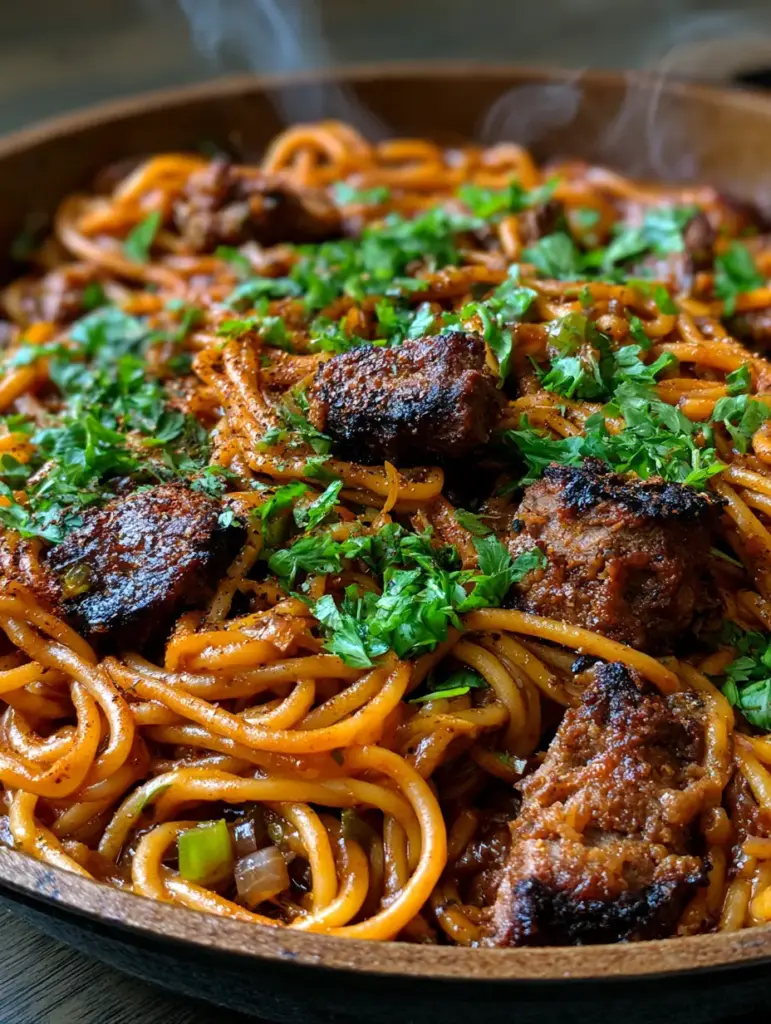
Imagine sliding your fork into a rustic cast iron skillet filled with noodles coated in a glossy, dark gravy, punctuated by the crunch of softened peppers and the heat of cracked black pepper. This isn’t just another pasta dish; it is a masterclass in the Maillard reaction, utilizing high-heat searing to develop flavors that are usually reserved for slow-cooked stews. Every bite offers a texture-rich experience, from the crispy charred edges of the beef to the vibrant, fresh pop of flat-leaf parsley.
Why This Skillet Pasta Beats Dirty Rice Every Single Time
- Textural Contrast: Unlike rice, which can sometimes become uniform in texture, the al dente spaghetti provides a firm “snap” that contrasts perfectly with the craggy, well-browned beef crumbles.
- Deep Mahogany Flavor: We utilize a specific deglazing technique to ensure the sauce achieves a dark, savory profile that looks like it has been simmering for hours, but only takes thirty minutes.
- Superior Sauce Adhesion: The natural starches in the spaghetti, combined with a glossy oil sheen and beef reduction, create a sauce that coats every single strand rather than pooling at the bottom of the bowl.
- Visual Drama: Served straight from the cast iron, the contrast between the vibrant green peppers, yellow onions, and the deep brown sauce makes this a centerpiece-worthy meal for Enthusiastic Home Cooks.
The Essential Pantry Staples for That Deep Mahogany Glow
To achieve the specific visual results seen in our professional culinary photography, we must select ingredients that offer both flavor and pigment. The dark color of this Cajun dirty spaghetti comes from the combination of high-fat ground beef and specific liquid aromatics that caramelize under heat.
Ground Beef (80/20 Lean-to-Fat Ratio): You need 1 lb (454g) of ground beef. The higher fat content is non-negotiable here, as it provides the glossy oil sheen required for the sauce and allows the beef to develop those craggy, charred edges without drying out.
Dried Spaghetti Noodles: Use 12 oz (340g) of high-quality semolina spaghetti. We cook these just shy of the package directions to ensure they remain al dente even after they are tossed in the hot skillet with the savory sauce.
The “Trinity” Foundation: You will need 1 large yellow onion (approx. 200g) and 1 medium green bell pepper (approx. 150g), both finely diced. These provide the aromatic base and the softened, translucent vegetable textures that define a true Cajun-inspired dish.
Deep Umami Liquid Base: To achieve that mahogany color, we use 1 cup (240ml) of high-quality beef bone broth mixed with 1 tbsp (15ml) of Worcestershire sauce. This combination provides the “dirty” color and a savory backbone that enhances the natural beefiness of the dish.
Signature Cajun Spice Blend: A combination of 1 tsp (2g) coarse cracked black pepper, a generous pinch of cayenne pepper (approx. 1/4 tsp), and salt to taste. The coarse pepper is vital for the visual “dusting” effect on the final plate.
Fresh Garnishes: 1/2 cup (15g) of freshly chopped flat-leaf parsley. The parsley must be added at the very end to maintain its vibrant green color against the dark sauce, providing a necessary visual and flavor lift.
The Tools Needed for Perfect Cast Iron Searing
To recreate the exact look of our classic Cajun flavors in pasta form, the equipment is just as important as the ingredients. You cannot achieve the same level of browning in a non-stick pan that you can in seasoned metal.
A 12-inch (30cm) cast iron skillet is the preferred vessel for this recipe. The thermal mass of the cast iron allows the ground beef to sear and develop a crust (fond) that later dissolves into the sauce, providing that signature mahogany color. Additionally, a large pot for boiling the pasta and a sturdy stainless steel spatula for scraping the “craggy chunks” of beef off the bottom of the pan are essential.
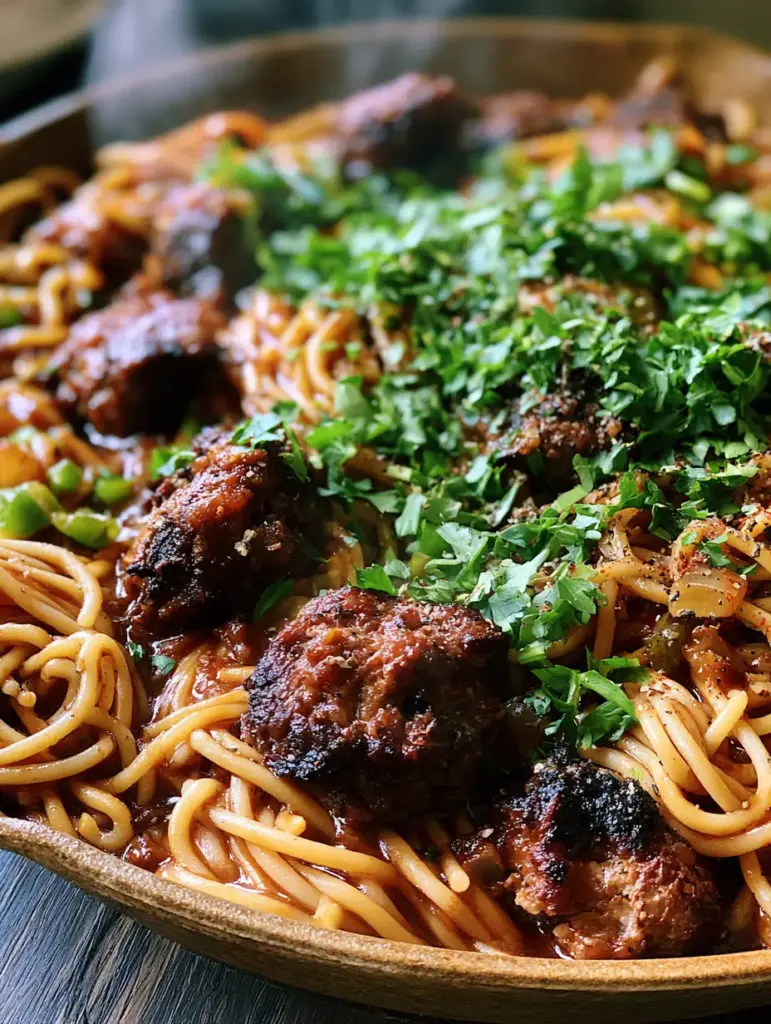
Building the Layers of Dark, Savory Flavor
1. Preparing the Pasta Foundation
Bring a large pot of heavily salted water to a rolling boil. Add your 12 oz (340g) of spaghetti and cook for exactly 2 minutes less than the “al dente” instructions on the box. This is a crucial culinary step; the pasta will finish cooking in the beef juices, allowing it to absorb the flavor without becoming mushy.
2. The Art of the Craggy Beef Sear
Heat 1 tbsp (15ml) of neutral oil in your cast iron skillet over medium-high heat until you see a faint wisp of smoke. Add the ground beef in large chunks rather than breaking it up immediately. Let it sit undisturbed for 3-4 minutes until a deep, dark brown crust forms on the bottom. Flip the chunks and break them into smaller, craggy pieces, ensuring you leave some larger, charred bits for texture.
3. Softening the Aromatics
Once the beef is well-browned, add your diced yellow onions and green bell peppers directly into the rendered beef fat. Sauté for 5-6 minutes. You are looking for a specific visual cue: the onions should be translucent and the peppers softened, but they should not have lost their distinct shape.
4. Deglazing for the Mahogany Sauce
Pour in the beef broth and Worcestershire sauce. Use your spatula to scrape every bit of browned “fond” from the bottom of the skillet. This is where the Cajun dirty spaghetti gets its color. Simmer the liquid for 3-5 minutes until it reduces by half and takes on a thick, glossy sheen.
5. The Final Marriage of Sauce and Silk
Transfer the undercooked spaghetti directly from the water into the skillet using tongs. Toss vigorously over medium heat. The remaining pasta water clinging to the noodles will emulsify with the beef fat and broth, creating a dark, savory glaze that coats every strand. If the sauce looks too dry, add 1/4 cup (60ml) of reserved pasta water.
Expert Tips for the Ultimate Maillard Reaction
- Don’t Over-Stir the Beef: The secret to “craggy chunks” is patience. If you move the meat too much, it will steam rather than sear, resulting in a grey color instead of the deep mahogany we desire.
- Temperature Control: If the sauce is reducing too quickly before the pasta is ready, kill the heat. Cast iron retains heat exceptionally well and will keep the sauce warm without burning the sugars in the Worcestershire.
- The Parsley Pop: Always chop your parsley just before serving. If you chop it too early, the edges will bruise and darken, losing the vibrant contrast against the dark noodles.
- Spice Balance: Cajun food is about depth, not just heat. The coarse black pepper provides a woody warmth, while the cayenne provides the “back-of-the-throat” zing. Adjust the cayenne slowly!
How to Store and Reheat Your Cajun Skillet Pasta
This dish stores exceptionally well because the oil sheen prevents the noodles from clumping together into a solid mass. Place leftovers in an airtight container and refrigerate for up to 3 days. We do not recommend freezing this dish, as the texture of the bell peppers can become grainy upon thawing.
To reheat, add the pasta back to a skillet with a splash of beef broth or water. Cover and heat over medium-low, tossing occasionally until the glossy sheen returns and the beef is heated through. Avoid the microwave if possible, as it can make the spaghetti rubbery.
What to Serve With This Savory Skillet Masterpiece
Because this Cajun dirty spaghetti is so rich and savory, you want side dishes that offer acidity or freshness. A crisp green salad with a lemon vinaigrette is a perfect palate cleanser. If you want to lean into the theme, try serving it alongside a one-pot chicken pasta alternative for a multi-pasta Cajun feast.
For those who love variety, this dish also pairs beautifully with roasted okra or a piece of buttery garlic bread to soak up any remaining mahogany sauce. If you prefer a creamier profile next time, consider trying our creamy Cajun sauce which offers a different take on these classic spices.
Frequently Asked Questions
Yes, but ground turkey has less fat and pigment. You may need to add an extra tablespoon of oil to achieve the glossy sheen and a drop of browning sauce (like Kitchen Bouquet) to reach the deep mahogany color shown in the photos.
No! Never rinse the pasta for this dish. The starches on the surface of the noodles are necessary to help the mahogany sauce emulsify and cling to the spaghetti.
The recipe uses cayenne and coarse black pepper for a balanced heat. To increase the spice level, add 1/2 teaspoon of red pepper flakes during the deglazing step or use a hot Cajun seasoning blend in place of the salt.
It is named after ‘dirty rice,’ a Cajun staple where the white rice takes on a ‘dirty’ appearance from being cooked with finely minced meat, aromatics, and dark spices. In this version, the spaghetti noodles absorb the mahogany beef juices and fond to achieve the same effect.
Cast iron is superior for heat retention, which allows the ground beef to develop a hard sear and ‘craggy’ texture. It also creates a better fond on the bottom of the pan, which is essential for the dark, savory sauce.
The Full Cajun Dirty Spaghetti Recipe Card
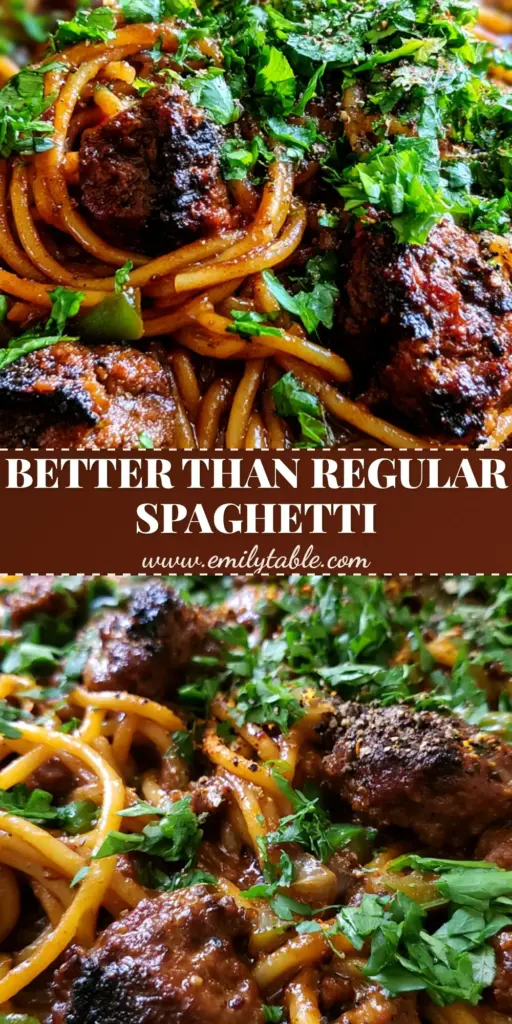
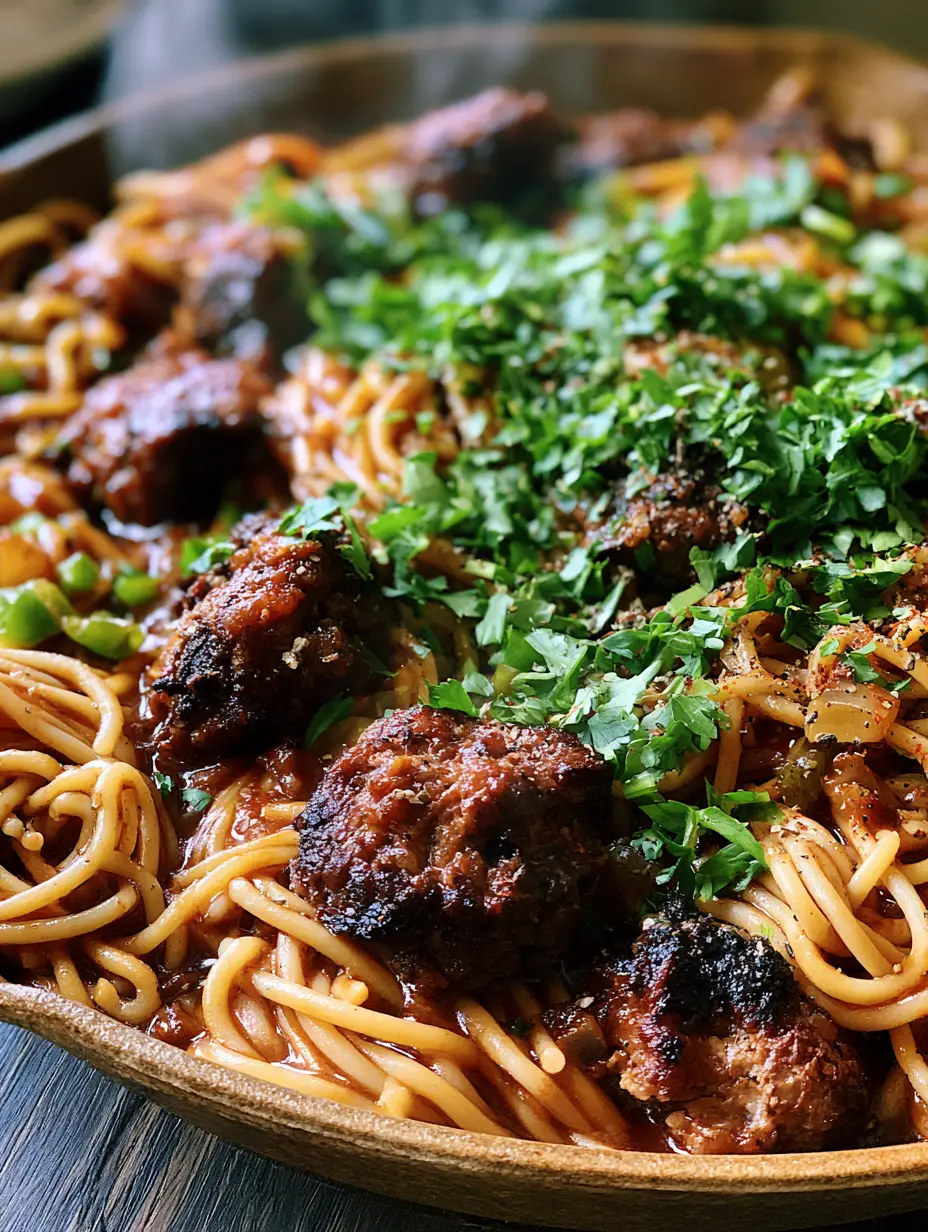
Cajun Dirty Spaghetti: The Ultimate Deeply Savory Cast Iron Skillet Meal
Ingredients
Equipment
Method
- Cook spaghetti in salted water for 2 minutes less than the package directions until very al dente.
- Heat oil in cast iron. Add beef in large chunks. Sear undisturbed for 4 minutes until charred edges form.
- Add onions and green peppers. Sauté for 5-6 minutes until onions are translucent and peppers are softened.
- Pour in beef broth and Worcestershire sauce. Scrape the bottom of the pan to release the mahogany-colored fond.
- Add spaghetti to the skillet. Toss vigorously to create a glossy sheen. Season with coarse pepper and cayenne.
- Top with fresh parsley and serve immediately from the skillet.
Notes
Save a little pasta water to loosen the sauce if it becomes too thick during the tossing phase.
Bring the Heart of Louisiana to Your Kitchen
Mastering the Cajun dirty spaghetti is a rite of passage for any home cook looking to expand their flavor repertoire beyond basic marinara. It is a dish defined by bold colors, intense umami, and the rustic charm of cast iron cooking. Once you see that glossy sheen on your own stovetop, you’ll understand why this has become a staple in our rotation.
Did you manage to get those perfect charred edges on your beef? Let us know in the comments below! If you loved this recipe, please share it with your fellow foodies on Pinterest and sign up for our newsletter for more deep-dives into culinary science.