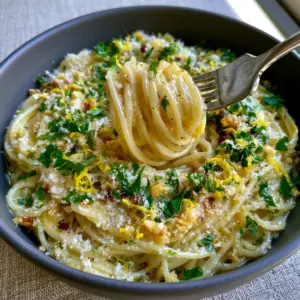
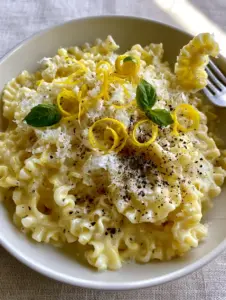
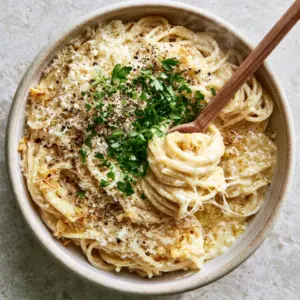
There is a specific, ethereal magic that occurs when hot pasta meets cold eggs and sharp cheese. The Italian Carbonara is not merely a recipe; it is a masterclass in culinary physics and emulsion science. When executed correctly, the result is a luminous, pale-yellow sauce that clings to every strand of spaghetti like liquid gold.
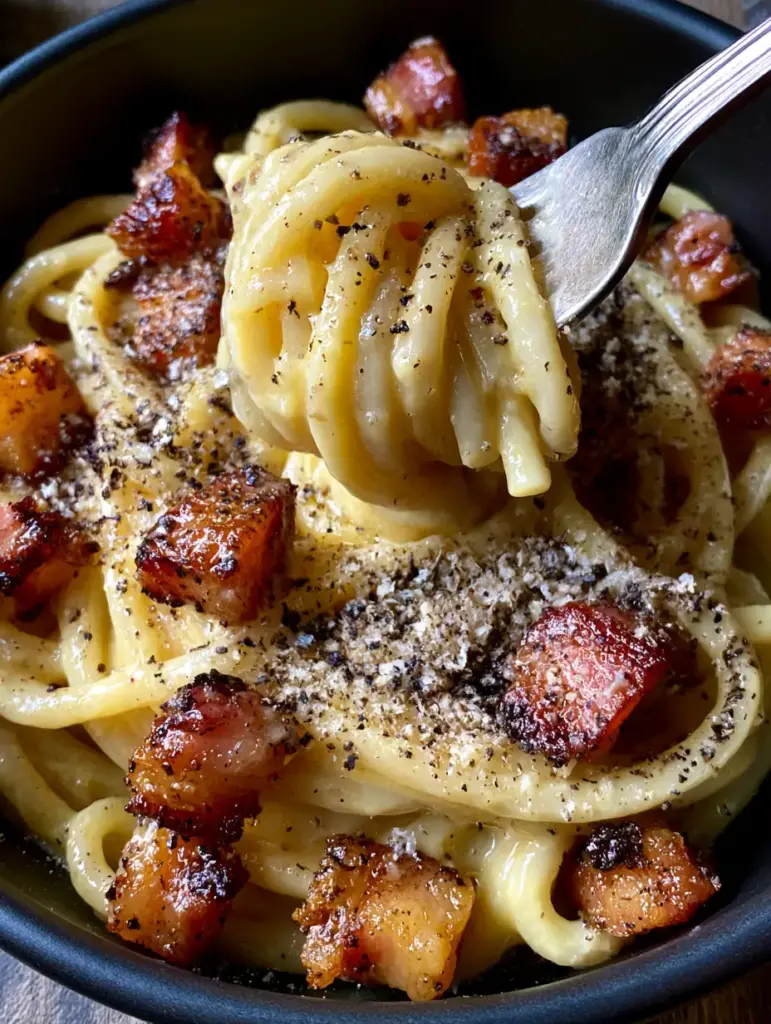
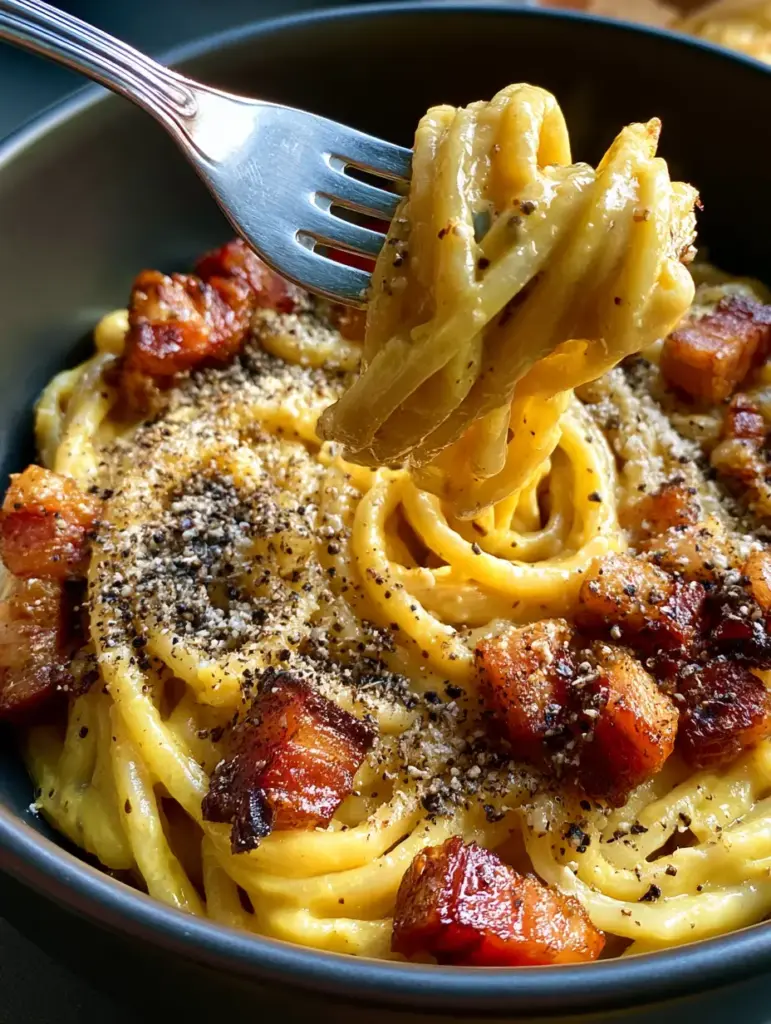
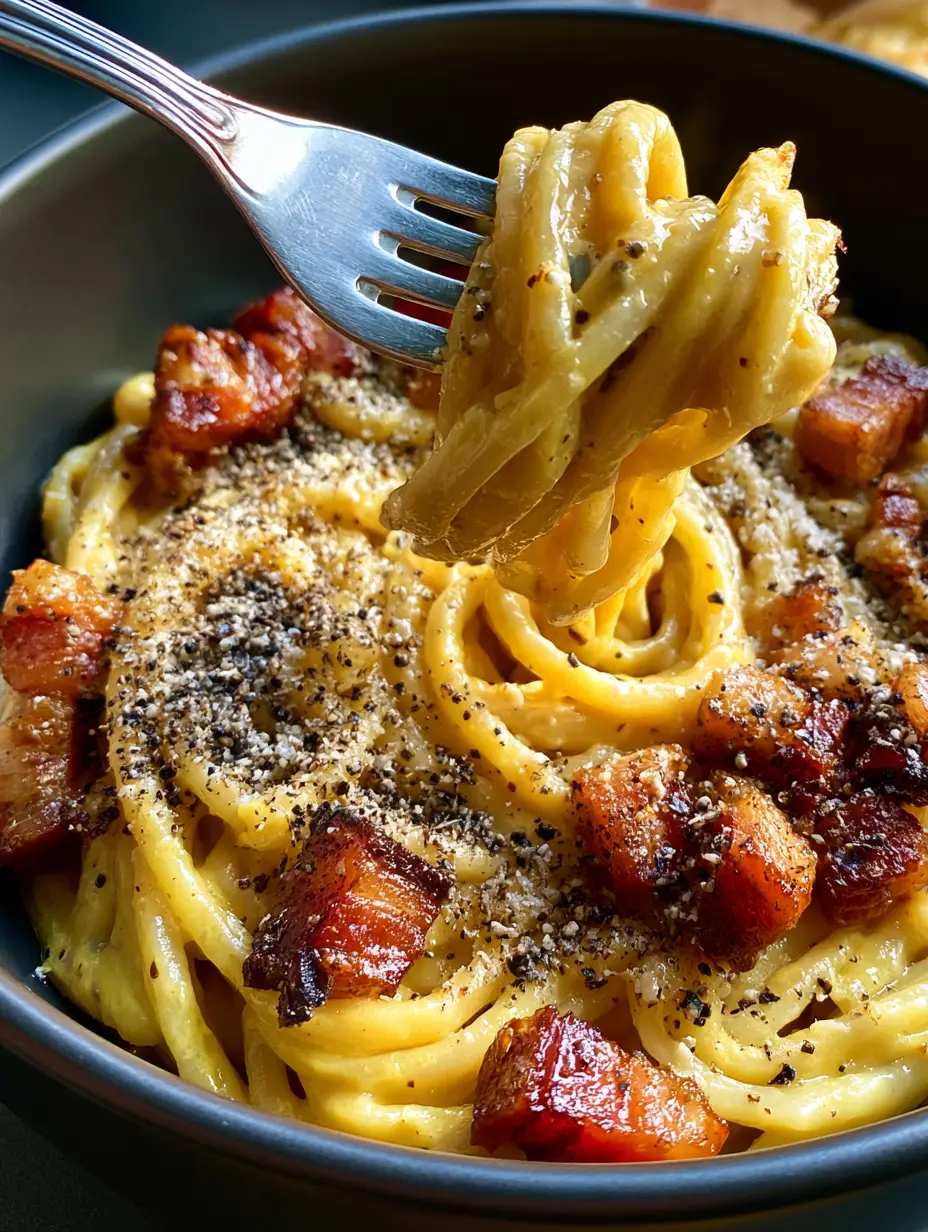
Imagine a matte black ceramic bowl, the dark backdrop making the vibrant yellow of the egg yolks pop with intensity. Each strand of al dente spaghetti is slicked in a glossy coating, punctuated by the aggressive crunch of golden-brown guanciale cubes. This is the authentic Roman experience—no cream, no compromise, and absolutely no scrambled eggs.
Our forensic approach to this Italian Carbonara ensures that you achieve that iconic, high-end food blog aesthetic in your own kitchen. Whether you are twirling a silver fork through the glistening bunch of noodles or capturing that perfect macro shot, this guide will lead you to pasta nirvana. We have deconstructed the traditional methods to provide you with the exact sensory cues needed for success.
The Structural Pillars of an Authentic Italian Carbonara
- Luminous Emulsion: A perfectly tempered blend of egg yolks and Pecorino Romano that creates a non-scrambled, silky coating.
- Textural Contrast: The interplay between the firm “to the tooth” spaghetti and the shattering crispness of rendered guanciale.
- Aromatic Depth: Coarsely cracked black pepper toasted in rendered pork fat for a spicy, smoky undertone.
- Glistening Finish: A final dusting of finely grated Pecorino that melts into the residual heat, adding a sharp, salty bite.
The Forensic Ingredient Breakdown for Roman Success
To recreate the visual and flavor profile of a true Italian Carbonara, every ingredient must serve a specific structural purpose. We do not use “invisible” fillers; we use foundational elements that build the dish’s architecture from the ground up.
Spaghetti (Dried, Bronze-Die): Look for spaghetti with a rough texture, as this allows the egg emulsion to grip the pasta. We use 1 lb (454g) of high-quality Italian pasta to ensure the starch content is high enough for a stable sauce.
Guanciale (Cured Pork Jowl): This is non-negotiable for the “golden-brown, crispy fried guanciale” described in our blueprint. You will need 5 oz (142g), sliced into thick cubes to ensure they remain succulent in the center while the exterior turns glistening and crisp.
Pecorino Romano: This sheep’s milk cheese provides the sharp, salty backbone of the dish. Use 1.5 cups (150g) of finely grated cheese; the fine texture is essential for it to melt instantly into the egg yolks without clumping.
The Egg Ratio: To achieve that “luminous, pale-yellow” hue, we use a mixture of 1 whole egg and 4 large egg yolks. The extra yolks provide the lecithin needed for a thick, stable emulsion that reflects light beautifully on the plate.
Black Peppercorns: Do not use pre-ground pepper. You need 2 tsp (10g) of whole peppercorns, coarsely cracked to provide the visual “heavy sprinkle” and a bold, spicy punch that cuts through the richness of the fat.
Pasta Water (The Liquid Gold): Reserve at least 1 cup (240ml) of the starchy cooking water. This is the “invisible” glue that binds the cheese and egg into a cohesive, flowing sauce.
Essential Equipment for a Professional Plating
Achieving a high-end food blog aesthetic requires more than just ingredients; you need the right tools to manage heat and texture. The most critical piece is a large stainless steel skillet for rendering the fat and a heat-proof glass or stainless steel bowl for the “bain-marie” style tempering.
A matte black ceramic bowl is the ideal vessel for serving, as it provides a professional, high-contrast look that makes the yellow pasta and golden guanciale stand out. You will also need a silver fork for that iconic “mid-twirl” presentation, showing off the silky, non-scrambled texture of the sauce.
Mastering the Art of the Roman Emulsion
The secret to a world-class Italian Carbonara lies in the temperature control. If the pan is too hot, you get an omelet; if it is too cool, the sauce remains thin and watery. Follow these steps to hit the perfect “sweet spot.”
Step 1: Rendering the Guanciale to Glistening Perfection
Place your cubed guanciale into a cold skillet and turn the heat to medium-low. This slow start allows the fat to render out completely, resulting in cubes that are deep golden-brown and incredibly crispy. Once the fat has melted and the meat is crisp, remove the pan from the heat and set aside, leaving the glistening rendered fat in the pan.
Step 2: Preparing the Egg and Pecorino Base
In a separate mixing bowl, whisk together the egg yolks, whole egg, and the finely grated Pecorino Romano. The mixture should form a thick, pale-yellow paste. This is the foundation of your glossy emulsion. Add half of your coarsely cracked black pepper to this paste to allow the oils to begin infusing the eggs.
Step 3: Boiling the Spaghetti Al Dente
Bring a large pot of water to a boil, but season it with less salt than usual, as the Pecorino and guanciale are already quite salty. Cook the spaghetti until it is just shy of al dente—it should still have a firm core. This is vital because the pasta will finish cooking in the skillet with the sauce.
Step 4: The Marriage and Tempering
This is the most critical phase of the Italian Carbonara. Transfer the hot pasta directly from the water into the skillet with the guanciale and rendered fat. Toss vigorously to coat every strand. Now, remove the skillet entirely from the heat source. Slowing down the heat transfer is what prevents the eggs from scrambling.
Add a splash of pasta water to the egg and cheese mixture to “temper” it, then pour the mixture over the pasta. Use tongs to lift and twirl the noodles constantly. The residual heat from the pasta will melt the cheese and thicken the eggs into a luminous, silky sauce that looks like liquid velvet.
Expert Tips for a Non-Scrambled Sauce
- The “Off-Heat” Rule: Never add your egg mixture to a pan that is still sitting on a hot burner. The residual heat of the pasta and the skillet is more than enough to cook the eggs safely.
- Pasta Water Precision: If the sauce looks too thick or “tacky,” add pasta water one tablespoon at a time. The starch in the water acts as an emulsifier, keeping the sauce smooth and glossy.
- Fresh Grating: Always grate your Pecorino Romano fresh from the block. Pre-shredded cheeses are coated in anti-caking agents that will cause your Carbonara to become grainy or clumpy.
- Peppery Punch: Toast your cracked black pepper in the guanciale fat for 30 seconds before adding the pasta. This blooms the piperine and creates a much deeper flavor profile.
What to Serve With Authentic Carbonara
Because the Italian Carbonara is so rich and savory, it pairs best with bright, acidic side dishes. A simple arugula salad with lemon vinaigrette provides a necessary palate cleanser between bites of the creamy spaghetti.
If you are looking for more inspiration for your next dinner party, consider exploring our authentic Italian pasta recipes for classic techniques. For a lighter, summer-themed gathering, this summer orzo pasta salad or a refreshing caprese pasta salad makes an excellent accompaniment to a multi-course Italian feast. If you want to lean into more bold flavors, our italian antipasto pasta salad is a crowd-pleaser that complements the smokiness of the guanciale.
Frequently Asked Questions
While bacon is a common substitute, guanciale (cured pork jowl) has a higher fat content and a more delicate texture. Bacon will provide a smokier flavor, whereas guanciale offers the authentic, glistening pork fat essential for the traditional Roman sauce.
No, authentic Italian Carbonara never uses cream. The creaminess comes entirely from the emulsion of egg yolks, finely grated Pecorino Romano, and starchy pasta cooking water.
Authentic Carbonara uses Pecorino Romano, which is saltier and sharper. You can use a mix of both if you prefer a milder flavor, but Pecorino is the traditional Roman standard.
Spaghetti is the traditional choice, but Rigatoni is also highly popular in Rome. The key is to use a pasta that can be thoroughly coated by the silky egg emulsion.
Scrambling occurs when the egg mixture is exposed to high, direct heat. To prevent this, always toss the pasta with the egg mixture ‘off-heat’ or in a tempered bowl, using the residual heat of the noodles to thicken the sauce gently.
The Ultimate Italian Carbonara Recipe
Italian Carbonara: The Definitive Roman Guide to Silky, Glossy Perfection
Ingredients
Equipment
Method
- Place guanciale cubes in a cold skillet over medium-low heat. Cook until the fat is fully rendered and the cubes are crispy and golden-brown.
- In a mixing bowl, combine 4 yolks, 1 whole egg, and the Pecorino Romano. Whisk into a thick paste with half the cracked pepper.
- Cook spaghetti in lightly salted water until just before al dente. Reserve 1 cup of starchy pasta water before draining.
- Add hot pasta to the guanciale skillet (off heat). Add a splash of pasta water to the egg mix, then pour over pasta. Toss rapidly until a glossy, luminous sauce forms. Top with remaining pepper and more cheese.
Notes
If the sauce is too thick, add reserved pasta water one tablespoon at a time for extra creaminess.
Closing & Call to Action
Creating a true Italian Carbonara is a rite of passage for any home cook. By focusing on the quality of your guanciale and the precision of your egg-to-cheese emulsion, you can achieve a restaurant-quality dish that is as visually stunning as it is delicious. The luminous, pale-yellow sauce and the crunch of the black pepper create a sensory experience that is truly unmatched.
Did you manage to get that perfect “glossy” finish? We would love to hear about your results! Leave a comment below or tag us in your photos. For more visual inspiration and daily recipe updates, be sure to follow us on Pinterest and sign up for our newsletter.