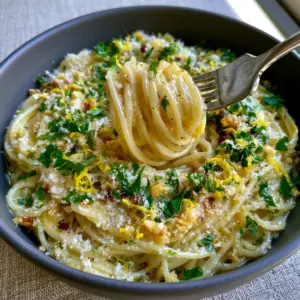
Spaghetti Aglio e Olio is the quintessential Roman comfort food, a dish that relies on the mastery of heat, fat, and timing. When executed correctly, each strand of al dente pasta is coated in a glistening veil of extra virgin olive oil, punctuated by the spicy heat of red pepper flakes and the nutty sweetness of golden garlic slivers.
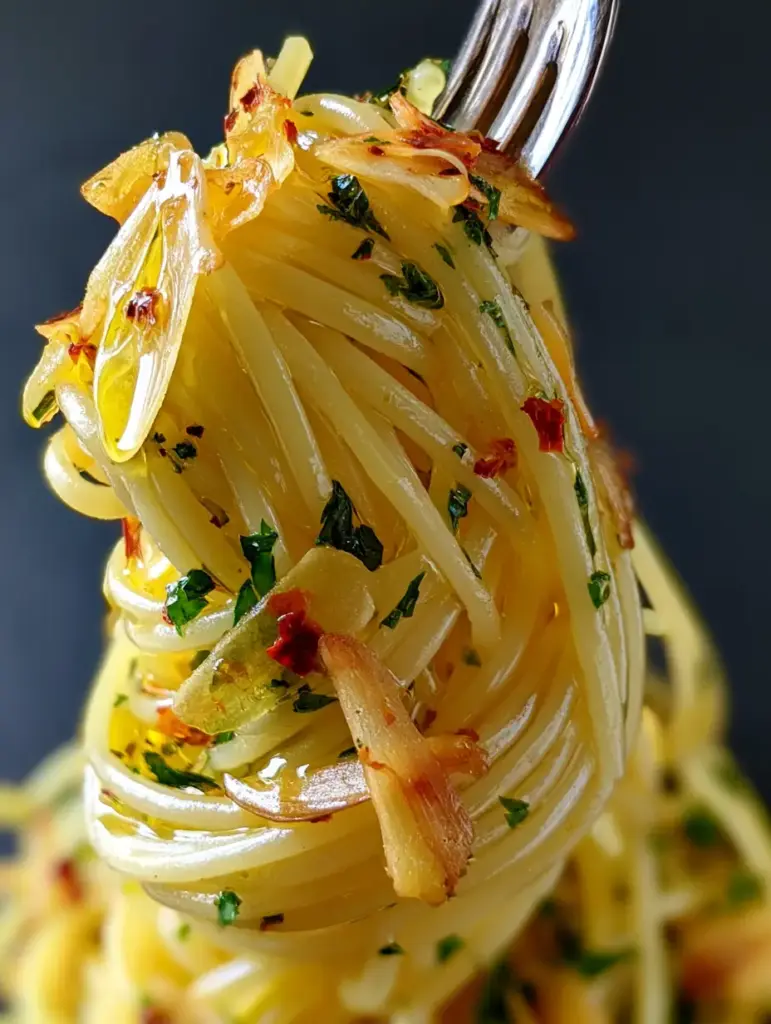
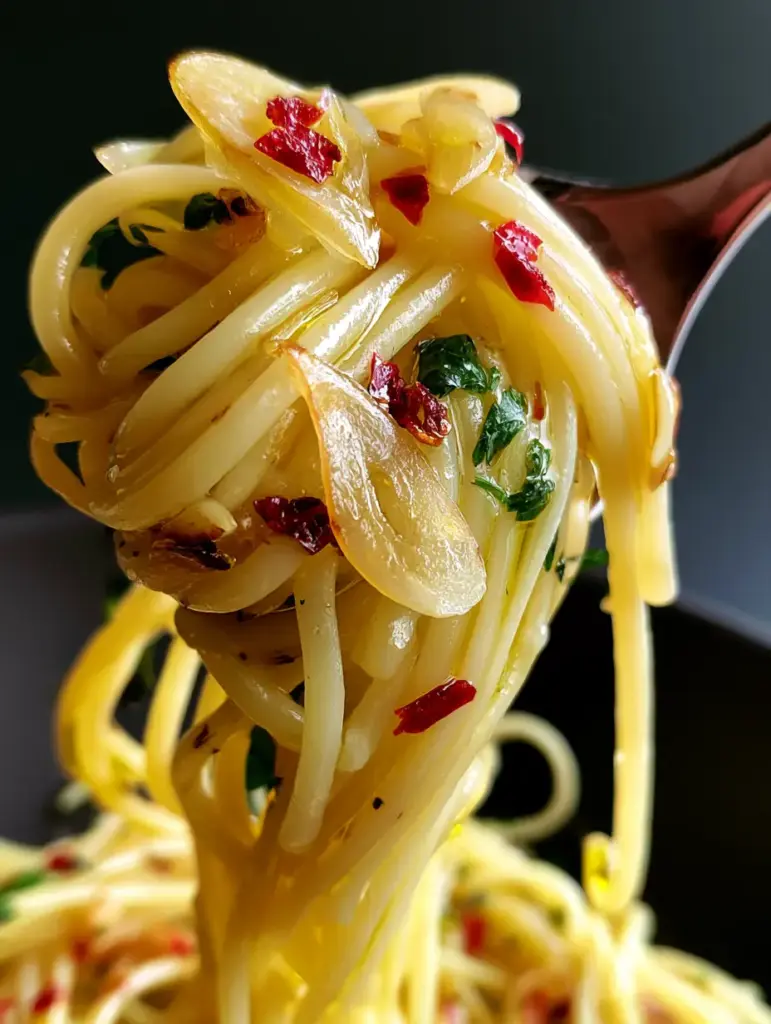
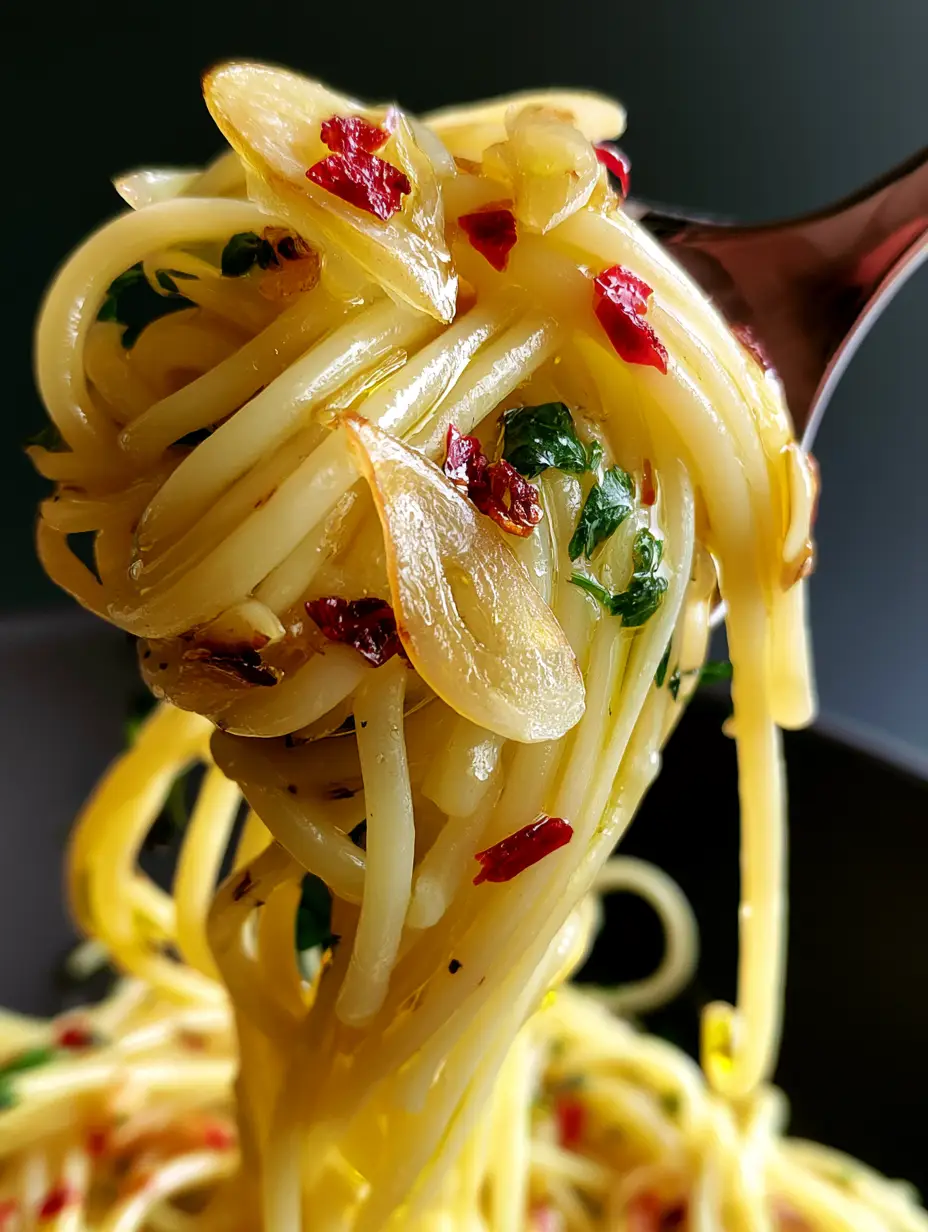
The visual appeal of this dish is undeniable, characterized by an elegant, tall twirl of pasta that catches the light with specular highlights. In this guide, we will explore the forensic details required to replicate the stunning macro-visuals of translucent garlic and vibrant emerald parsley trapped in a golden oil emulsion.
The Aesthetic Allure of Authentically Prepared Aglio e Olio
- Glistening Texture: A successful Spaghetti Aglio e Olio should never look dry or greasy; it must have a silky, reflective sheen from a tight oil-and-water emulsion.
- Golden Visual Cues: The garlic slivers must reach a precise light-golden brown, appearing almost translucent against the pale backdrop of the pasta.
- Vibrant Color Contrast: Flecks of bright ruby-red dried chili and emerald-green fresh parsley provide the essential pop of color that defines the dish’s visual identity.
- Textural Integrity: The pasta must remain strictly al dente, providing a firm, elastic bite that holds its shape in a tall, professional twirl.
The Essential Pantry for Authentic Roman Pasta
Dried Spaghetti (454g / 1 lb): High-quality bronze-die extruded pasta is essential because its rough surface helps the oil and pasta water emulsion cling to every strand. A thicker spaghetti provides the necessary structural integrity for a tall, elegant presentation.
Extra Virgin Olive Oil (120ml / 1/2 cup): This is the primary sauce component, so use a cold-pressed, high-quality oil with a peppery finish. The oil must be plentiful enough to create that intense glistening effect seen in professional food photography.
Fresh Garlic (8 large cloves): You must slice these into paper-thin, translucent slivers to achieve the delicate toasted look without the bitterness of thick chunks. Forensic accuracy requires these to be perfectly toasted to a light golden brown.
Red Pepper Flakes (1 tsp / 2g): Also known as pepperoncino, these provide the “bright ruby-red” flecks that cut through the richness of the oil. They should be toasted just long enough to release their oils into the pan.
Fresh Flat-Leaf Parsley (15g / 1/2 cup): Only use the leaves, finely chopped, to ensure “tiny flecks of vibrant emerald-green” are distributed throughout the twirl. Parsley adds a necessary herbaceous note that balances the pungent garlic.
Coarse Sea Salt (To taste): Use coarse grains for the pasta water to season the noodles from the inside out and a final pinch over the top for visible texture. The visible grains of salt on the finished dish add a gourmet, tactile finish.
Pasta Cooking Water (120ml / 1/2 cup, reserved): The starchy water is the “invisible” ingredient that binds the oil to the pasta, creating a sauce rather than a puddle of grease. This is the secret to the glistening highlights on the pasta strands.
Precision Tools for a Professional Pasta Finish
A large heavy-bottomed skillet or sauté pan is vital for maintaining even heat while toasting the garlic slivers. The surface area allows the pasta to be tossed vigorously, which is essential for the emulsification process.
A mandoline or an extremely sharp chef’s knife is required to achieve those paper-thin, translucent garlic slivers. Consistent thickness ensures all garlic pieces reach the perfect golden hue at the exact same time.
High-quality kitchen tongs or a carving fork are necessary for creating the tall, elegant twirl. A twisting motion against a large spoon or directly in the pan helps stack the spaghetti strands vertically.
Step-by-Step Technical Execution
Achieving the Perfect Al Dente Foundation
Bring a large pot of heavily salted water to a rolling boil. Add the spaghetti and cook for 1-2 minutes less than the package instructions indicate.
The pasta should be firm to the bite, as it will finish cooking in the skillet with the oil and water. Reserve at least one cup of the starchy pasta water before draining the noodles.
Mastering the Golden Garlic Infusion
In a large skillet, add the extra virgin olive oil and the garlic slivers while the oil is still cold. Set the heat to medium-low to slowly draw out the moisture from the garlic.
Watch for the sensory cues: the garlic will begin to sizzle softly and release a nutty aroma. Stir constantly until the slivers are translucent and reach a light, golden-brown toasted color.
The Emulsification and Finishing Flourish
Add the red pepper flakes to the oil and toast for 30 seconds until the oil takes on a slight ruby tint. Immediately add the reserved pasta water to the pan to stop the garlic from browning further.
Add the undercooked spaghetti to the skillet and increase the heat to medium-high. Toss vigorously with tongs until the liquid thickens into a glistening glaze that coats each strand perfectly.
Remove from heat and fold in the finely chopped parsley and a final sprinkle of coarse sea salt. The parsley should remain bright emerald and not wilt into a dark brown color.
Expert Tips for Culinary Success
- Cold Start Garlic: Always start your garlic in cold oil to prevent burning the outside before the flavor is fully infused into the fat.
- The Emulsion Secret: If the pasta looks dry, add an extra splash of pasta water; the starch acts as a bridge between the oil and the wheat.
- Avoid Over-Toasting: Garlic turns bitter instantly once it passes the golden stage, so be ready to add liquid the moment it looks like toasted parchment.
- Plating for Height: Use a carving fork to twirl the pasta in the pan, then lift vertically and slowly release onto the plate for that elegant, tall look.
Preserving and Refreshing Your Leftovers
Spaghetti Aglio e Olio is best served immediately to maintain the “glistening” quality of the oil. However, leftovers can be stored in an airtight container in the refrigerator for up to 2 days.
To reheat, avoid the microwave as it can make the oil feel greasy and the garlic acrid. Instead, place the pasta in a skillet over medium heat with a tablespoon of water and a fresh drizzle of olive oil to restore the emulsion.
Curating the Perfect Italian Menu
While this dish is a powerhouse on its own, it pairs beautifully with other Italian-inspired textures. For a lighter meal, serve it alongside a crisp arugula salad or some street corn pasta salad for a fusion twist.
If you are looking for a heartier pasta night, you might consider contrasting this simple oil-based dish with a Chicago-style spaghetti or a robust Cajun lasagna. For those who love bold spices, a side of blackened Cajun salmon pasta adds a high-protein element to the table.
Frequently Asked Questions
No. Bottled garlic lacks the structural integrity for translucent slivers and often has an acidic preservative taste that ruins the delicate oil-based sauce.
Slice the garlic paper-thin and start it in cold oil. Monitor the color closely; as soon as it reaches a light golden-brown, add liquid to the pan to stop the cooking process.
It should have a gentle, warming heat from the red pepper flakes. You can adjust the quantity to your preference, but the ruby-red flecks are essential for the visual and flavor balance.
Long, thin noodles like Spaghetti or Linguine are traditional. Look for bronze-die labels, as the rough texture is essential for the oil emulsion to cling to the pasta.
Dryness usually occurs when you skip the emulsification step. You must add starchy pasta water to the oil and toss vigorously over heat to create a silky, glistening sauce.
The Definitive Spaghetti Aglio e Olio Recipe
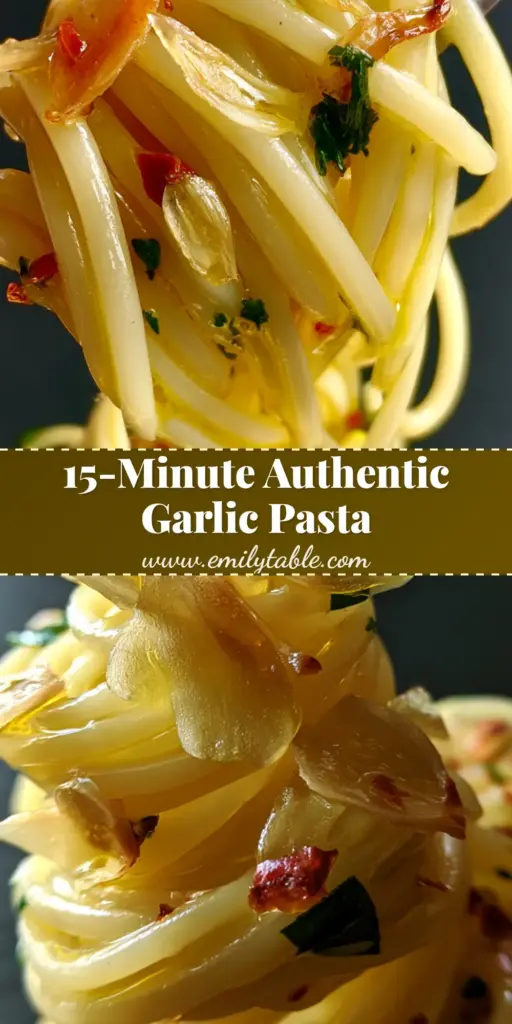
Spaghetti Aglio e Olio: The Ultimate Guide to Perfect Roman Pasta
Ingredients
Equipment
Method
- Bring a large pot of salted water to a boil and cook spaghetti until 2 minutes before al dente. Reserve 1 cup of pasta water.
- Add olive oil and garlic slivers to a cold skillet. Turn heat to medium-low and cook until garlic is light golden brown and translucent.
- Add red pepper flakes and cook for 30 seconds until the oil is fragrant and slightly tinted red.
- Add the drained pasta and 1/2 cup of reserved water to the skillet. Increase heat and toss vigorously until a glistening glaze forms.
- Remove from heat, fold in parsley and sea salt, and twirl into tall nests for serving.
Notes
Always finish the pasta in the skillet with a splash of starchy water for the perfect glistening sheen.
Final Thoughts on Mastering the Classics
Mastering Spaghetti Aglio e Olio is a rite of passage for any serious home cook. It teaches the importance of ingredient quality and the nuance of temperature control, resulting in a dish that is as beautiful as it is delicious.
If you enjoyed this forensic look at Italian classics, please leave a comment below and share your results! Don’t forget to follow Pinterest for more visually stunning recipe inspiration.