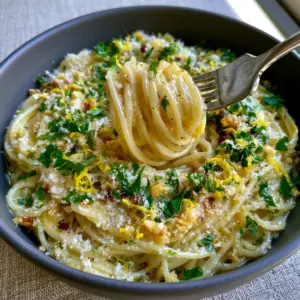
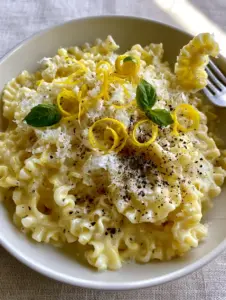
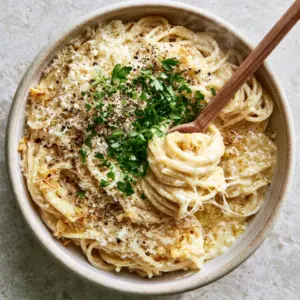
There is a specific kind of culinary magic that happens when high-quality whole milk cheese meets the vibrant, acidic zing of fresh citrus. This creamy lemon ricotta pasta is the embodiment of that magic, offering a dish that feels both incredibly indulgent and remarkably light. Unlike heavy cream-based sauces that can often mask the flavor of the pasta itself, this ricotta-based emulsion highlights the nutty notes of the wheat while providing a velvety, glossy coating that clings to every ridge of the rigatoni.
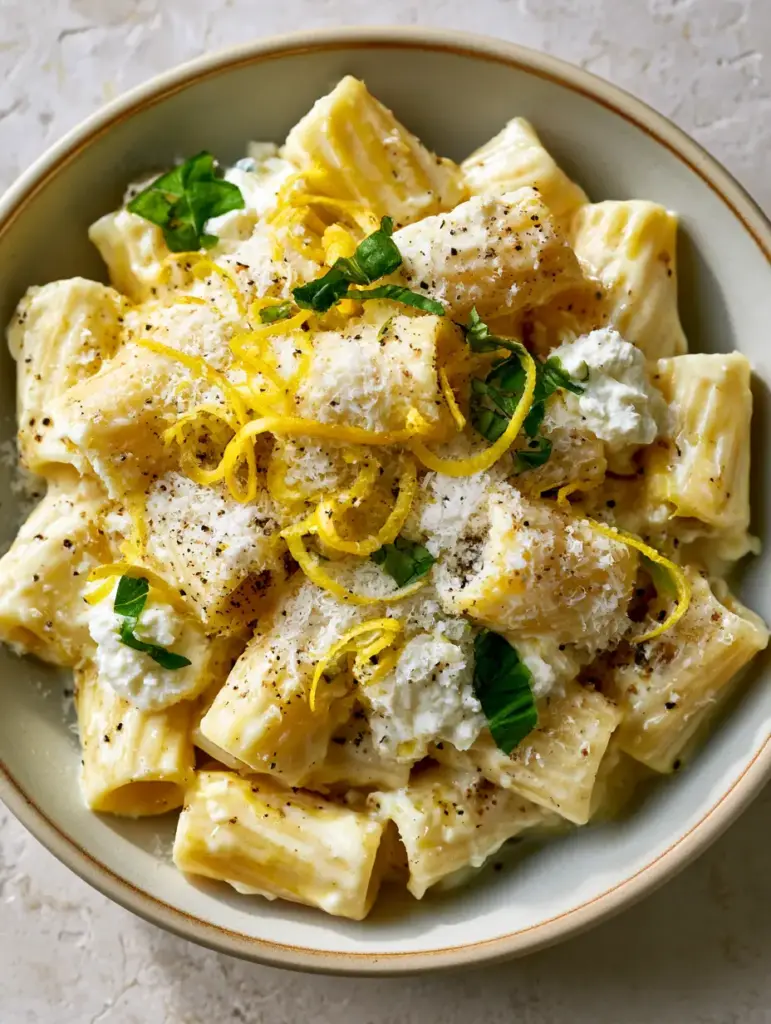
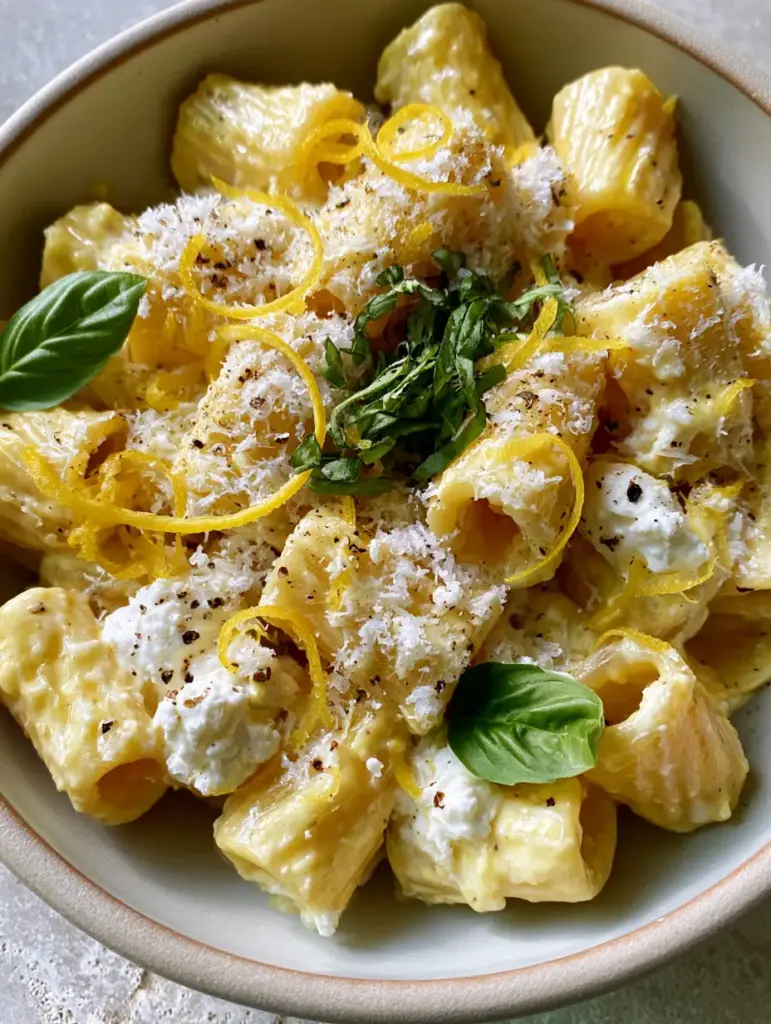
Inspired by the bright, sun-drenched flavors of Southern Italy, this recipe focuses on textural contrast. We are not just stirring cheese into noodles; we are creating a sophisticated “Visual Recipe Blueprint” that features a thick, pale-yellow sauce, airy dollops of whipped ricotta, and the aromatic crunch of fresh lemon zest curls. Every bite offers a symphony of temperatures and textures, from the hot, al dente pasta to the cool, fluffy cheese accents.
Whether you are looking for a sophisticated weeknight meal or a stunning centerpiece for a dinner party, this creamy lemon ricotta pasta delivers professional-grade results with approachable techniques. By following our forensic culinary approach, you will master the art of the pasta water emulsion, ensuring your sauce never breaks and remains perfectly glossy until the very last forkful.
Why This Citrus-Infused Rigatoni Works Every Time
- The Rigatoni Ridge Advantage: Using large, ridged rigatoni ensures that the thick ricotta emulsion finds a home in every nook and cranny, maximizing flavor delivery in every bite.
- Dual-Texture Ricotta: We use ricotta in two ways—emulsified into a warm sauce and whipped into cold, fluffy dollops—to create a dynamic sensory experience.
- Bright Acidic Balance: The fresh lemon zest and juice cut through the richness of the whole milk fats, preventing the dish from feeling overly heavy.
- Aesthetic Brilliance: With vibrant emerald green basil chiffonade and snowy micro-planed parmesan, this dish looks as good as it tastes, mimicking a high-end restaurant presentation.
The Essential Components for a Glossy Citrus Emulsion
To achieve the visual and structural perfection seen in our blueprint, you must select high-quality ingredients. Each element plays a specific role in the chemistry of the sauce.
Rigatoni Pasta (1 lb / 454g): Look for bronze-cut pasta if possible. The rougher surface area of bronze-cut noodles helps the lemon-ricotta sauce adhere better than smooth, Teflon-molded varieties.
Whole Milk Ricotta (15 oz / 425g): Do not use part-skim here. The higher fat content is required for a stable emulsion and that signature “glossy” appearance we are aiming for.
Fresh Lemons (2-3 large): You will need both the juice for the sauce’s tang and the zest for those beautiful, long yellow curls that provide an aromatic punch. If you love citrus, you might also enjoy our vibrant lemon pasta for a lighter take.
Extra Virgin Olive Oil (2 tbsp / 30ml): This provides the “olive oil sheen” mentioned in the blueprint and helps carry the fat-soluble flavors of the lemon zest throughout the dish.
Parmesan Cheese (1/2 cup / 45g): Use a microplane to achieve that “snowy” texture. Freshly grated cheese melts more evenly into the sauce than the pre-shredded bottled versions.
Fresh Basil (1 bunch): A chiffonade of vibrant emerald green basil provides the necessary herbaceous finish. If you have leftover basil, it goes perfectly in a classic pesto pasta later in the week.
Starchy Pasta Water (1 cup / 240ml): The “invisible” hero. The starches released by the pasta during boiling act as a bridge between the watery lemon juice and the fatty ricotta, creating a smooth, unified sauce.
Professional Tools for the Perfect Pasta Texture
While you don’t need a commercial kitchen, certain tools are non-negotiable for achieving the specific visual cues of this creamy lemon ricotta pasta. A microplane is essential for that snowy parmesan dust and for removing only the yellow zest from the lemons without hitting the bitter white pith.
You will also need a large heavy-bottomed skillet or Dutch oven. This provides enough surface area to toss the rigatoni thoroughly in the sauce without crushing the noodles. A hand mixer or a small whisk is required to transform the plain ricotta into the “fluffy white whipped” dollops that decorate the final bowl.
Mastering the Art of the Ricotta Emulsion: Step-by-Step
1. Achieving the Perfect Al Dente Foundation
Bring a large pot of heavily salted water to a rolling boil. It should taste like the sea—this is your only chance to season the pasta itself. Add 1 lb (454g) of rigatoni and cook for 1-2 minutes less than the package instructions indicate.
We want the pasta to be slightly undercooked because it will finish cooking in the sauce. Before draining, reserve at least 1.5 cups (350ml) of the cloudy, starchy pasta water. This is the liquid gold that prevents your creamy lemon ricotta pasta from becoming dry or clumpy.
2. Preparing the Whipped Ricotta Accent
While the pasta boils, take about 1/2 cup (120g) of your whole milk ricotta and place it in a small bowl with a pinch of salt and a teaspoon of olive oil. Using a whisk or hand mixer, beat the cheese vigorously for 2 minutes until it becomes airy and light.
Set this aside at room temperature. These are the dollops that will be tucked between the pasta ridges later, providing a cool contrast to the warm sauce. This technique is similar to how we handle cheese in our savory tomato ricotta pasta.
3. Crafting the Glossy Lemon-Ricotta Sauce
In your large skillet, combine the remaining ricotta, the zest of one lemon, 1/4 cup (60ml) of fresh lemon juice, and 2 tablespoons (30ml) of olive oil. Turn the heat to low—never boil the ricotta, or it may grain.
Slowly whisk in 1/2 cup (120ml) of the reserved pasta water. You are looking for a visual change: the mixture should transform from a lumpy cheese paste into a thick, pale-yellow, glossy emulsion that coats the back of a spoon.
4. The Final Toss and Emulsification
Add the hot, drained rigatoni directly into the skillet with the lemon-ricotta mixture. Increase the heat to medium-low and toss continuously for 2 minutes. If the sauce looks too thick, add more pasta water a tablespoon at a time.
The goal is a “glossy lemon-ricotta emulsion” that clings to every ridge. The heat will allow the pasta to absorb the lemon flavor while the starch sets the sauce. Fold in half of the parmesan cheese at this stage to add a savory depth that balances the citrus.
Expert Tips for Visual and Flavor Success
- Temperature Control: If the skillet is too hot when you add the ricotta, the proteins will tighten and turn the sauce grainy. Keep the heat low and rely on the residual heat of the pasta to melt the cheese.
- Zest Before Juice: Always zest your lemons before cutting and juicing them. It is nearly impossible to zest a squeezed, limp lemon half.
- The Chiffonade Technique: Stack your basil leaves, roll them into a tight cigar shape, and slice thinly. This creates the “emerald green” ribbons that look professional and prevent the herb from bruising and turning black.
- Seasoning in Layers: Ricotta is naturally sweet. Don’t be afraid of the “cracked black pepper” mentioned in the blueprint; it provides the necessary heat to counter the creamy fats.
Storing and Reheating Your Creamy Pasta
Like most dairy-based dishes, this creamy lemon ricotta pasta is best enjoyed immediately. However, if you have leftovers, store them in an airtight container in the refrigerator for up to 3 days. The pasta will absorb the sauce as it sits.
To reheat, do not use the microwave if possible, as it can cause the oil to separate. Instead, place the pasta in a pan with a splash of water or milk over low heat. Stir gently until the creaminess returns. If you enjoy meal prepping creamy dishes, you might also like our garlic butter pasta which holds up well to reheating.
What to Serve with Creamy Lemon Ricotta Pasta
To round out this meal, serve it with a crisp green salad or roasted vegetables. The acidity of the lemon in the pasta pairs beautifully with a side of spring peas or even a light garlic-infused vegetable medley.
For those who want a bit of protein, grilled shrimp or sliced chicken breast seasoned with lemon pepper makes an excellent addition. If you’re in the mood for something heartier and spicy, you can pivot to a cajun-style pasta for your next meal prep session.
Frequently Asked Questions
Yes! Grilled chicken, sautéed shrimp, or even crispy pancetta pair beautifully with the bright citrus and creamy cheese flavors.
It is not recommended. Whole milk ricotta has the fat content necessary to create a stable, glossy emulsion. Low-fat versions often turn grainy or watery when heated.
Use a channel knife for thick curls or a microplane for a snowy texture. For the curls shown in the photos, a vegetable peeler can be used to take off a strip, which you then slice into thin ribbons.
Rigatoni is ideal because its large ridges and hollow center catch and hold the thick ricotta emulsion perfectly. Penne or fusilli are also good substitutes.
Graininess usually happens if the heat is too high. Ricotta proteins clump when boiled. Always whisk the sauce over low heat and use starchy pasta water to smooth it out.
The Ultimate Creamy Lemon Ricotta Pasta Recipe
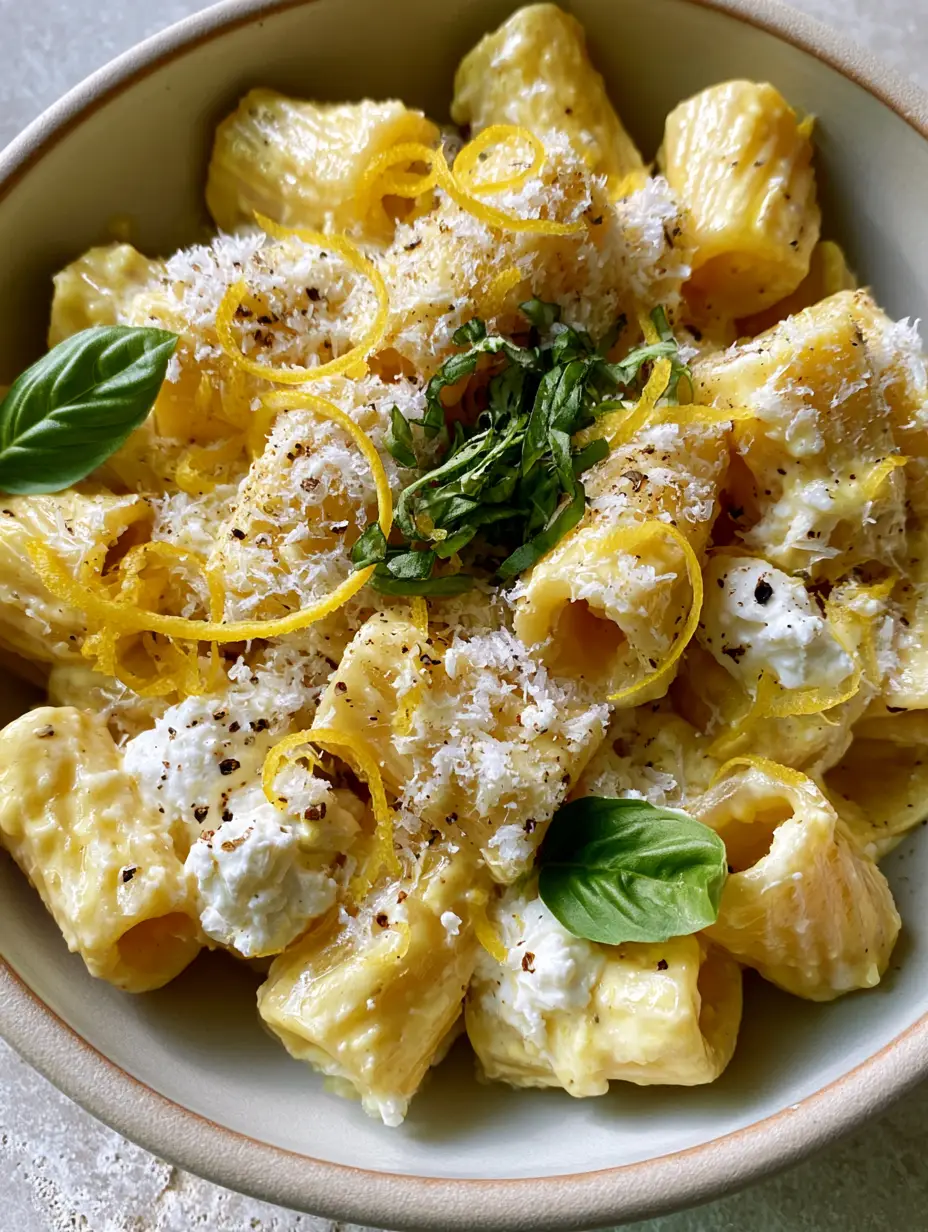
Creamy Lemon Ricotta Pasta with Fresh Basil and Whipped Ricotta
Ingredients
Equipment
Method
- Cook rigatoni in salted boiling water until 1 minute before al dente. Reserve 1.5 cups (350ml) of starchy pasta water before draining.
- Take 1/2 cup (120g) of ricotta and whisk with a teaspoon of olive oil and a pinch of salt until light and fluffy. Set aside.
- In a large skillet over low heat, whisk the remaining ricotta, lemon juice, half the zest, and olive oil with 1/2 cup (120ml) of pasta water until a thick, glossy, pale-yellow sauce forms.
- Add rigatoni to the sauce. Toss vigorously, adding more pasta water as needed to maintain a silky sheen. Fold in half the parmesan.
- Plate the pasta and tuck dollops of the whipped ricotta between the noodles. Top with snowy parmesan, lemon zest curls, basil chiffonade, and cracked black pepper.
Notes
Reserve more pasta water than you think you need to fix a dry sauce.
Closing & Call to Action
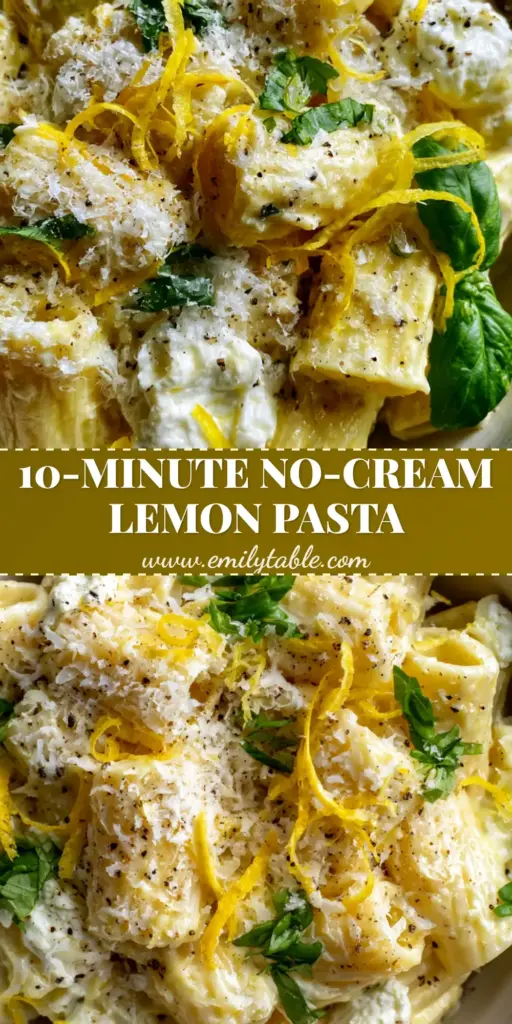
This creamy lemon ricotta pasta is a testament to the power of simple, high-quality ingredients handled with care. By focusing on the emulsion and the textural garnishes, you’ve created a dish that looks like a smartphone-perfect masterpiece and tastes like a trip to the Italian coast. If you enjoyed this recipe, please leave a comment below and share your photos! Don’t forget to save this to your favorite recipe board on Pinterest for your next easy dinner night.