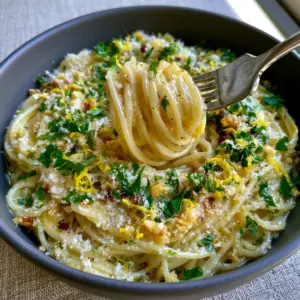
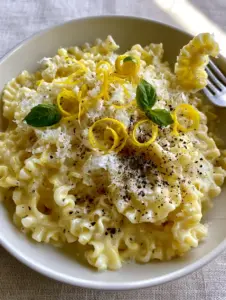
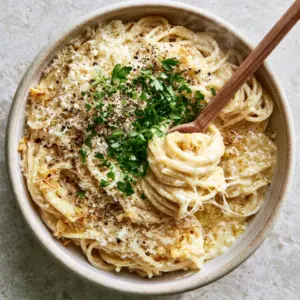
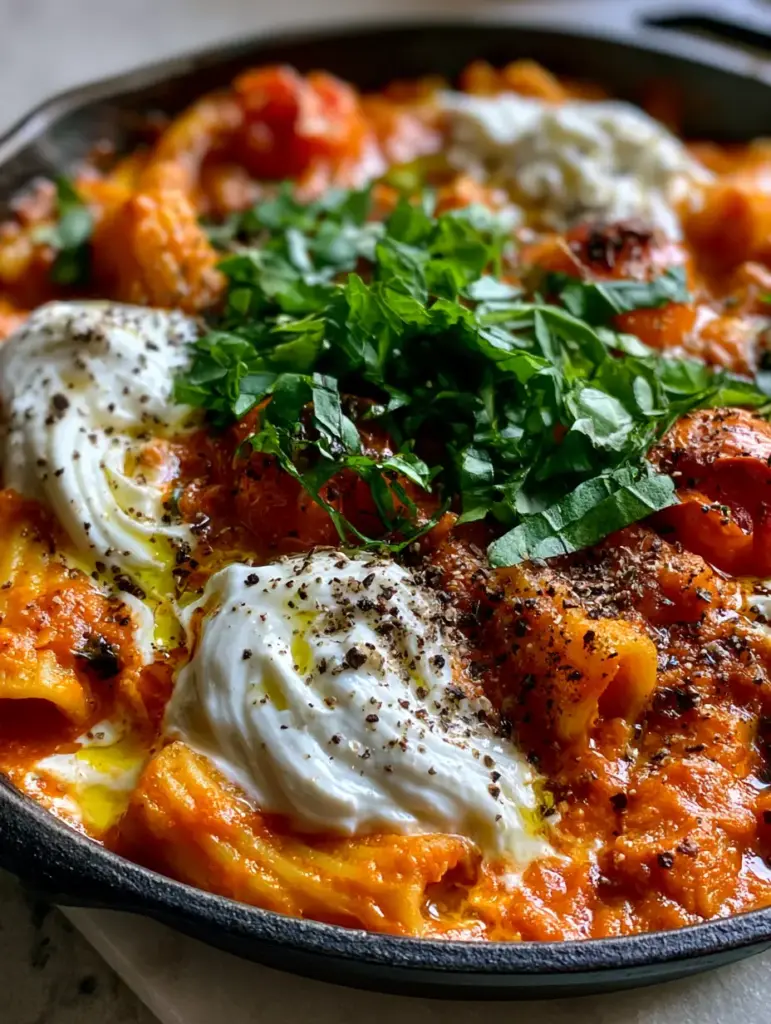
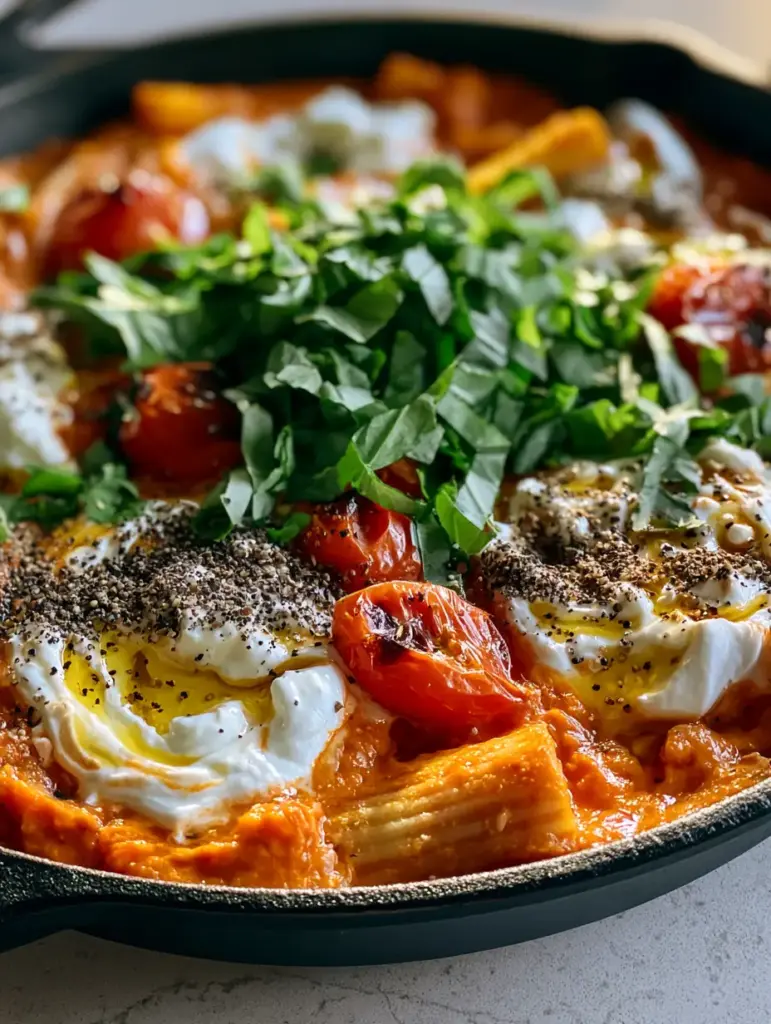
There is a specific culinary magic that happens when high-heat blistering meets velvety dairy. This Creamy Tomato Ricotta Pasta is the physical embodiment of that contrast, featuring rigid tubes of al dente rigatoni trapped in a thick, vibrant orange-red sauce. The visual appeal is undeniable, especially when served in a rustic matte black cast iron skillet that makes the colors pop.
Every bite offers a transition of textures. You get the snap of the pasta, the burst of charred cherry tomatoes, and the cooling, pillowy dollops of snowy white whipped ricotta. It is a restaurant-quality meal designed for the home cook who appreciates the finer details of heat management and flavor layering.
If you have been searching for a dish that looks as good as it tastes, this is your definitive guide. We are going to dive deep into the science of the perfect tomato emulsion and how to achieve those signature char marks on your tomatoes without turning them into mush.
Why This Creamy Tomato Ricotta Pasta Will Redefine Your Dinner Routine
- The Marble Effect: By dolloping the whipped ricotta rather than stirring it in completely, you create an artistic white-and-red swirl that ensures every forkful is unique.
- Cast Iron Depth: Using a matte black skillet isn’t just for aesthetics; the heat retention creates a superior sear on the tomatoes and keeps the sauce at the perfect emulsification point.
- Textural Contrast: The combination of heavy cracked black pepper and fresh, hand-torn basil provides a sharp, aromatic finish to the rich, heavy cream-based sauce.
- Professional Foundation: This recipe utilizes a “double tomato” method—using both concentrated paste and crushed tomatoes—to achieve that deep, vibrant orange-red hue.
Essential Ingredients for the Ultimate Tomato Ricotta Experience
Rigatoni Pasta: You need 16 oz (454g) of high-quality bronze-cut rigatoni. The ridges are structurally necessary to grip the thick, velvety sauce, ensuring no flavor is left at the bottom of the skillet.
Cherry Tomatoes: 2 cups (300g) of fresh cherry or grape tomatoes. We will blister these at high temperatures to create slight char marks, releasing their natural sugars and adding a smoky complexity.
Whole Milk Ricotta: 1 cup (250g) of ricotta cheese. Avoid low-fat versions; the high fat content is what allows us to whip it into “snowy white” pillowy dollops that hold their shape against the hot pasta.
Heavy Cream: 1/2 cup (120ml) of heavy whipping cream. This is the “invisible” binder that transforms acidic tomato sauce into a silky, vibrant orange-red masterpiece.
Tomato Paste: 2 tbsp (32g) of double-concentrated tomato paste. Sautéing this in olive oil is the secret to achieving the deep color and rich umami base described in our visual blueprint.
Aromatics: 3 cloves of garlic, minced, and 1 medium shallot, finely diced. These provide the foundational scent and savory backbone that balances the sweetness of the tomatoes.
Extra Virgin Olive Oil: 4 tbsp (60ml) total. High-quality oil is used for both searing the tomatoes and providing that shimmering gold drizzle finish that catches the light.
Fresh Basil: 1 large bunch (about 1/2 cup or 15g) of fresh leaves. Tearing the basil by hand rather than chopping prevents bruising and releases the oils more effectively for a brighter aroma.
Coarse Cracked Black Pepper: 1 tsp (5g) or more to taste. A heavy sprinkle provides the “visual grit” and sharp bite needed to cut through the creamy ricotta.
The Culinary Toolkit: Why a Cast Iron Skillet Matters
To achieve the handheld smartphone photo look, you need a 12-inch (30cm) matte black cast iron skillet. The matte surface is non-reflective, which helps in food photography, but more importantly, it provides a consistent, high-heat environment for blistering tomatoes.
You will also need a high-speed whisk or a small food processor to achieve the “whipped” texture for the ricotta. Traditional ricotta is grainy; whipped ricotta is velvety and light. A standard pasta pot and a microplane for zesting (optional) round out your required equipment.
If you enjoy the versatility of ricotta in savory dishes, you might also love exploring our creamy lemon ricotta pasta for a brighter, citrus-forward variation. For those who prefer a more traditional red sauce approach, the roasted tomato and garlic ricotta pasta offers a similar flavor profile with a different cooking technique.
Step-By-Step Instructions for the Perfect Skillet Pasta
1. Preparing the Whipped Ricotta Clouds
In a small bowl, combine your 1 cup (250g) of ricotta with a pinch of salt and 1 tsp (5ml) of olive oil. Use a whisk to vigorously beat the mixture for 2 minutes until it becomes airy, smooth, and loses its grainy appearance. Set this aside at room temperature; dolloping cold cheese onto hot pasta can break the sauce’s emulsion.
2. Blistering the Cherry Tomatoes
Place your matte black cast iron skillet over medium-high heat with 1 tbsp (15ml) of olive oil. Once the oil is shimmering, add the cherry tomatoes in a single layer. Leave them undisturbed for 3 minutes. You are looking for the skins to pop and develop dark, distinct char marks. Remove them from the skillet and set aside, keeping the flavorful oil in the pan.
3. Building the Vibrant Orange-Red Sauce
In the same skillet, reduce heat to medium and add the remaining oil, shallots, and garlic. Sauté until translucent, then add the tomato paste. “Fry” the paste for 2 minutes until it turns a dark brick red. Pour in the crushed tomatoes and heavy cream, stirring constantly. You will see the sauce transform into that signature vibrant orange-red hue. Simmer for 10 minutes to thicken.
4. The Al Dente Pasta Toss
Boil your rigatoni in heavily salted water until it is just shy of al dente (usually 2 minutes less than the box instructions). Reserve 1/2 cup (120ml) of starchy pasta water. Transfer the rigatoni directly into the skillet. Toss vigorously, adding the pasta water a tablespoon at a time, until the sauce is thick, velvety, and clings to every ridge of the pasta.
Expert Tips for Success and Visual Brilliance
- Don’t Overmix the Ricotta: When you add the dollops at the end, do not stir them in completely. To achieve the “marbled effect” from our visual prompt, use a spoon to gently swirl only the edges of the white dollops into the red sauce.
- The Pasta Water Secret: The starch in the water is what creates the “velvety” texture. Without it, the sauce may appear oily rather than creamy.
- Controlled Charring: If your skillet isn’t hot enough, the tomatoes will steam rather than blister. Wait for the oil to barely smoke before adding the tomatoes.
- Freshness is Key: Only tear the basil leaves at the absolute last second. If you tear them too early, the edges will turn black and lose their bright green visual impact.
Pairing and Serving Suggestions
This Creamy Tomato Ricotta Pasta is a heavy, indulgent dish. It pairs beautifully with a crisp green salad dressed in a sharp vinaigrette to cut through the fat. If you are looking for other creamy inspirations, consider our creamy garlic tomato pasta for a punchier garlic flavor.
If you have leftover ricotta, it works perfectly in our lemon ricotta pasta or can be used as a base for a tomato burrata salad. For a protein boost, this sauce also complements the flavors found in our creamy cajun steak penne pasta.
Storage, Reheating, and Freezing
Storage: Keep leftovers in an airtight container in the refrigerator for up to 3 days. Note that the ricotta will lose its “whipped” fluffiness once refrigerated.
Reheating: The sauce will thicken significantly when cold. Reheat in a skillet over low heat, adding a splash of water or milk to loosen the sauce. Do not microwave on high, as the cream may separate.
Freezing: We do not recommend freezing this dish. The ricotta and heavy cream base can become grainy and lose their velvety texture upon thawing.
Frequently Asked Questions
You can substitute the heavy cream with full-fat coconut milk or cashew cream, and use a high-quality almond-based ricotta, though the ‘snowy’ whipped texture may vary slightly.
Yes, while rigatoni is ideal for its ridges and hollow center, penne or fusilli are excellent substitutes that will still hold the thick, creamy tomato sauce effectively.
The key is to whip the ricotta first and dollop it onto the pasta just before serving. Avoid stirring it in vigorously; a light swirl creates the desired marbled effect without losing the distinct snowy dollops.
Yes, the interaction between the bright red tomato paste/crushed tomatoes and the white heavy cream is what creates the vibrant orange-red ‘vodka-style’ hue described in the recipe.
Cast iron provides superior heat retention, which is essential for blistering the cherry tomatoes quickly without overcooking their interiors. It also provides a rustic, matte aesthetic for presentation.
The Final Creamy Tomato Ricotta Pasta Masterpiece
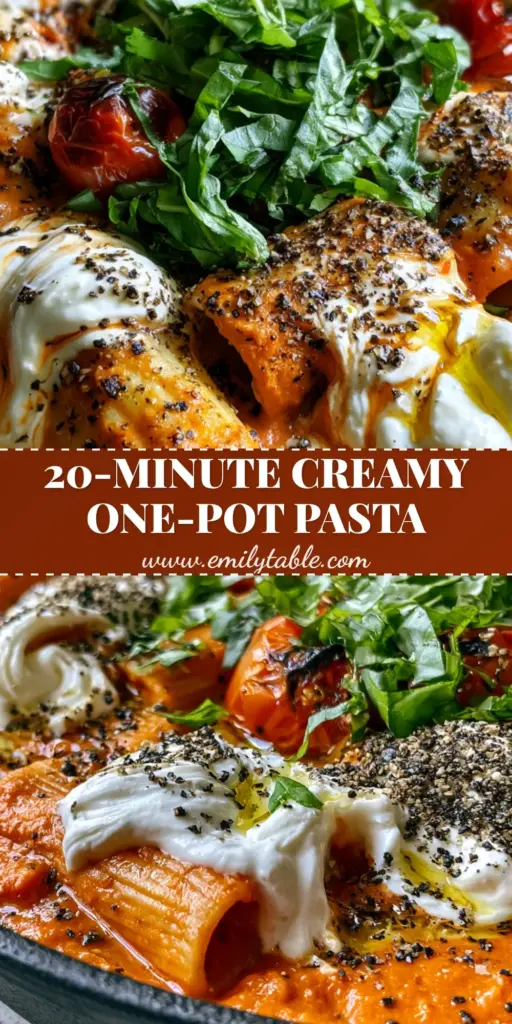
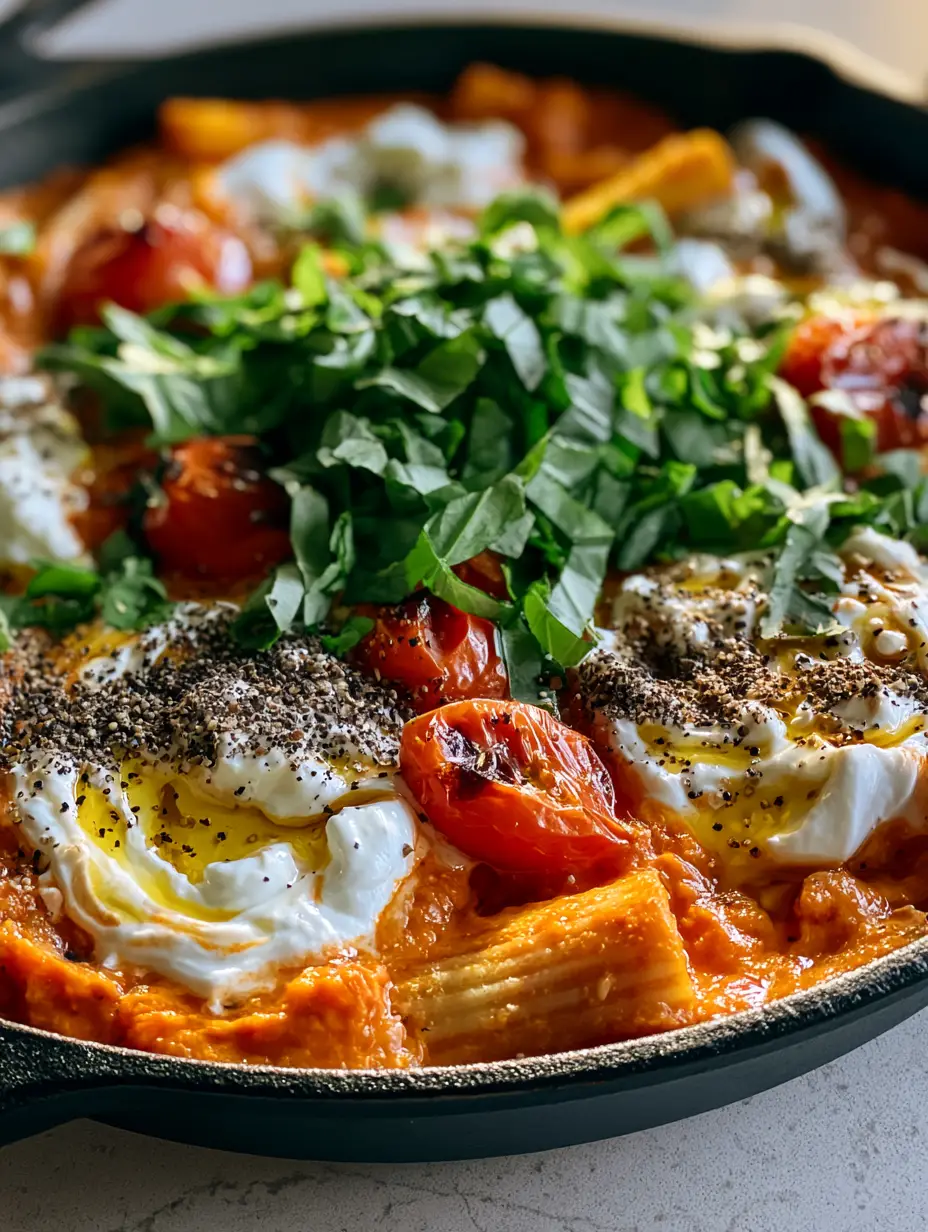
Creamy Tomato Ricotta Pasta with Blistered Tomatoes and Basil
Ingredients
Equipment
Method
- Whisk the ricotta with a pinch of salt and olive oil until it is snowy white and pillowy.
- Sear cherry tomatoes in a hot cast iron skillet until char marks appear and skins burst.
- Sauté aromatics and tomato paste, then stir in crushed tomatoes and cream to create a vibrant orange-red sauce.
- Toss al dente rigatoni in the sauce, then finish with dollops of whipped ricotta, blistered tomatoes, basil, and black pepper.
Notes
Ensure the skillet is very hot before adding tomatoes to get the best char marks.
Closing & Call to Action
This Creamy Tomato Ricotta Pasta is more than just a meal; it is a sensory experience of color, texture, and refined Italian-inspired flavors. The combination of the charred tomatoes and the snowy whipped ricotta creates a visual masterpiece that belongs on every home cook’s table. If you enjoyed this recipe, please leave a comment below and share your photos with us!
Don’t forget to follow Emily_Table on Pinterest for more visual recipe blueprints and culinary inspiration. Pin this recipe to your “Dinner Ideas” board so you always have it on hand!